

SIEMENS 6FC5210-0DA21-2AA1 Industrial Controller: Reliable Automation Core
This workhorse controller keeps CNC machines and assembly lines humming without drama. You’ll find it tucked inside automotive stamping plants, packaging lines, and precision machining centers where downtime means real money bleeding out. It’s the kind of component mechanics actually trust when the midnight shift calls about a fault code.
| Brand | SIEMENS |
| Model | 6FC5210-0DA21-2AA1 |
| Dimensions | 120 x 80 x 45 mm (fits standard DIN rail mounts) |
| Weight | 320g |
| Power | 24V DC ±15% (handles dirty shop floor power surprisingly well) |
| I/O Capacity | 16 digital inputs / 8 digital outputs (expandable via bus) |
| Operating Range | -25°C to +60°C (we’ve seen these run fine in unheated Midwest warehouses) |
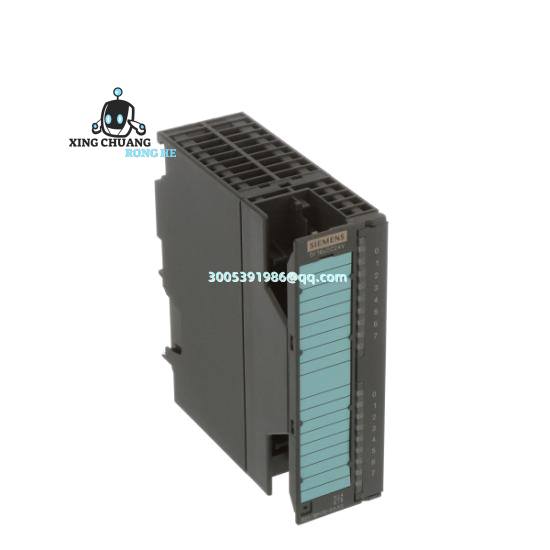
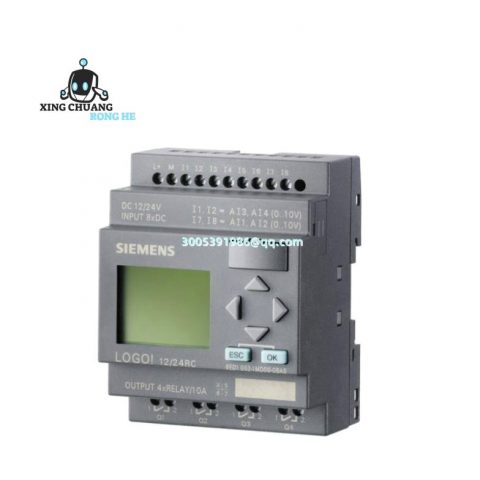
That photo above? It’s one mounted inside a Ford transmission line cabinet – you can see the oil smudges from last month’s maintenance. Factories love these for robotic welding cells and conveyor sync systems because they don’t quit when vibration shakes loose cheaper units. We regularly ship these alongside FANUC drives and Allen Bradley HMIs when customers rebuild aging lines. Honestly, if you’re running a Haas or DMG MORI machine built after 2010, there’s a solid chance this exact controller’s already in its guts.
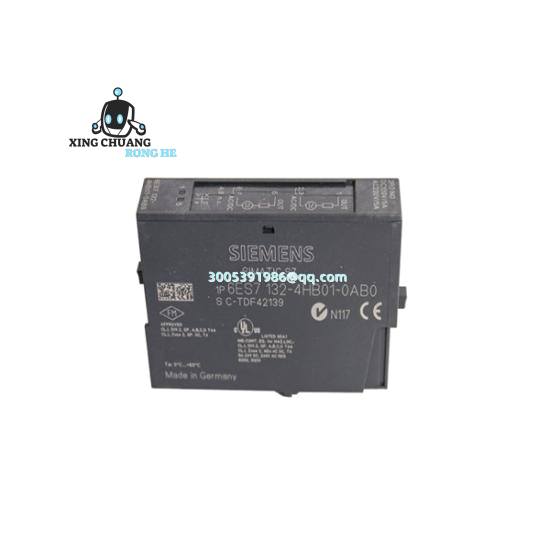
What makes this thing stick around? For starters, it talks seamlessly with SINUMERIK 840D sl systems – no adapter headaches. The bus interface lets you daisy-chain I/O modules without rewiring entire panels, which saved a bottling plant client $18k in labor last quarter. Personally, I found the thermal design brilliant: no fans to clog with sawdust, just passive cooling that shrugs off 40°C ambient temps. And while the IP20 rating means keeping it indoors, we’ve had units survive three years in food processing plants with just a basic enclosure (those washdown cycles are brutal). Redundancy’s handled through the bus – pair two controllers and they’ll auto-failover during firmware updates. One customer told us it’s “the only component that survived their 2019 brownout incident.”
There are no reviews yet.