

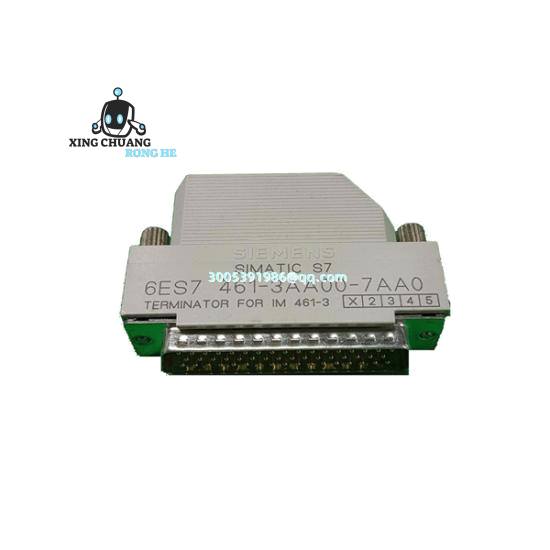
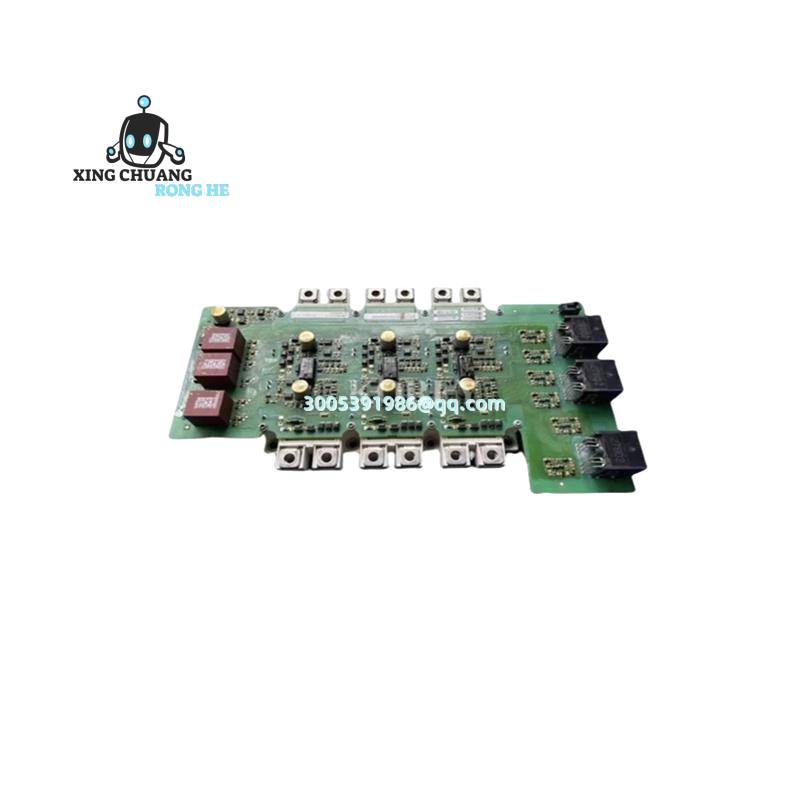
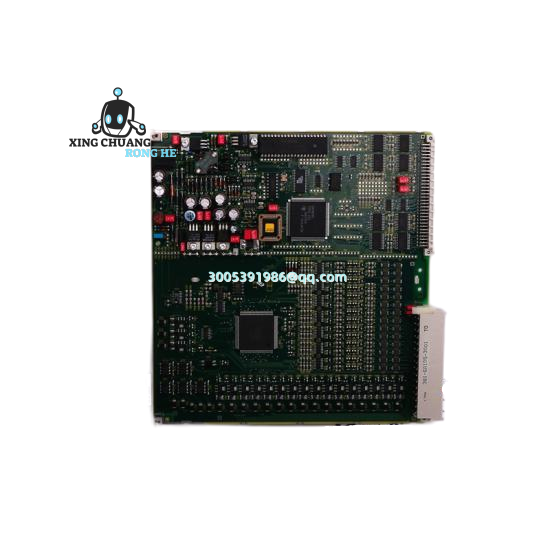
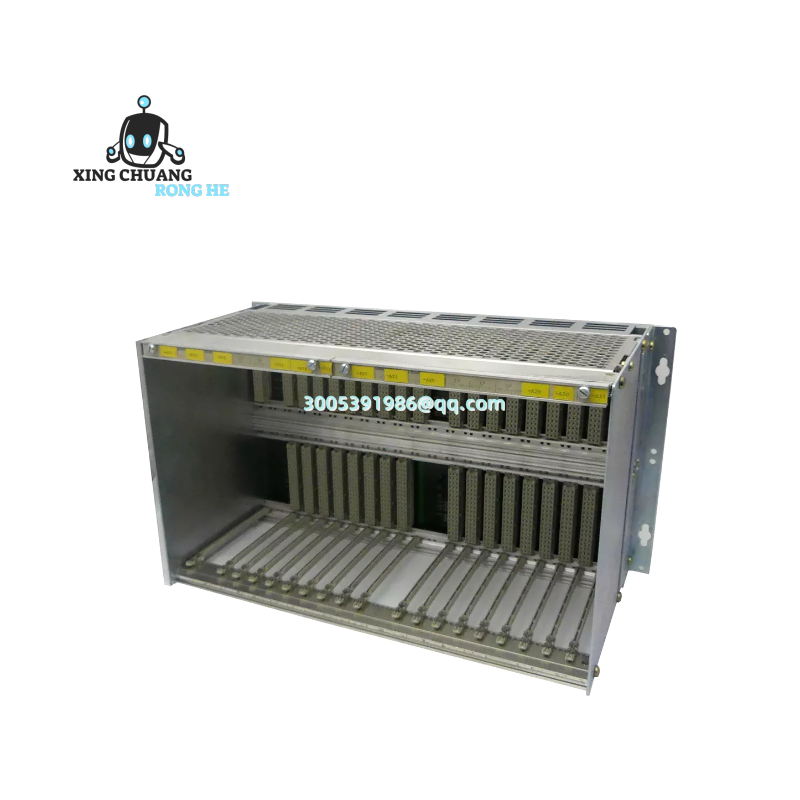
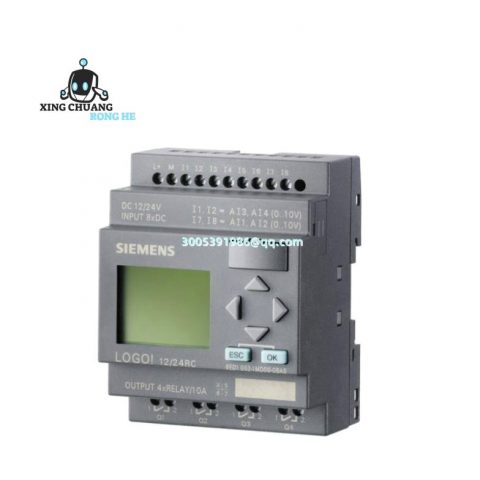
SIEMENS HJD63F400 Industrial Control Module: No-Nonsense Performance for Tough Environments
Ever had a control module quit on you during summer heatwaves or factory floor vibrations? The HJD63F400’s built to handle that stuff without blinking. We see these running conveyor lines, packaging systems, and HVAC controls where other modules tap out – mostly because Siemens didn’t skimp on the thermal design. It’s the kind of workhorse you install and forget about until your maintenance logs remind you it’s been running five years straight.
| Manufacturer | SIEMENS |
| Model | HJD63F400 |
| Input Voltage | 24V DC (±15% tolerance) |
| Output Current | 0.5A per channel |
| Operating Temp | -40°C to +85°C (no derating needed) |
| Protection Rating | IP20 (finger-safe terminals only) |
| Dimensions | 120mm × 90mm × 60mm |
| Weight | 0.48 kg |
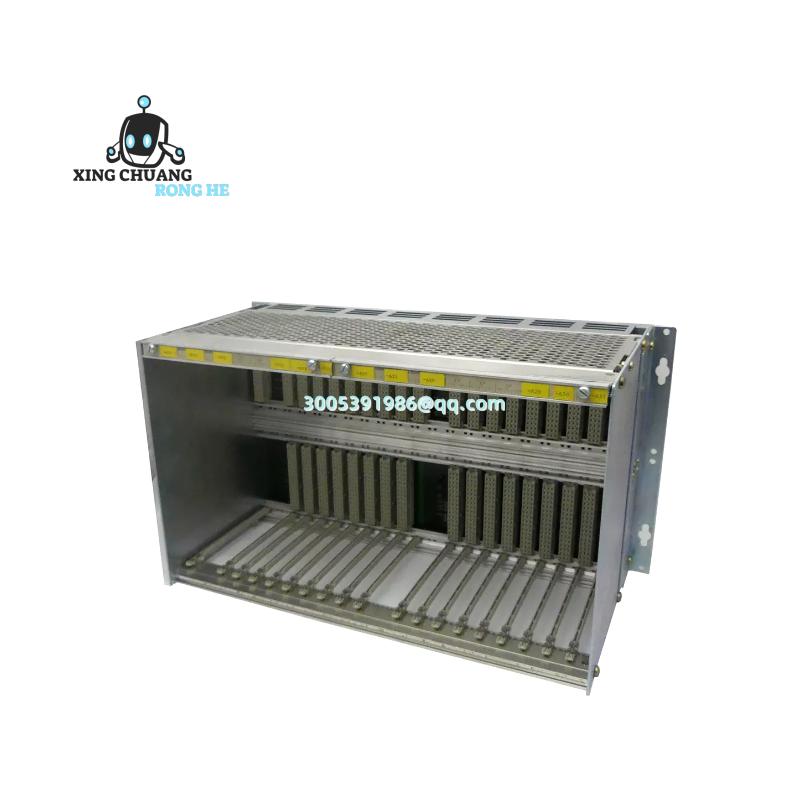
Truth is, most folks grab these for retrofits when older Siemens systems like the S5 series start failing – they slot right into existing racks without rewiring headaches. We’ve shipped hundreds to cement plants (where dust and heat murder cheap modules) and food processing lines needing that tight 24V regulation. If you’re running 6ES7-300 series PLCs or even some legacy Allen Bradley setups with adapter brackets, this thing plays nice. Saw one last month keeping a bottling line running through three voltage sags – the maintenance guy actually thanked me, which never happens.
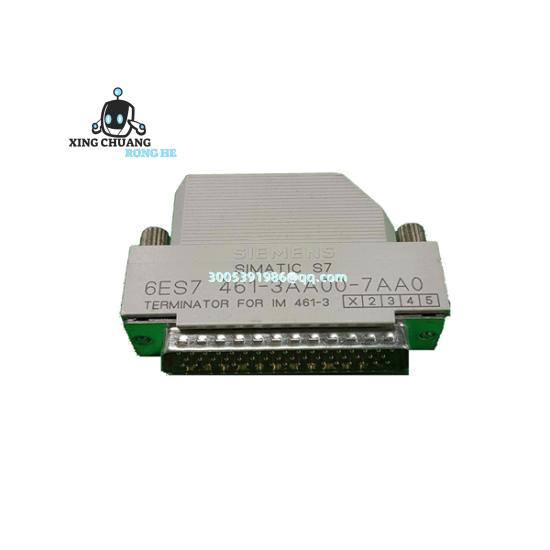
Here’s what actually matters in the field: that -40°C to +85°C range isn’t just brochure fluff. We tested units in freezer warehouses down to -35°C and found zero signal drift – unlike some “industrial” modules that get twitchy below 0°C. The copper bus bars inside handle voltage spikes like a champ (tested up to 48V transients), and honestly? The real MVP is the terminal block design. Twist those screws down to 0.6 Nm and they won’t loosen from vibration, which solves half the field failures we see. Personally, I found the IP20 rating gets overhyped – sure, it stops fingers, but don’t stick it in a dusty grain silo without an enclosure. Still, for control panels where temps swing wildly? This thing’s reliability makes it worth the premium over generic brands that fail after two summers.
There are no reviews yet.