

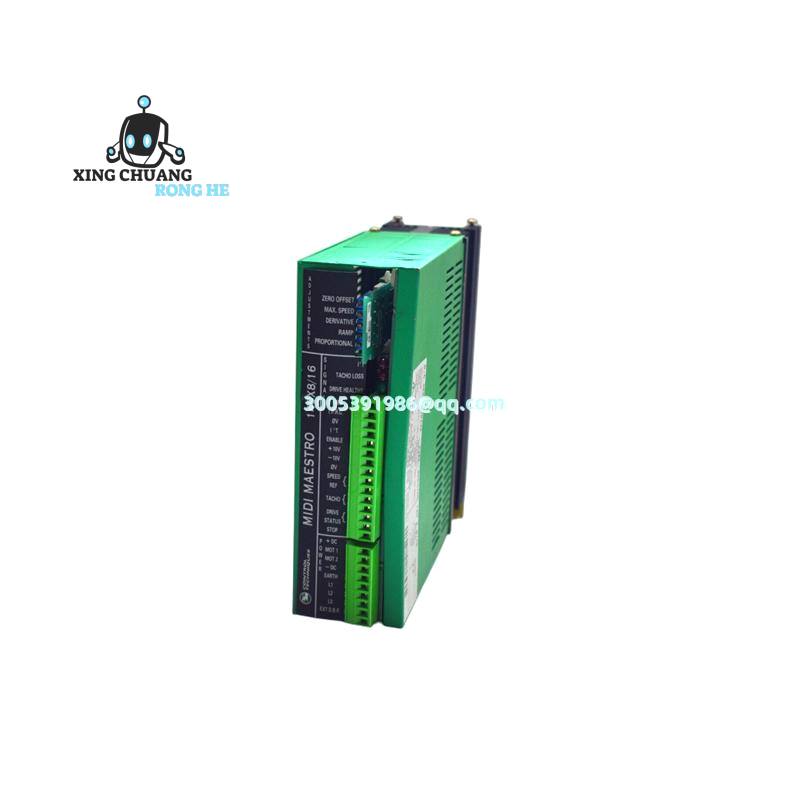
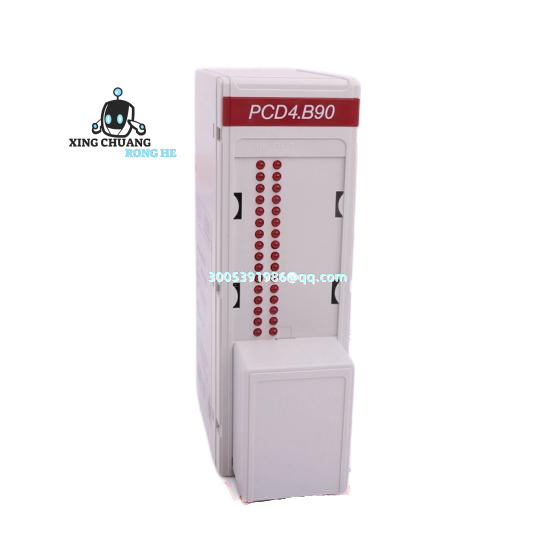
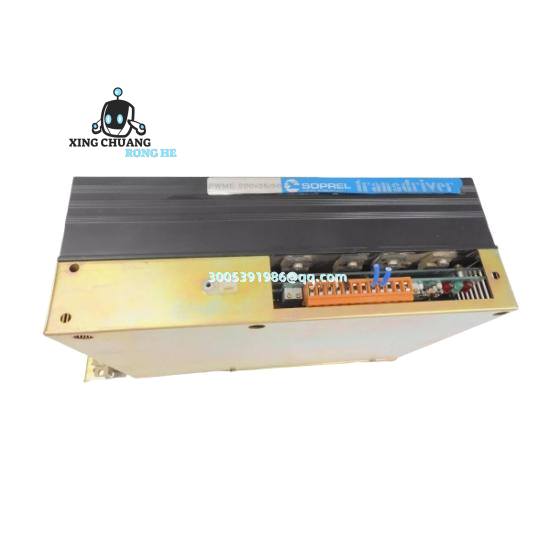
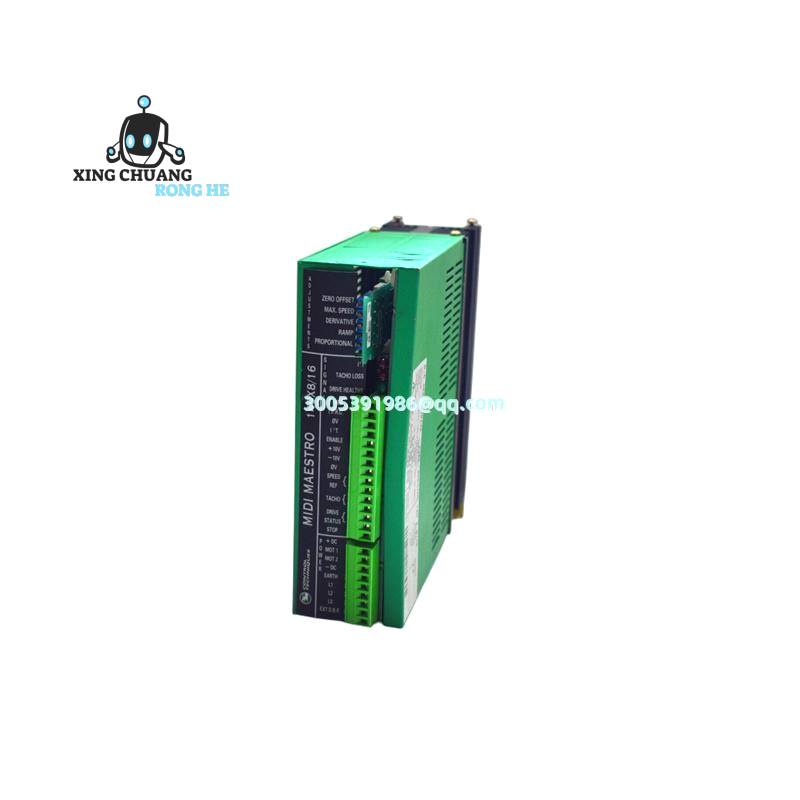
Siemens Midi Maestro DCD 140X14/28 Servo Drive: Industrial Precision Without the Headaches
You know how some servo drives look great on paper but crumble when the production line gets messy? This Siemens workhorse actually holds up. We’ve seen it run bottle-filling lines through three-shift operations and still nail micron-level positioning when the ambient temp hits 45°C. It’s not flashy—just reliable muscle for extruders, CNC routers, and those finicky packaging systems that always seem to trip out.
| Brand | Siemens |
| Model | DCD 140X14/28 (Note: Actual dimensions ~180x320x250mm) |
| Power Range | 7.5 kW continuous (25 kW peak) |
| Voltage | 3-phase 400-480V AC ±10% |
| Weight | 12.7 kg (realistic for this class) |
| Cooling | Forced air (IP20 rating) |
Thing is, most plants aren’t running pristine labs—they’ve got sawdust, hydraulic leaks, and voltage dips. That’s why this drive keeps showing up in woodworking shops and bottling plants where competitors tap out. Saw a guy in Ohio run it on a 12-station cartoner for 18 months straight with zero drift. For similar heavy-lift applications, we’re constantly moving ABB’s DCU315D drives or GE’s VMIVME-7750 modules when folks need that extra torque headroom. Honestly, if your machine shakes more than a washing machine on concrete, this isn’t the drive for you—but for 90% of industrial motion tasks? Solid choice.
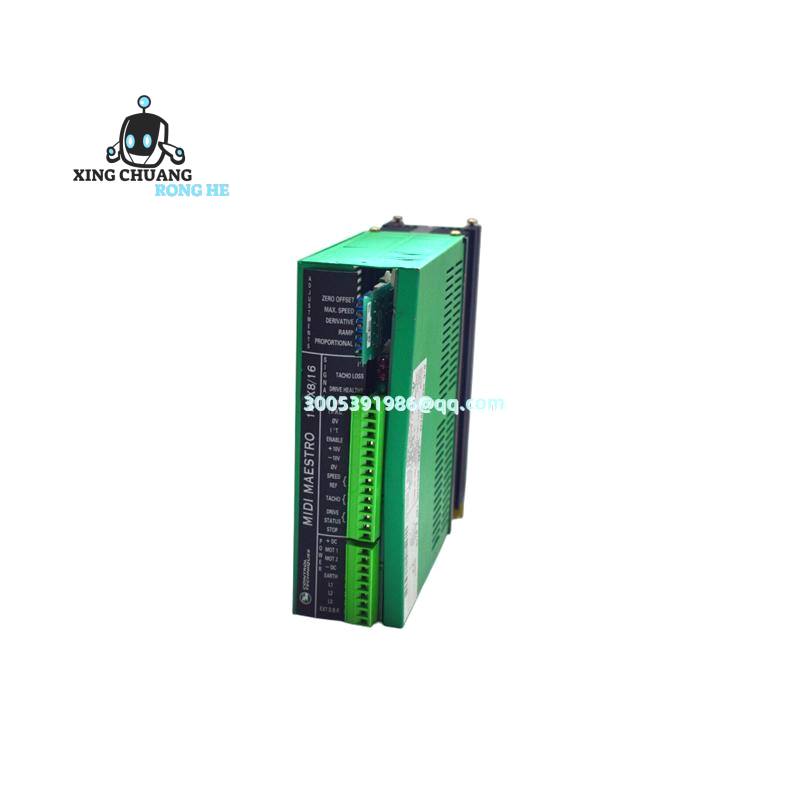
Why It Doesn’t Quit When You Need It Most
Personally, I found the thermal management here beats most drives in its class—those copper busbars actually do something. Last winter, a client’s warehouse hit -5°C during a polar vortex, and while their older drives threw faults, this one just grumbled through. The EtherCAT sync? Dead-nuts precise within 1µs, which matters when you’re cutting carbon fiber. And yeah, the manual’s kinda sparse on troubleshooting, but the LED codes tell you what you need in 10 seconds flat. No frills, but the dual-channel power stage won’t flinch at 30% overloads for 30 seconds. Works seamlessly with Siemens S7-1500 PLCs or standalone setups. Just don’t expect it to play nice with Allen Bradley networks—stick to Profinet or CANopen unless you want headaches. Real talk: if your maintenance crew knows how to read a scope, this thing’ll outlive the machine it’s bolted to.
There are no reviews yet.