

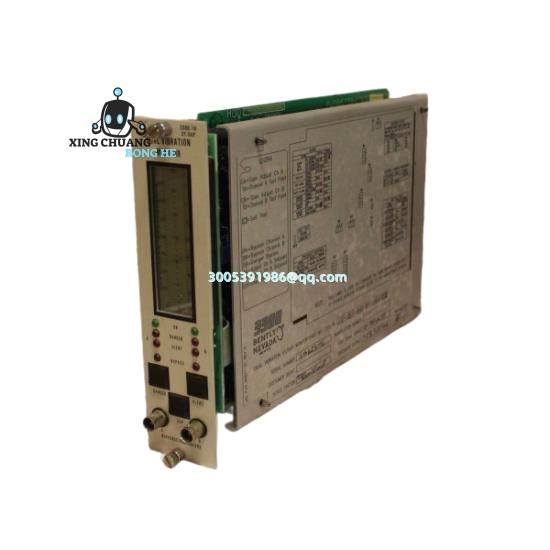
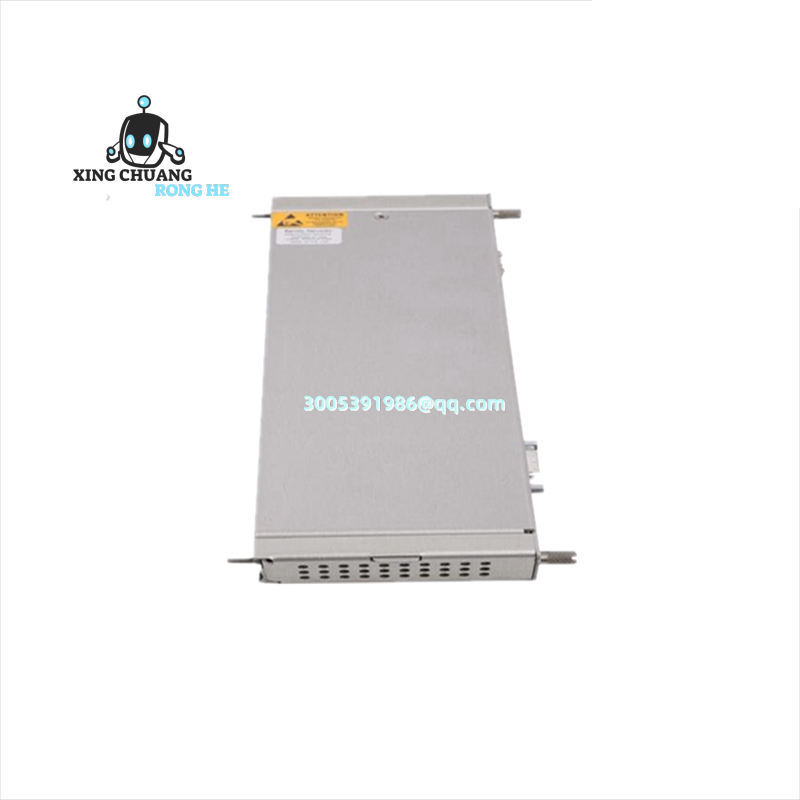
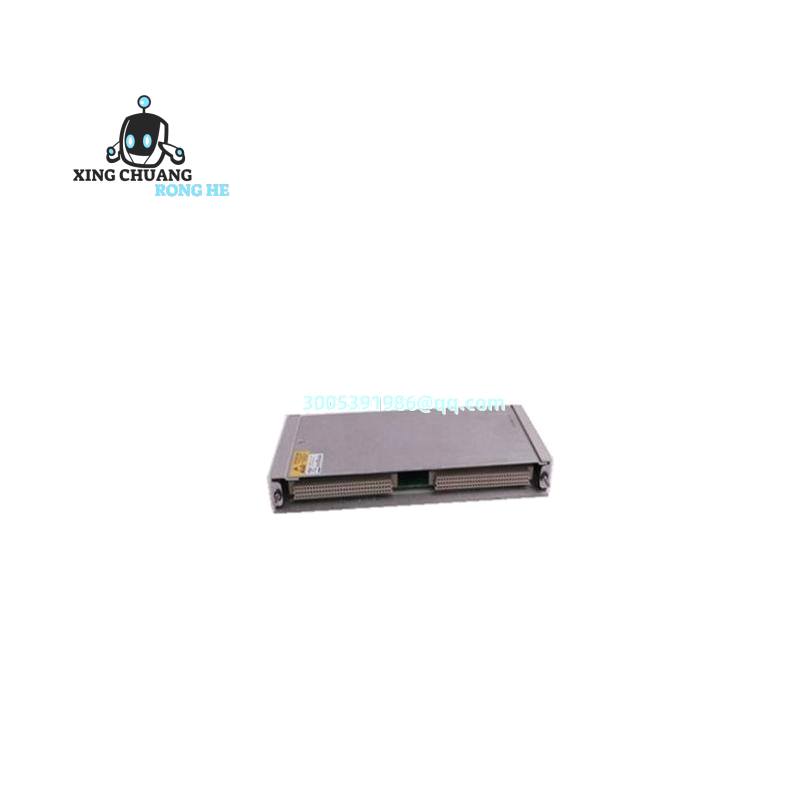
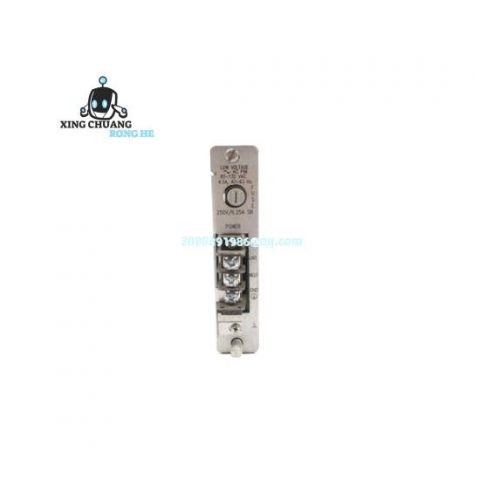
BENTLY 131151-01 Industrial Vibration Sensor for Critical Machinery Monitoring
This little workhorse keeps turbines, compressors, and pumps from tearing themselves apart. The 131151-01 gives you rock-solid vibration velocity readings when you absolutely can’t afford missed alarms – think power plants running at full tilt or offshore rigs getting hammered by waves. You’ll spot bearing wear or misalignment long before things go bang.
| Brand | Bently Nevada |
| Model | 131151-01 |
| Output Type | 4-20mA analog (isolated) |
| Frequency Range | 10 Hz to 1,000 Hz (-3dB) |
| Temp Range | -40°C to +125°C (probe) |
| Weight | 280g (with 5m cable) |
| Certifications | ATEX Zone 1, IECEx, CSA |
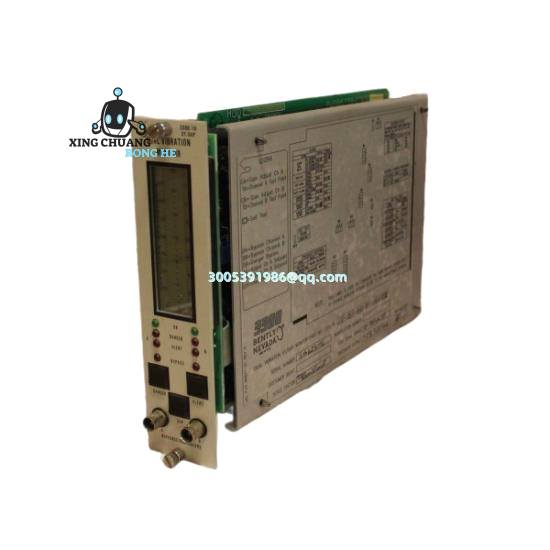
We see these everywhere – steel mills running blast furnaces, LNG terminals with cryogenic pumps, even those crazy-high-speed centrifuges in pharma plants. Had one customer in Texas swear by them for monitoring steam turbines after their old sensors kept failing during summer heatwaves. If you’re running 3500/44M systems or legacy 3300 setups, you’ll pair this with probes like 330104-50-00-05 or 330750-50-05. Don’t forget the matching前置器 – 3500/42M or 330130-50-00 usually does the trick. Funny thing is, some plants still use these on 20-year-old machinery because the analog output just… never quits.
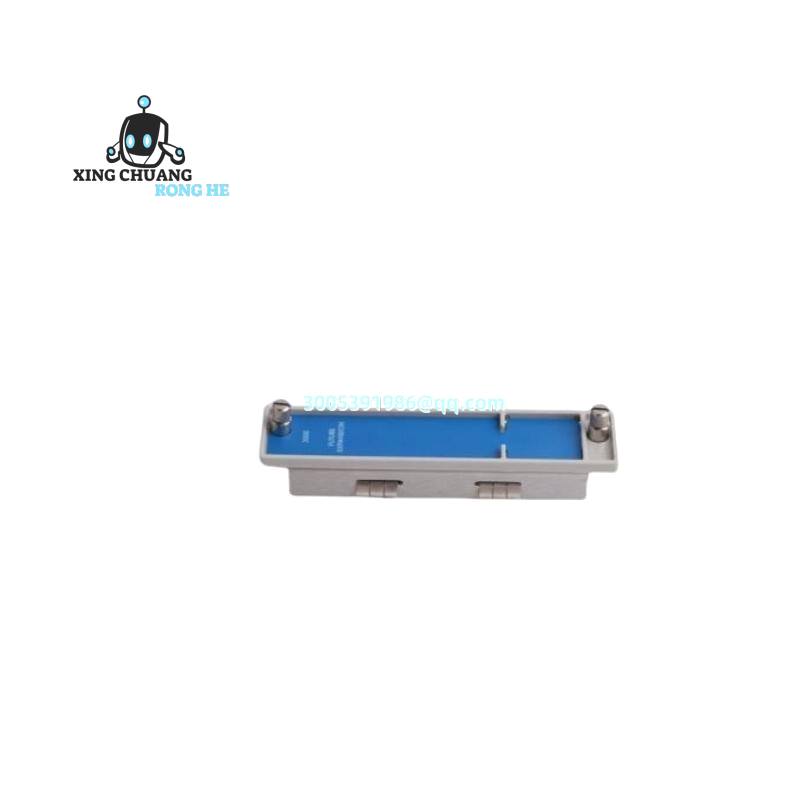
What makes this thing special? Honestly, it’s the no-nonsense reliability. That isolated 4-20mA output won’t get corrupted when your plant’s electrical noise goes wild – seen it happen with fancy digital sensors during arc furnace operations. The hermetically sealed case laughs at condensation in offshore environments, and you can trust the readings even when ambient temps swing from freezing nights to 50°C deck heat. Personally, I’ve found the real magic in how it plays with older Bently systems; plug it into a 3500 rack and you get immediate compatibility without firmware headaches. One refinery tech told me they’ve had units running for 8 years straight with zero calibration drift – that’s the kind of durability you pay for. Oh, and the magnetic mounting? Solid as hell even on vibrating surfaces, though I’d still recommend stud mounting for critical apps.
There are no reviews yet.