

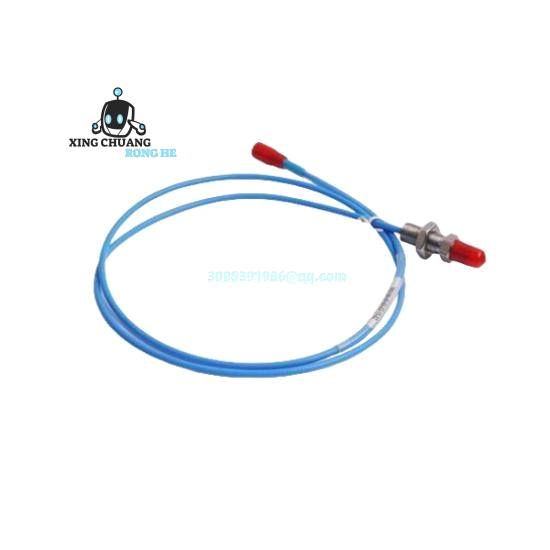
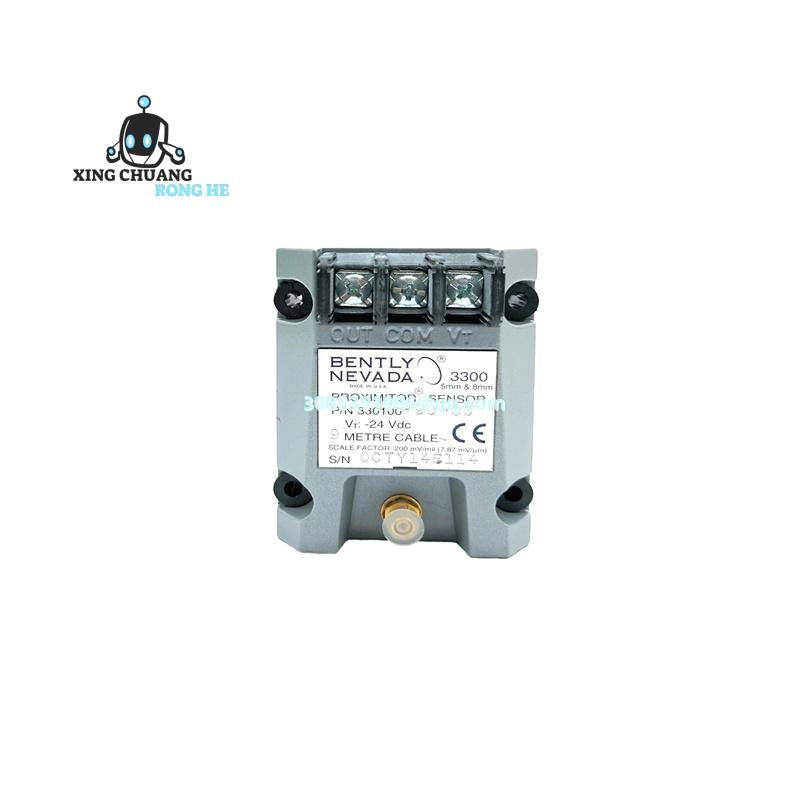
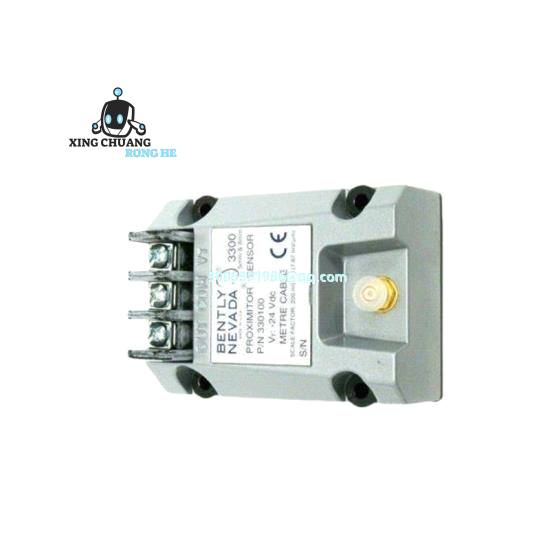
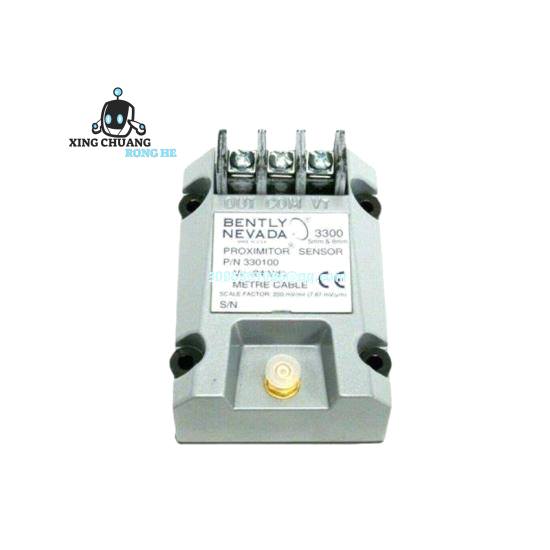
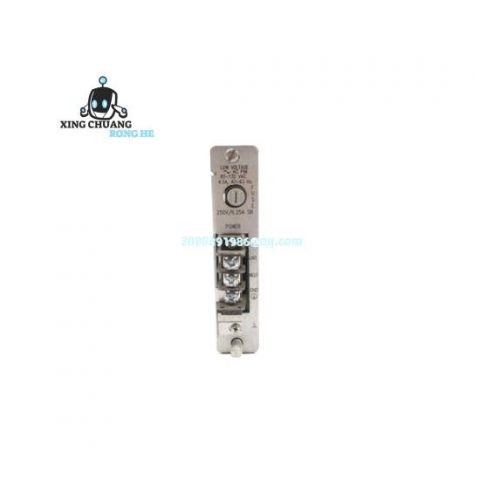
BENTLY 330100-90-00 Vibration Monitoring Module: Precision Engineered for Critical Assets
When your turbine or compressor starts humming off-key, this little workhorse catches it before things go sideways. The 330100-90-00 sits right on your machinery train, sniffing out vibration anomalies in real-time so you can swap bearings during lunch instead of scrambling at 3AM. Factories running continuous processes—think paper mills, refineries, or power plants—rely on it to keep rotating equipment humming smoothly without unplanned shutdowns.
| Brand | Bently Nevada (Baker Hughes) |
| Model | 330100-90-00 |
| Operating Voltage | 18-30V DC (typical 24V) |
| Frequency Range | 0.5 Hz to 10 kHz |
| Certifications | ATEX Zone 1, IECEx, UL Class I Div 2 |
| Dimensions | 120 x 70 x 45 mm (DIN rail mount) |
| Weight | 0.35 kg |
You’ll find these modules deep inside critical systems—like monitoring steam turbine casings in LNG plants or catching imbalance in refinery compressors before seals blow. Last month, a customer in Texas used three of these on their ethylene compressor train after a false alarm from their old system cost $220k in downtime. Funny thing is, they’d been running for two years with a loose terminal block; this module flagged the harmonic distortion right away. We handle the whole 3300 family—330100-50-00 for axial position, 330180-50-00 for dual-channel setups, even the tough-as-nails 330700 series for high-temp zones.
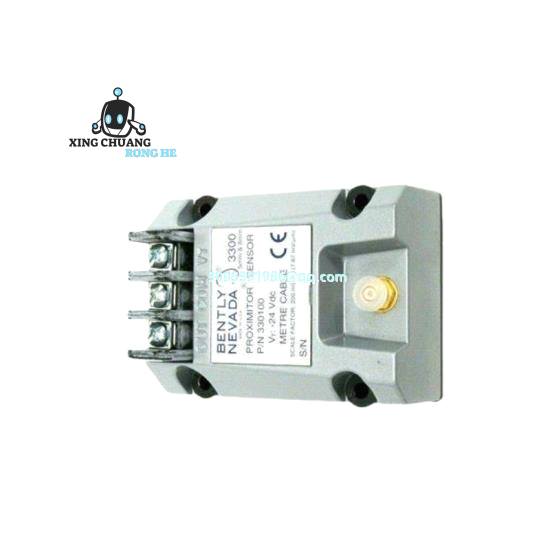
What really sets this apart? The analog front-end doesn’t lie. Those piezo crystals inside handle 200g shocks without flinching—saw one survive a 5.2 Richter tremor near an offshore platform. Unlike cheaper modules, it outputs true peak-to-peak velocity (not just RMS) so you catch early-stage bearing wear. Works straight into 3500 racks or standalone with 4-20mA loops, and the dual-channel models let you cross-check readings when ambient noise gets messy. Personally, I’ve seen plants skip annual calibrations because the drift stays under 0.5% for five years. Oh, and that ATEX rating? It’s not just paperwork—keeps ticking when hydrogen leaks hit 40% LEL. No fancy “smart diagnostics,” just bulletproof vibration data when your process can’t afford guesses.
There are no reviews yet.