

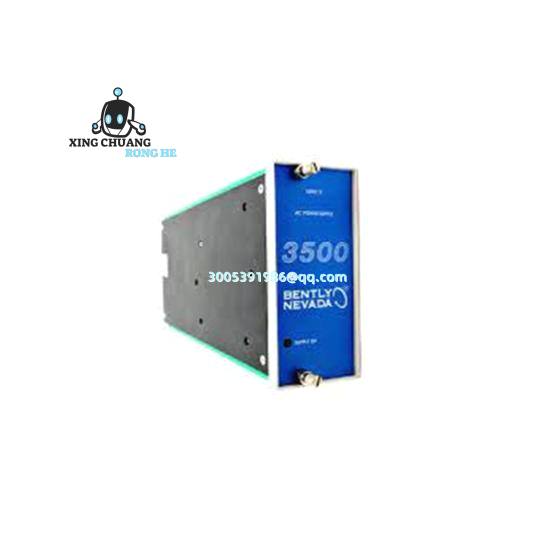
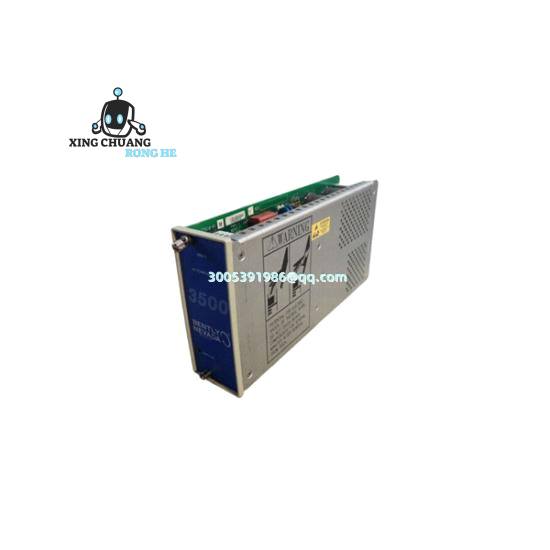
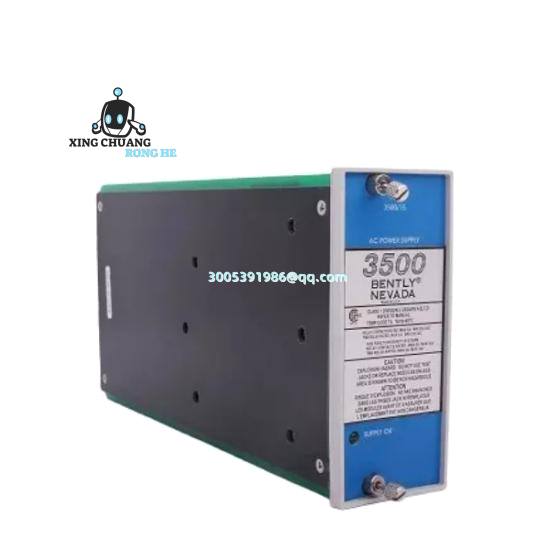
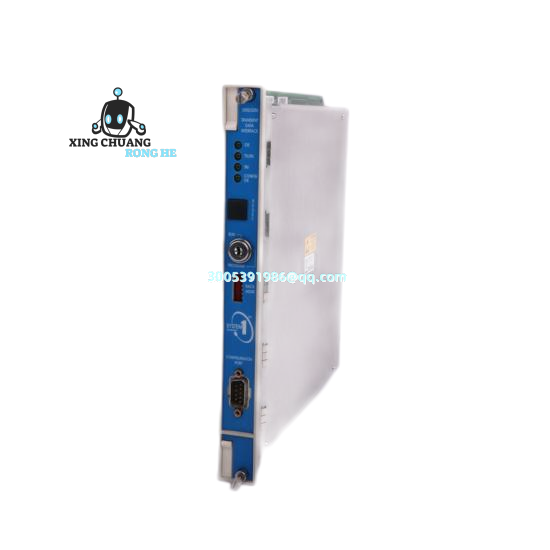
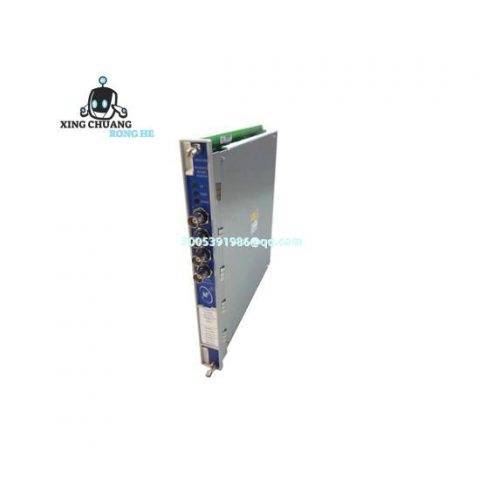
BENTLY 3500/15 High-Precision Vibration Monitoring Module: Keeping Critical Machinery Alive
This module’s the workhorse you actually rely on when that big compressor starts humming funny. Forget theoretical specs—it’s what catches bearing wear in steam turbines before they turn into expensive paperweights. We’ve seen it prevent shutdowns in LNG plants where one missed vibration spike could mean days of lost production. Not flashy, but damn reliable when your rotating equipment’s on the line.
| Attribute | Value |
| Brand | Bently Nevada (now Baker Hughes) |
| Form Factor | 3500 Rack Module (Dual-Channel) |
| Input Voltage | 24 VDC nominal (18-30V range) |
| Key Certifications | ATEX, IECEx, ce (hazardous areas) |
| Physical Size | 8.75″ H x 5.25″ W x 19″ D (222 x 133 x 483 mm) |
| Weight | Approx. 4.8 lbs (2.2 kg) |
| Core Function | Real-time vibration severity monitoring with 4-20mA outputs |
You’ll find these tucked into 3500 systems everywhere—offshore platforms watching gas compressors, chemical plants guarding critical pumps, even paper mills where roller vibration spells disaster. We handle the whole ecosystem: 3500/44M rack monitors, 3500/22M displacement units, and those trusty 3300 proximitor probes feeding data into them. Last month a refinery in Texas pulled three 3500/15s out of spares inventory after a lightning strike; got their crude unit back online in 8 hours flat. That’s the reality—these aren’t shelf queens.
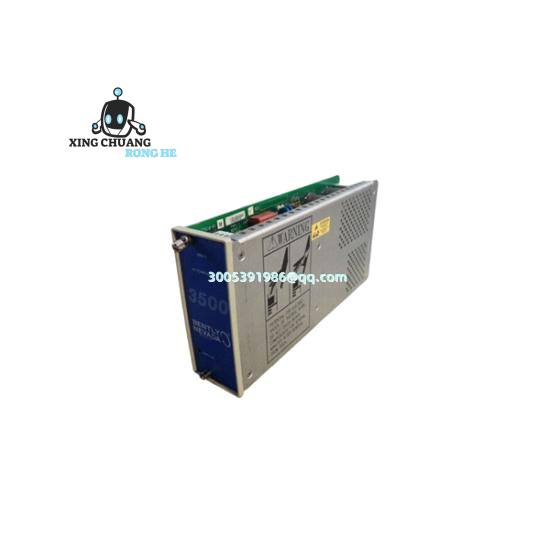
Why It Actually Works When You Need It
Look, vibration monitors either work or they don’t—no middle ground. The 3500/15’s trick is its analog front-end; it doesn’t just digitize signals and call it a day. Those dual channels run independent signal conditioning, so if one channel glitches during a steam blowdown (which happens, trust me), the other keeps feeding valid data to your DCS. Personally, I’ve seen it catch subsynchronous vibration in centrifugal compressors that cheaper systems wrote off as noise. And the redundancy? Solid. Hot-swappable without killing the whole rack—critical when you can’t afford to trip a turbine for “routine maintenance.”
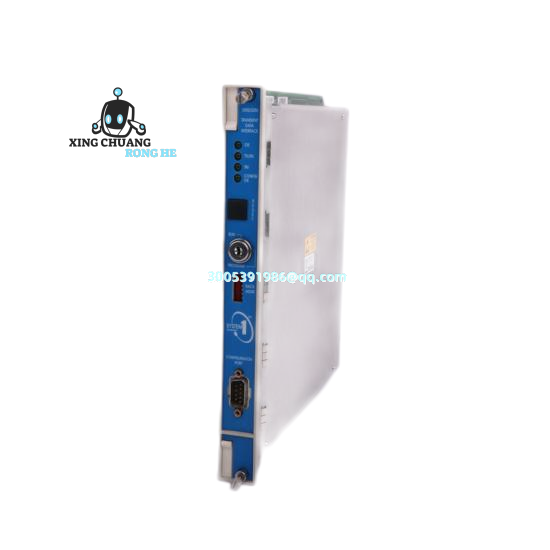
Compatibility’s straightforward—you plug it into any 3500 rack (3500/20M, 3500/42M, etc.), and it talks to Emerson DeltaV or Honeywell Experion via standard 4-20mA. No weird protocols. The aluminum housing shrugs off EMI in switchgear rooms, and the thermal design? Actually decent—saw one run at 65°C ambient for 18 months straight in a Middle East desal plant. Yeah, it costs more than generic monitors, but when your $2M turbine’s vibrating… well, you’ll thank us later.
There are no reviews yet.