

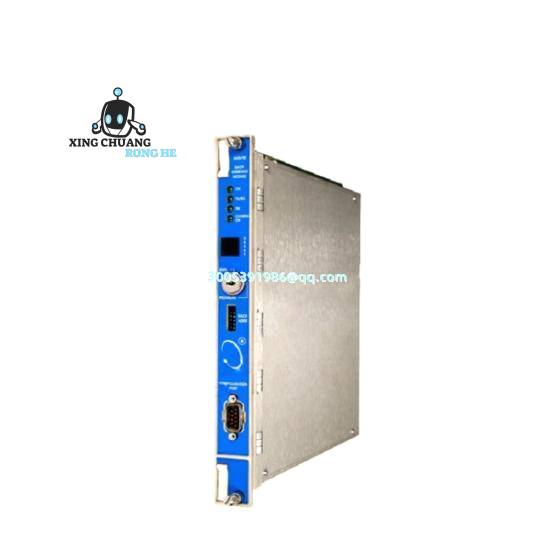
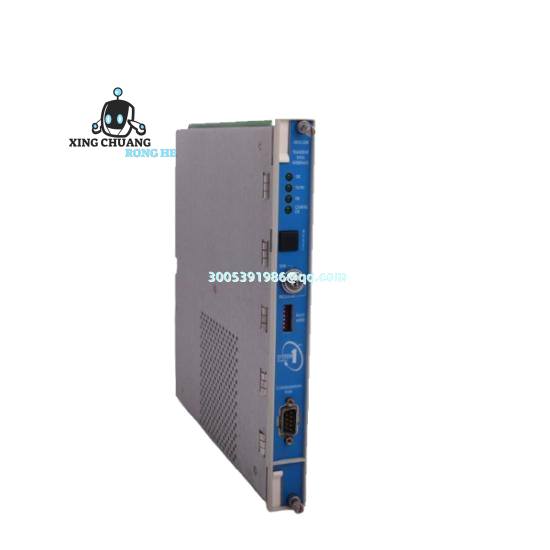
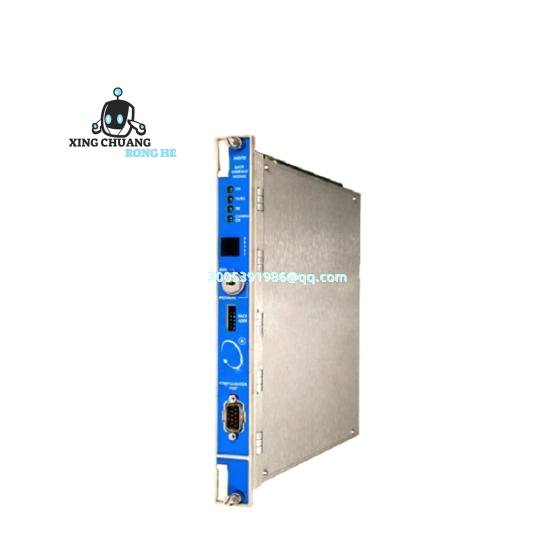
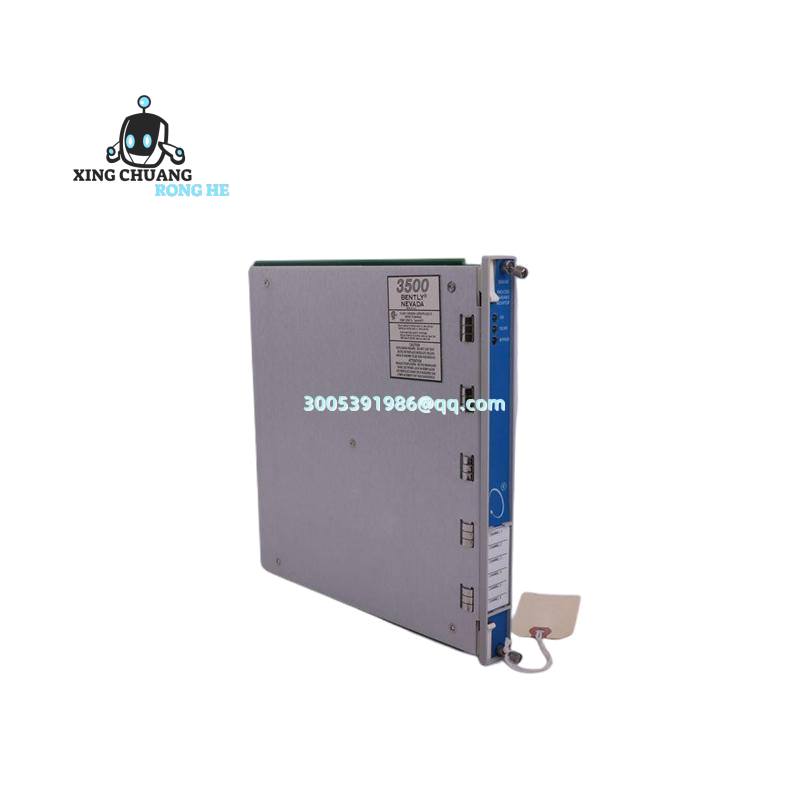
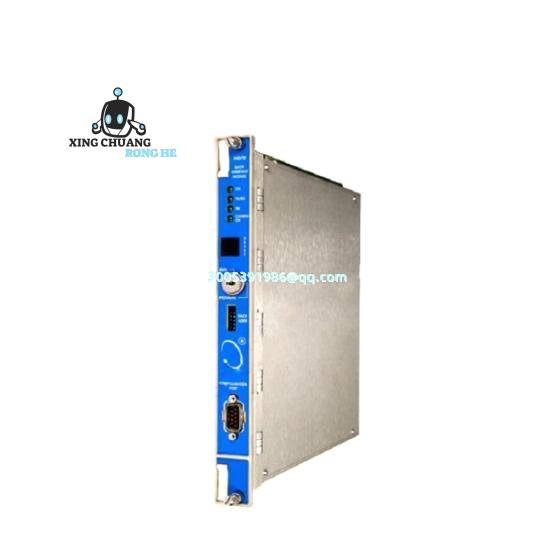
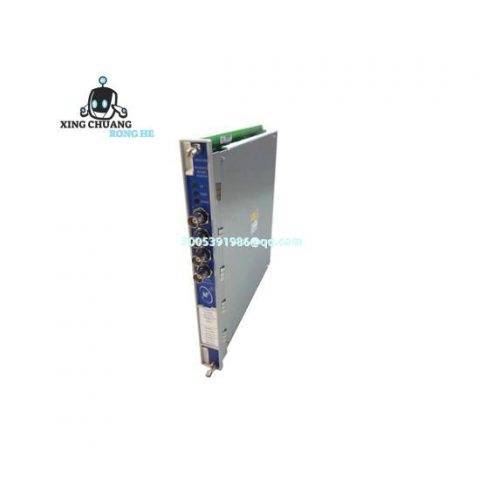
BENTLY 3500/20 125744-02 Control Module: Precision Monitoring for Critical Machinery
This thing’s the backbone of vibration monitoring systems in heavy industry—think turbines, compressors, and big rotating gear where failure means millions down the drain. The 3500/20 handles real-time shaft vibration, bearing temps, and axial position with scary accuracy. Honestly, I’ve seen plants run this module non-stop for 15 years straight in Gulf Coast refineries, salt air and all. It’s not flashy, but when your generator’s spinning at 3,600 RPM, you want something that just… works.
| Specification | Details |
|---|---|
| Brand | Bently Nevada (Baker Hughes) |
| Model Series | 3500/20 (Dual-Channel Monitor) |
| Input Voltage | 24 VDC (not 220V—common field mistake!) |
| Signal Bandwidth | 5 Hz to 10 kHz |
| Certifications | ATEX, IECEx, FM, CE (hazardous areas covered) |
| Dimensions | 165 x 100 x 145 mm (DIN rail mount) |
| Weight | 1.2 kg |
You’ll spot these guarding turbines in LNG plants or paper mills—anywhere you can’t afford unexpected shutdowns. Last month, a client in Alberta swapped out old 3300 systems for these 3500/20 modules after a bearing seizure cost them $2M in downtime. We handle all the common field variants: 3500/44M for overspeed, 3500/25M for valve position, even the 3500/92 rack interface cards. Funny enough, the 125744-02 gets misordered constantly—we keep extra stock because plants panic when their legacy units blink red.
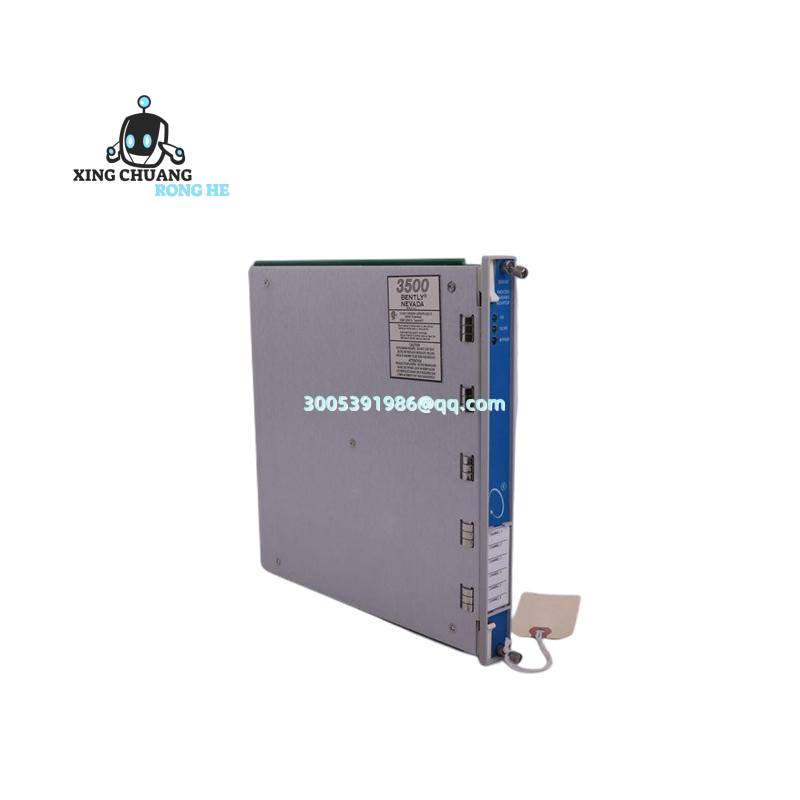
Why It Holds Up When Everything Else Fails
The magic’s in the redundancy—dual processors cross-checking each other so if one glitches during a voltage spike (looking at you, Texas summer storms), the other keeps monitoring. It talks seamlessly with DCS systems like Emerson DeltaV or Yokogawa Centum VP using Modbus or Ethernet/IP. Personally, I found the built-in relay outputs save engineers headaches during retrofits; just wire them straight to emergency shutdown valves. Oh, and that IP65 rating? Crucial when dust coats everything in cement plants. One guy in Ohio emailed us saying his unit survived a flood in the control room—just dried it out, and it booted right back up. Not bad for something that’s basically been the industry workhorse since the 90s.
There are no reviews yet.