

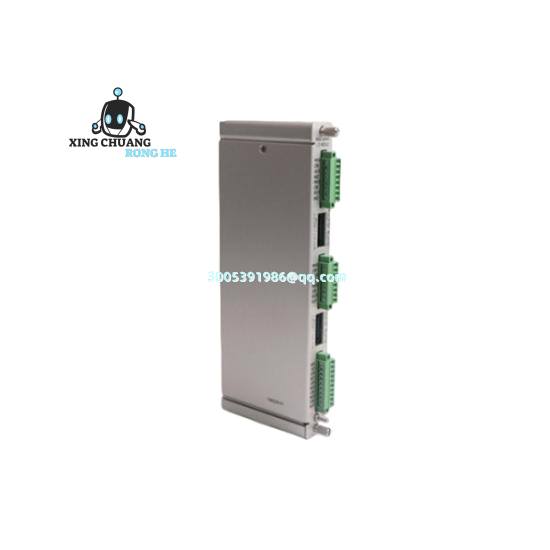
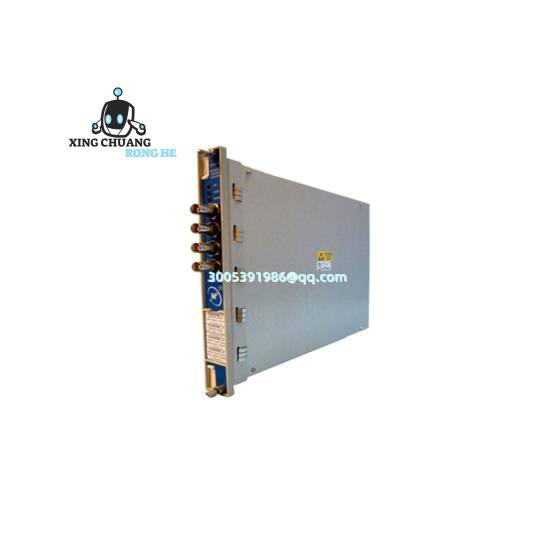
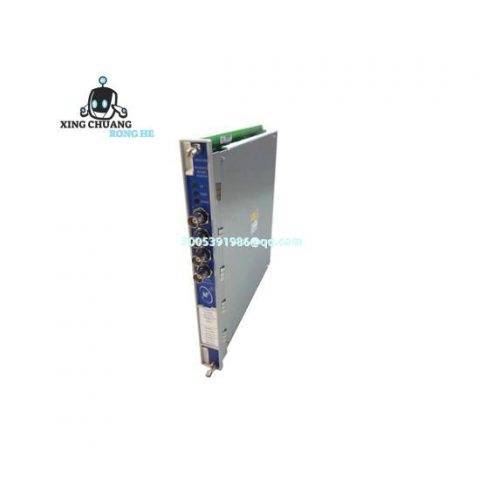
BENTLY 3500/42M 135489-01 Small Card: Your Vibration Monitoring Workhorse
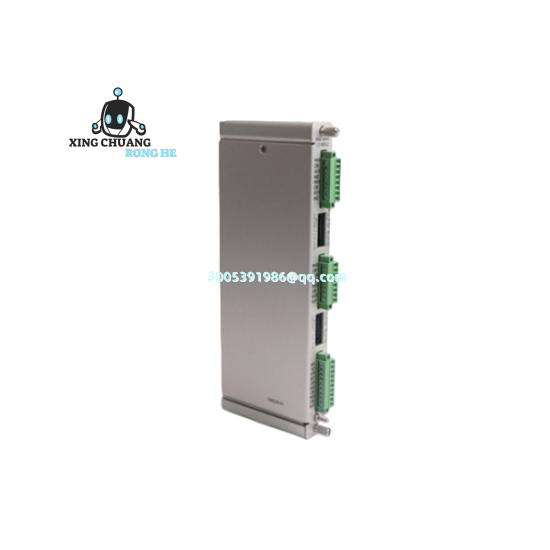
You’ll find this little guy tucked into control racks at refineries and power plants worldwide—it’s the vibration monitoring card that keeps turbines and compressors from shaking themselves apart. The 3500/42M handles dual-channel proximity probe signals, turning raw sensor data into actionable alerts before a wobble becomes a costly breakdown. Honestly, it’s the kind of component you don’t notice until it’s missing… and trust me, you’ll notice then.
| Brand | Bently Nevada (now Baker Hughes) |
| Model | 3500/42M |
| Part Number | 135489-01 |
| Voltage | 24 VDC (±10%) |
| Frequency Range | 0-10 kHz (typical) |
| Weight | 0.48 kg (about 1.06 lbs) |
| Dimensions | 70 x 133 x 133 mm (W x H x D) |
| Certifications | CE, UL, ATEX Zone 1/21 |
We see these deployed everywhere from LNG compressor stations to paper mill rollers—places where a bearing failure could mean days of downtime. Last month a client in Alberta pulled one from a failed rack during a midnight emergency; swapped in our replacement and had the turbine back online before shift change. Alongside the 3500/42M, we routinely handle other 3500 series essentials: the 3500/22M monitor for axial position, 3500/32M for overspeed protection, and those rugged 3500/92 rack interface modules everyone swears by. Funny how the simplest cards like this 42M often outlast three generations of fancy software.
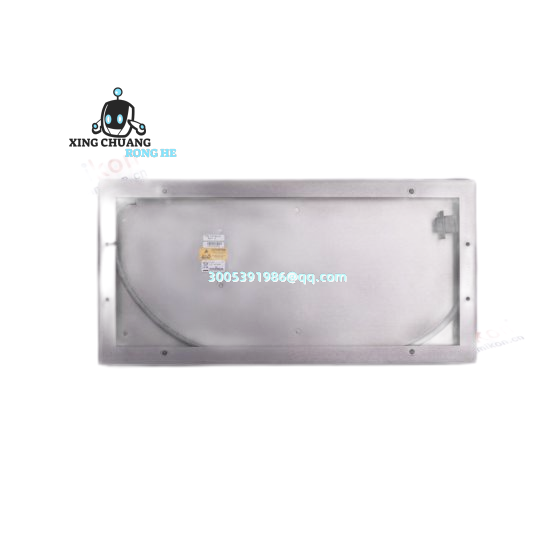
What makes this thing stick around? First, it talks properly with legacy systems—plug it into a 1990s-era 3300 rack or a shiny new 3500 frame and it just works. The dual-channel design means you’re not cross-wiring probes during installation (a real headache we’ve seen too often). Personally, I’ve watched these run for 15+ years in chemical plants with 100% uptime—partly because Bently builds them with industrial-grade components that laugh at voltage spikes. The ATEX certification isn’t just paperwork either; we’ve had clients in offshore rigs where this card kept monitoring running during a lightning strike that fried everything else in the control room. Oh, and that solid metal housing? Makes it survive being dropped on concrete floors—which, let’s be honest, happens more than manuals admit.
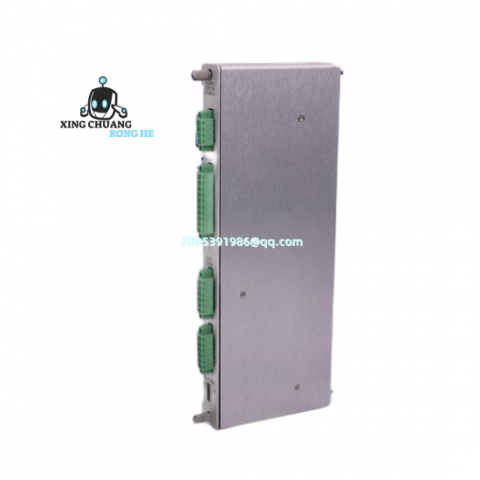
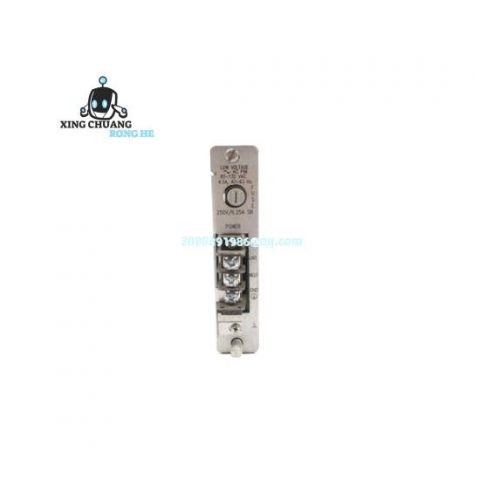
There are no reviews yet.