

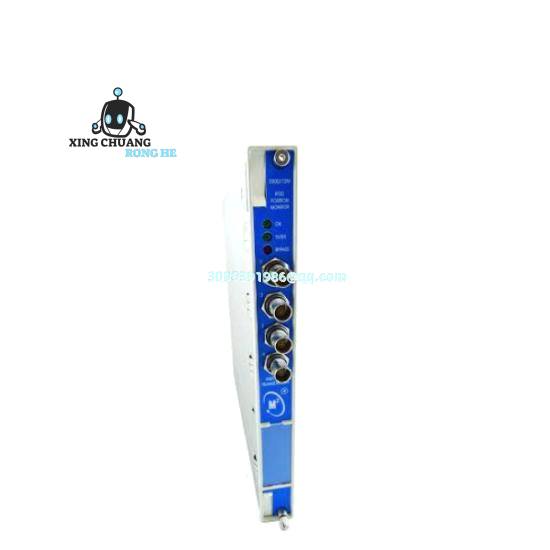
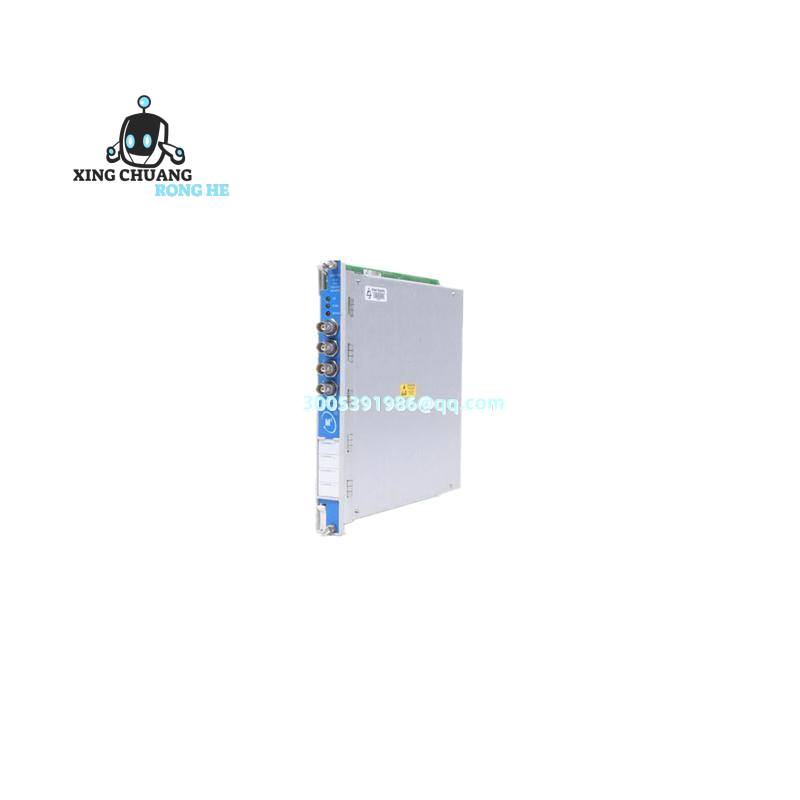
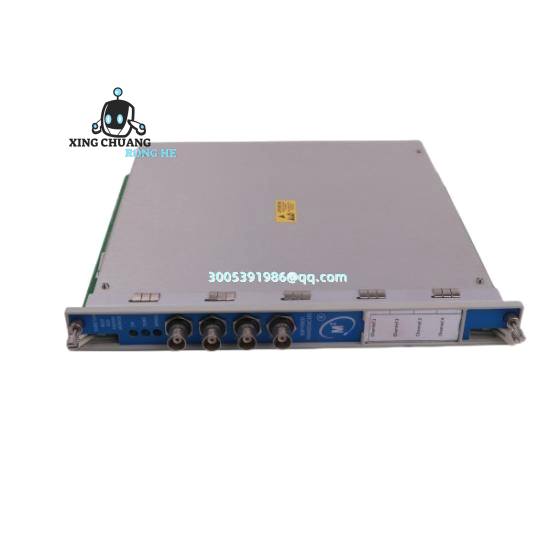
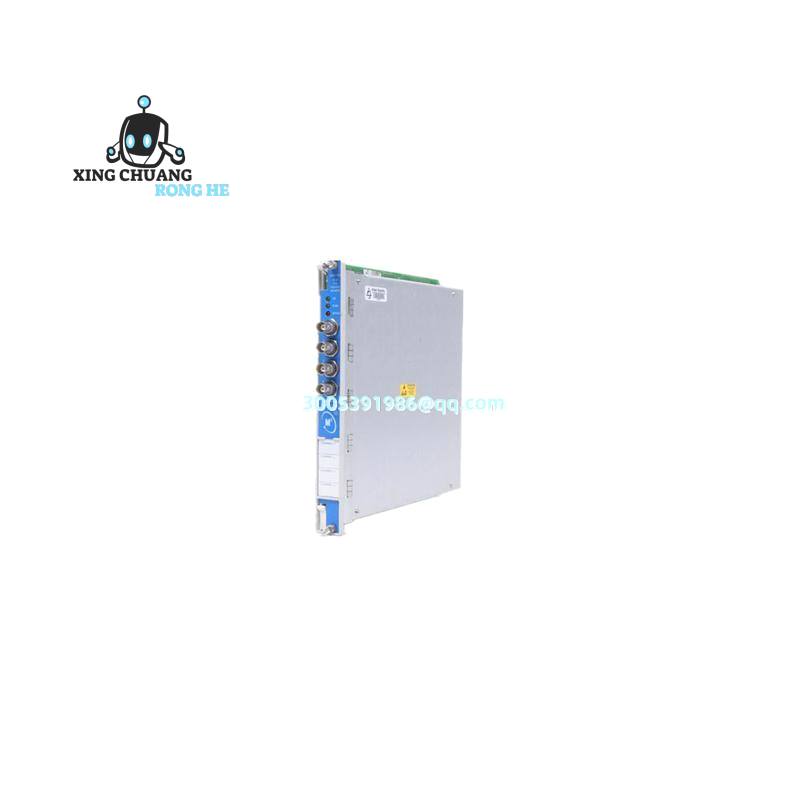
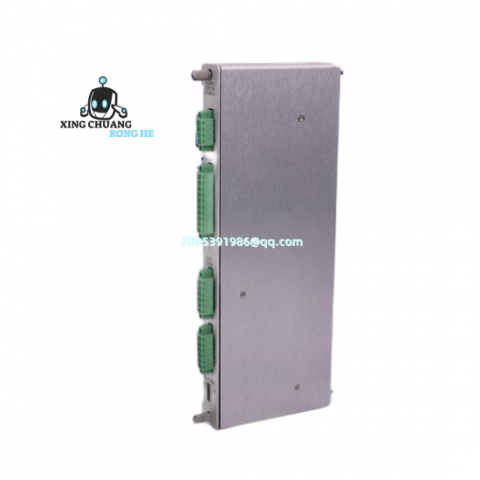
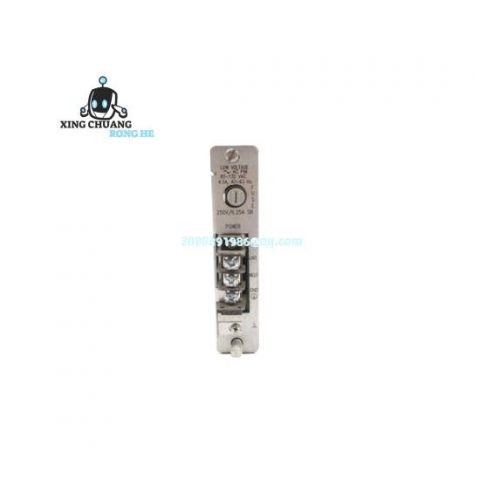
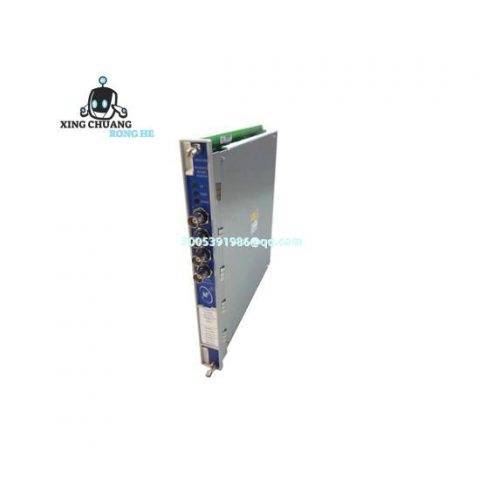
BENTLY 3500/72M – Your Machine’s Early Warning System
This little workhorse sits right in your control cabinet keeping tabs on critical machinery vibrations. Forget waiting for alarms – the 3500/72M catches subtle shifts in rotating equipment long before things go sideways. Power plants rely on it for turbine monitoring, refineries use it on compressors, and honestly? I’ve seen it save guys from midnight emergency shutdowns more times than I can count. It’s not flashy, but when bearings start whispering trouble, this module shouts.
| Brand | Bently Nevada |
| Model | 3500/72M |
| Operating Voltage | 24 VDC (±10%) |
| Frequency Range | 0.1 to 1,000 Hz (covers most industrial machinery signatures) |
| Sensitivity | 100 mV/mm/s ±5% (typical for API 670 compliance) |
| Output Signal | 4-20 mA loop-powered (dead-simple PLC integration) |
| Certifications | CE, ATEX Zone 2, IECEx (good for nasty environments) |
| Dimensions / Weight | 120 x 80 x 45 mm / 380 g (fits tight panels) |
Where You’ll Actually Use This Thing
Picture a refinery compressor running 24/7 – that’s where this module earns its keep. We see it daily in steam turbines, centrifugal pumps, and big electric motors where vibration means money walking out the door. One customer in Texas caught a misaligned coupling on a critical feed pump using the 3500/72M’s phase analysis; avoided $200k in downtime. Works seamlessly with other 3500-series gear like the 3500/44M rack or 3500/22M proximity probes. Thing is, if you’re running legacy Bently systems (even older 3300s), the 72M slides right in – no rewiring headaches.
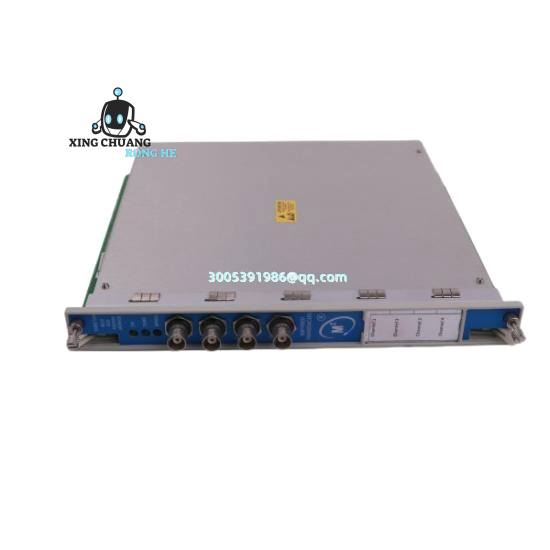
Why It Beats the Competition (No Marketing Fluff)
Let’s be real – most vibration modules work until they don’t. The 72M’s trick? Its dual-channel design monitors both vibration and gap voltage simultaneously. Saw a paper mill in Wisconsin use this to diagnose bearing wear while confirming probe health – two birds, one stone. Compatibility’s solid: talks to Emerson DeltaV, Honeywell Experion, even old-school Modbus setups. Personally I found the ATEX rating way more useful than expected; keeps working when hydrogen leaks make Zone 2 areas sketchy. Oh, and that 0.1Hz low end? Crucial for slow-turning equipment like kilns where others miss early faults. No fancy “AI algorithms” – just bulletproof analog circuitry that won’t glitch when your plant’s RF noise spikes. You know what’s handy? The self-diagnostics flag internal issues before they mess with your readings. Saved my bacon during a midnight plant walkdown last winter.
There are no reviews yet.