

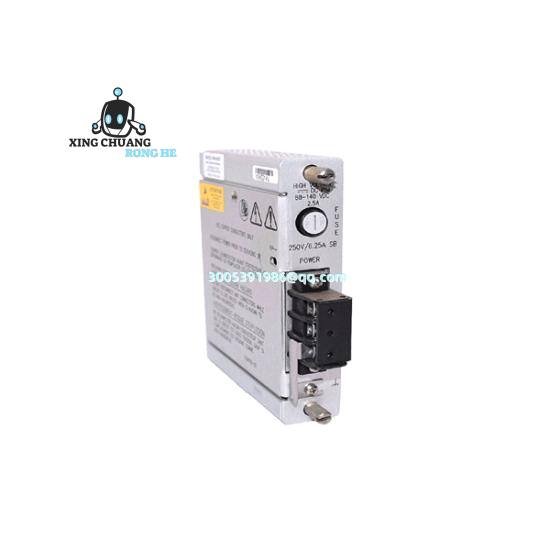
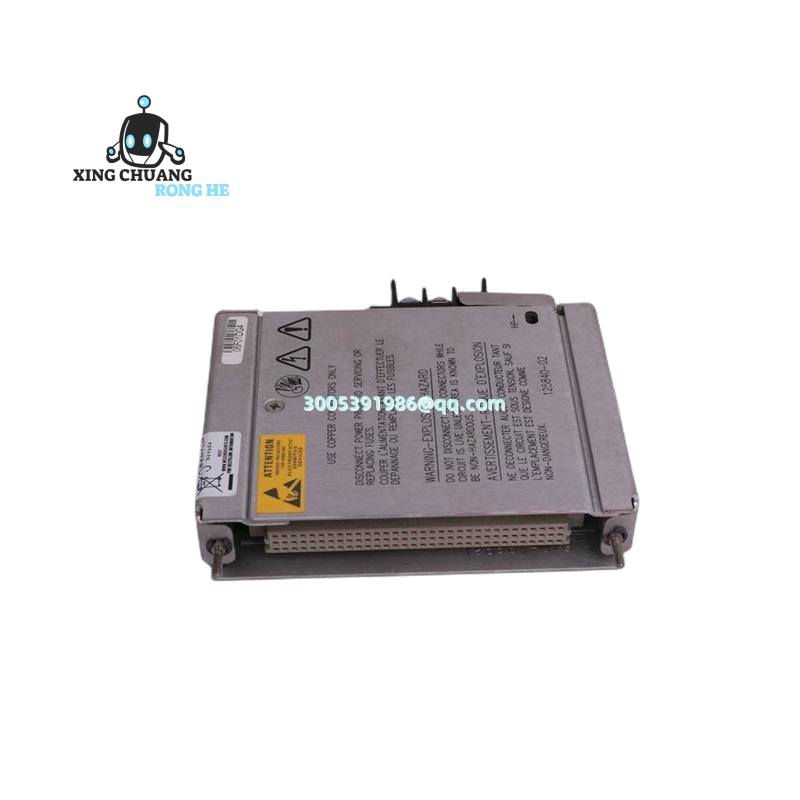
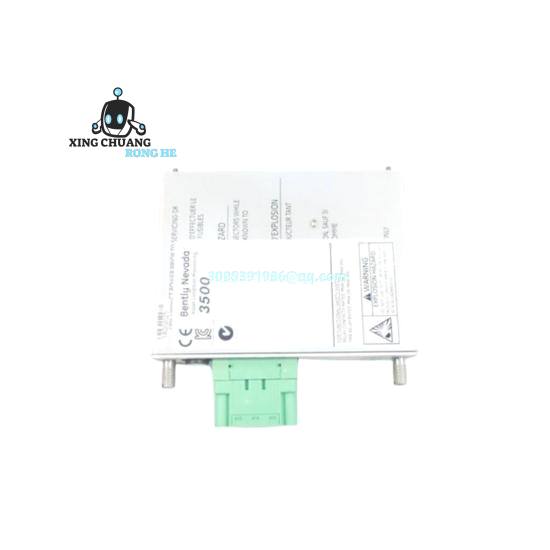
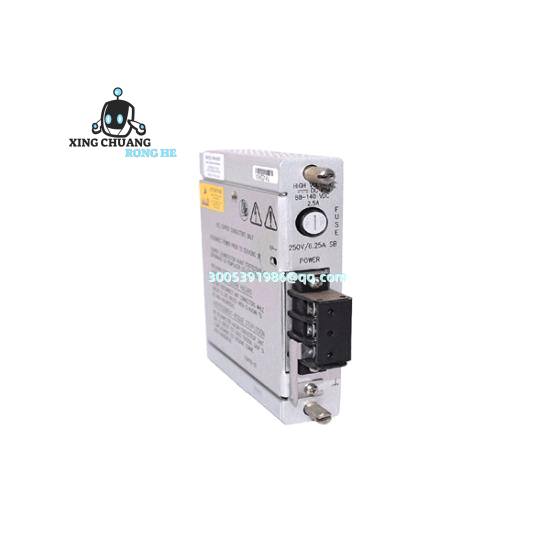
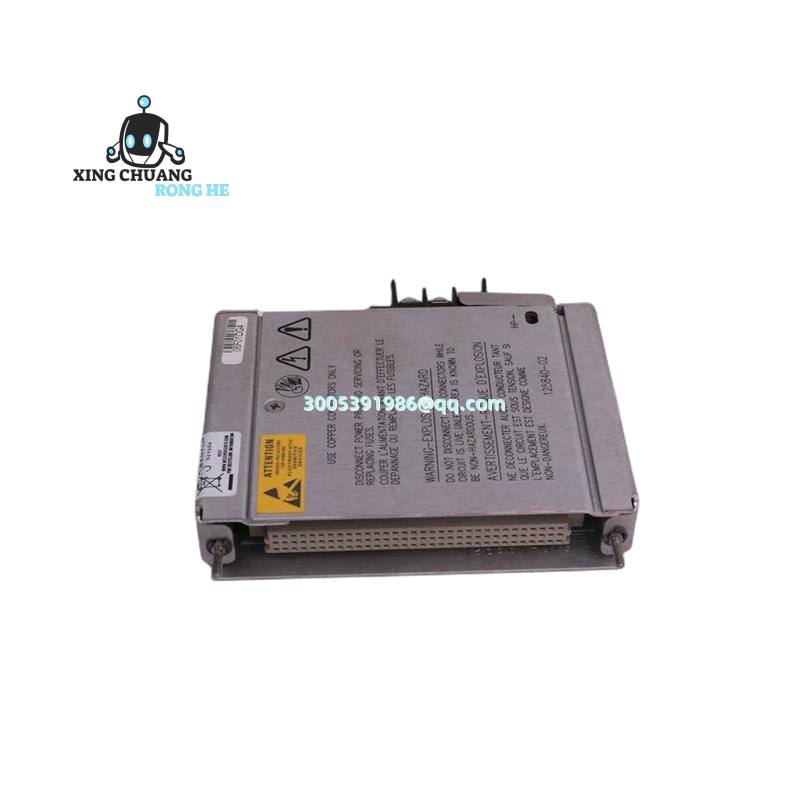
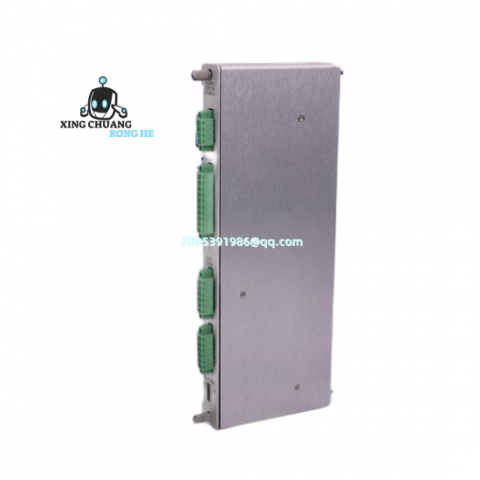
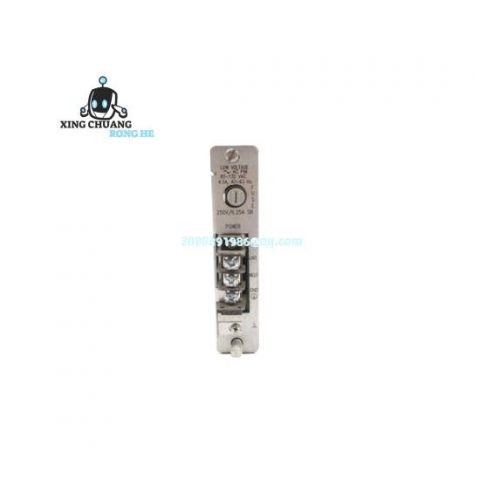
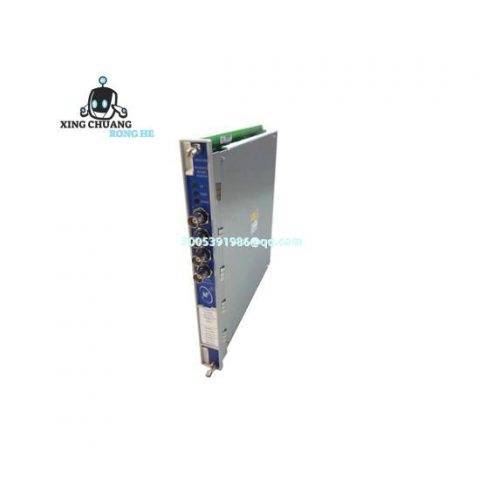
BENTLY NEVADA 129478-01 Vibration Monitoring Module: Industrial-Grade Precision Where It Counts
You know how bearing failures sneak up on you in rotating equipment? This module catches those early vibration patterns before they become midnight emergencies. It’s the workhorse we keep seeing in refineries and power plants—constantly scanning turbines and compressors so maintenance crews don’t get that dreaded 3 a.m. call. Honestly, it’s less about fancy tech and more about giving operators breathing room to plan real fixes.
| Brand | BENTLY NEVADA (Baker Hughes) |
| Model | 129478-01 (3500 Series Rack Monitor) |
| Operating Voltage | 24 VDC nominal (18-32 VDC range) |
| Frequency Range | 0.1 to 10 kHz (typical for prox probes) |
| Weight & Dimensions | 1.2 kg / 130 x 225 x 300 mm (19″ rack mount) |
| Certifications | CE, ATEX Zone 2, IEC 61010-1 |
Where You’ll Actually Use This Thing
Thing is, if you’re running gas turbines or centrifugal compressors—like that cracked-gas compressor in Texas last year that threw a bearing—this module’s your first line of defense. We’ve got them paired daily with 3300 series probes (model 330104-50-00-05-02 pops up a lot) on refinery pumps. Oh, and that paper mill in Wisconsin? They’re using it alongside 3500/44M monitors to catch misalignment before seals blow. Main models we handle: 3500/22M, 3500/42M, 3500/92M, plus legacy 1764 and 1794 systems when plants haven’t upgraded yet. Funny how many folks still run those old 1900 series racks.
Why It Beats Cheap Alternatives (From Experience)
Personally, I found these don’t flinch when plant voltage dips during storm season—unlike some knockoffs that reset mid-measurement. The dual 4-20mA outputs feed straight into legacy DCS systems (Honeywell Experion, Emerson DeltaV), and that built-in relay? Cuts generator load before vibration hits critical levels. No false alarms. Ever. What really matters though: it’s designed for API 670 compliance out of the box, so you skip months of certification headaches. Saves maintenance teams hours weekly because the self-test diagnostics actually work—seen too many “smart” modules that need constant recalibration. Thing is, when your turbine’s screaming at 8,000 RPM, you need data you can trust without digging through menus.
There are no reviews yet.