

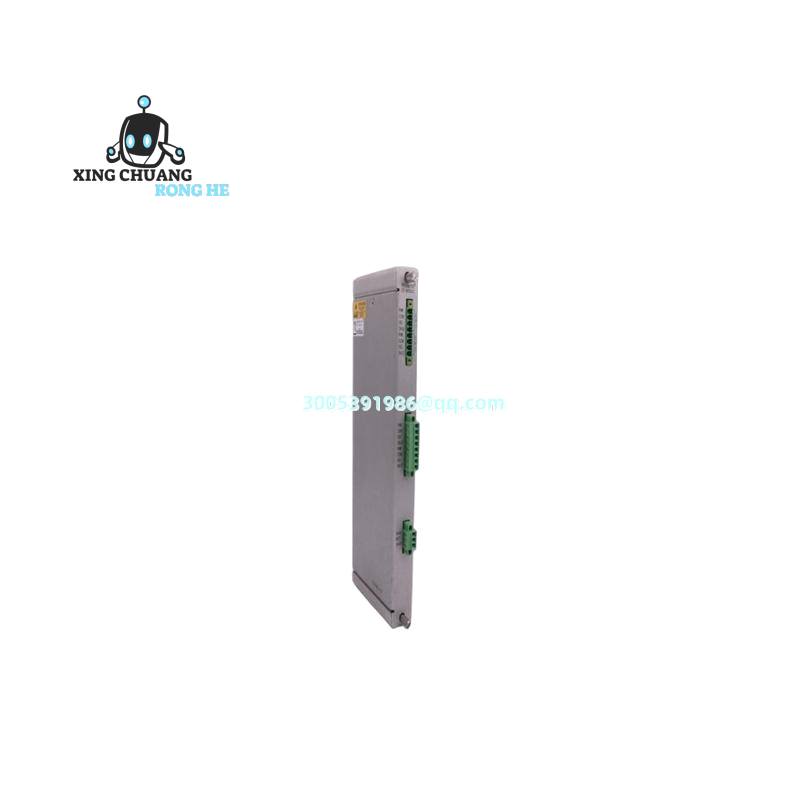
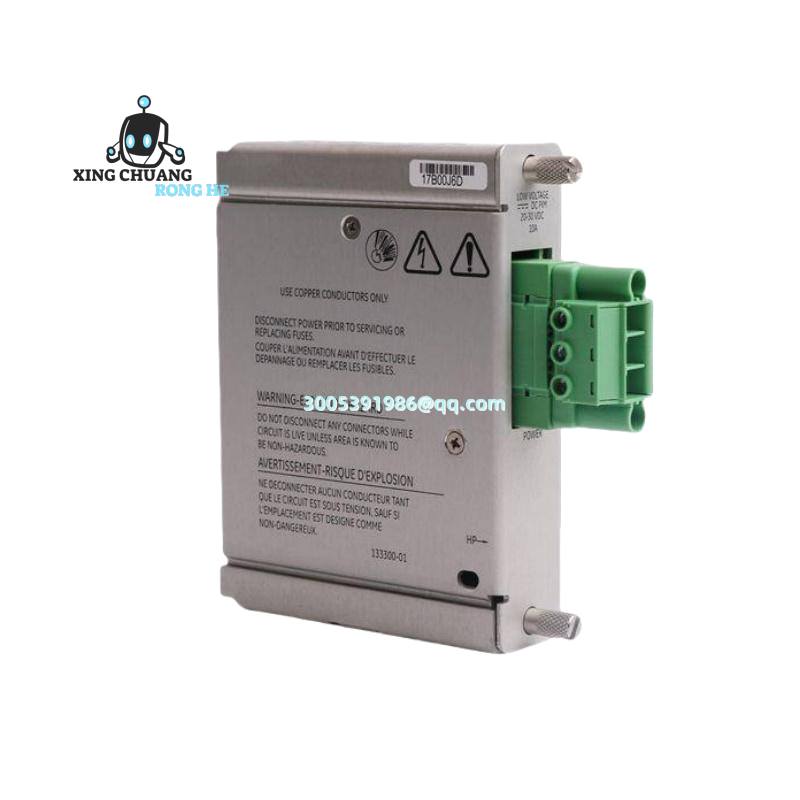
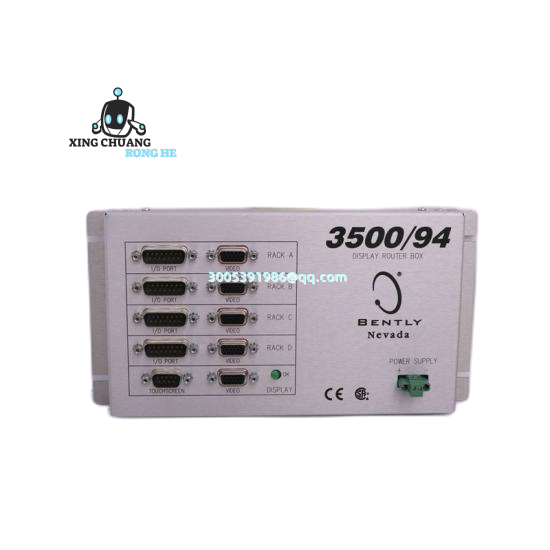
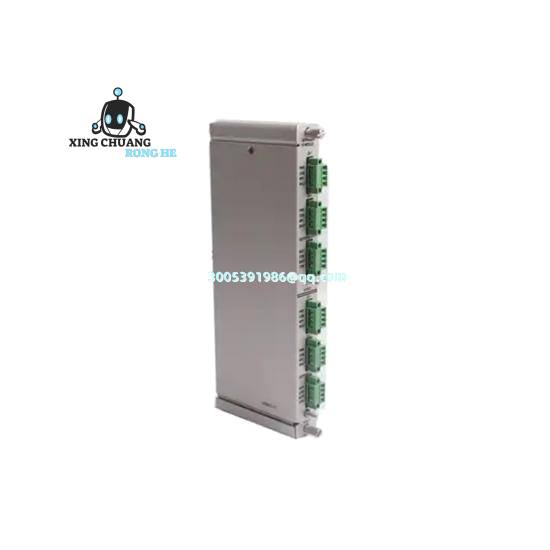
BENTLY NEVADA 133819-02 Vibration Monitoring That Won’t Ghost You
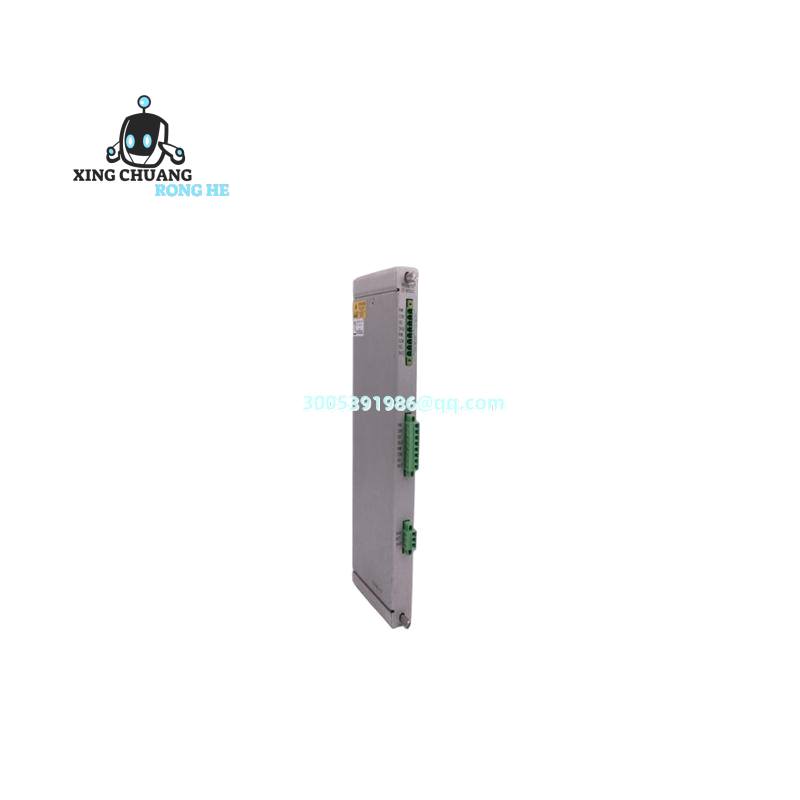
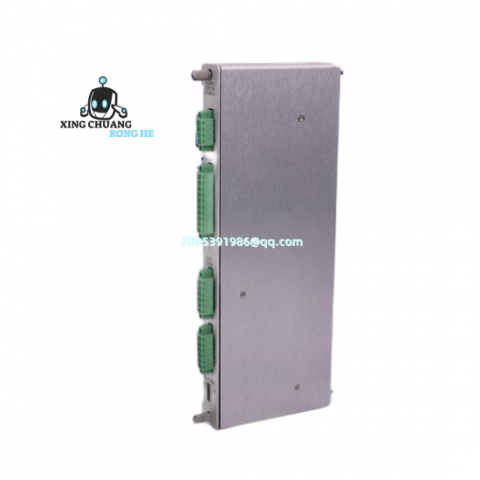
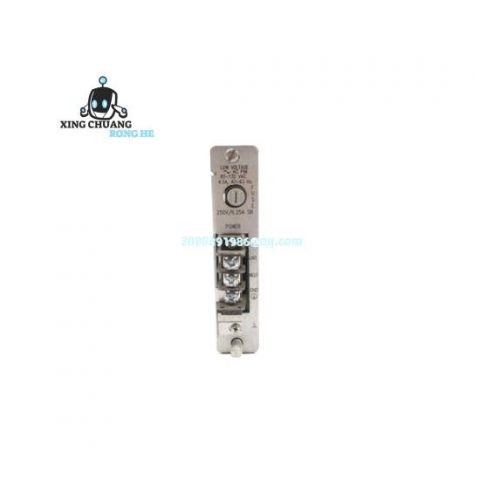
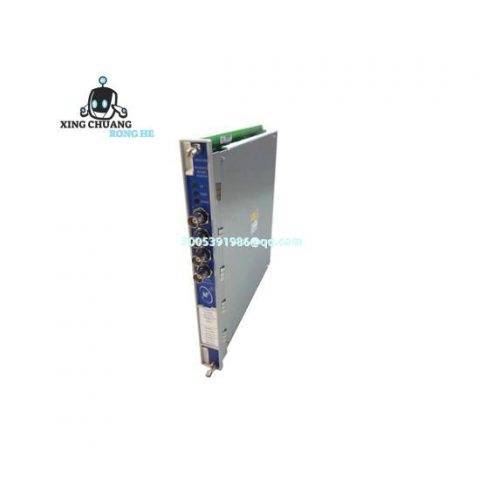
You know how it goes – that subtle rumble in your turbine casing that keeps plant managers up at night. The 133819-02 isn’t some fancy lab toy; it’s the workhorse vibration transmitter we’ve seen pull double shifts in pulp mills and offshore rigs. Mount it on compressor bearings or pump housings, and it’ll feed clean 4-20mA signals straight to your DCS without throwing tantrums during voltage dips. Honestly, it’s the sensor we recommend when clients complain about “phantom alarms” from cheaper units.
| Brand | BENTLY NEVADA |
| Model | 133819-02 (4-20mA Transmitter) |
| Operating Voltage | 18-30V DC (not 220V – common field mistake!) |
| Frequency Range | 5 Hz to 1 kHz (practical industrial range) |
| Output Signal | 4-20mA, 2-wire loop powered |
| Temp Range | -40°C to +85°C (electronics), -54°C to +177°C (probe) |
| Mounting | 1/4-28 UNF thread (standard Proximitor) |
| Certifications | ATEX Zone 1, IECEx, FM Approved |
Where It Actually Gets Used (Not Just Brochure Talk)
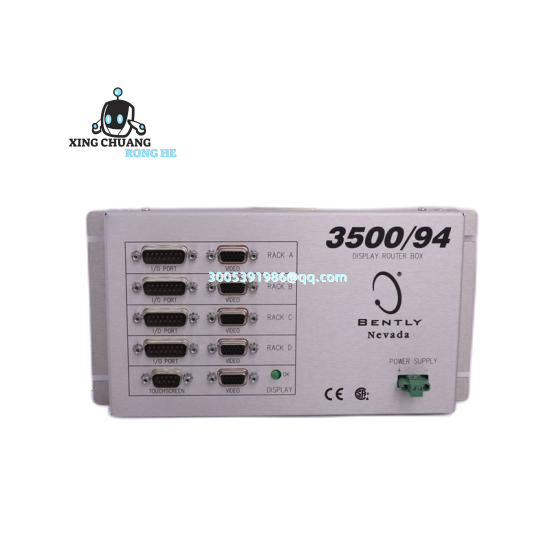
Last month, a refinery in Texas swapped out their failing vibration sensors on a critical hydrocracker feed pump. They’d been wrestling with false trips from generic transmitters – you know, the kind that cry wolf during steam blows. Threw these 133819-02s on the radial bearings, hooked them straight into their existing 3500 rack (model 3500/42M), and haven’t seen a nuisance alarm since. We move a ton of these alongside 3300/15 probe sets for boiler feed pumps, and they play nice with Triconex 3805E safety controllers when you need SIL-2 compliance. Funny enough, paper mills love ’em for calender stacks – one customer told us they’ve got units running since 2009 with just routine cable checks.
Why It Stays Calm When Things Get Messy
Let’s be real – most vibration sensors choke when your plant’s electrical noise floor spikes during startup. This one’s got built-in RF filtering that laughs at VFD harmonics (we tested it next to a 500HP motor drive). Personally, I’d recommend pairing it with a 3500/22M rack because the dual-channel monitoring catches phase shifts that single sensors miss – caught a misaligned coupling at a chemical plant last quarter that would’ve shredded bearings in 72 hours. The real magic? Its temperature compensation. Saw a unit in Alberta handle -40°C startup to 80°C operating temps without recalibration while cheaper units drifted 15% off spec. Oh, and don’t bother with external isolators; the galvanic isolation handles ground loops up to 1500V. Just wire it, set your 4-20mA range, and forget it until the next turnaround.
There are no reviews yet.