

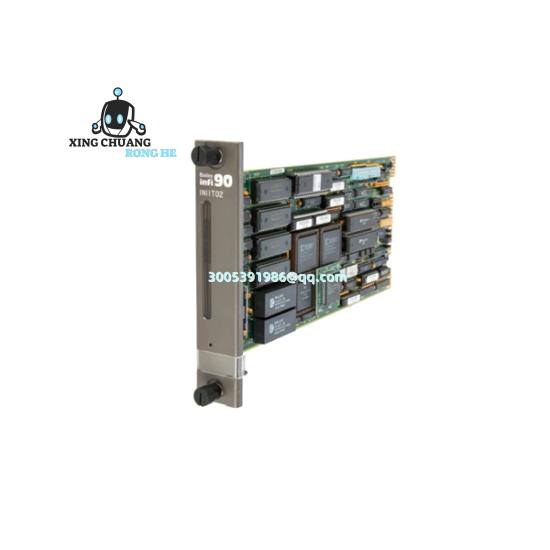
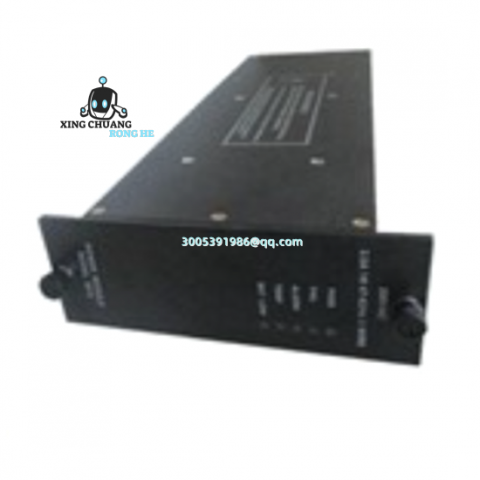
TRICONEX PLM 3900N Programmable Logic Module: Mission-Critical Control
This isn’t just another control module—it’s your last line of defense when processes go sideways. The PLM 3900N handles emergency shutdowns, burner management, and safety interlocks in refineries, chemical plants, and power stations where a single failure could mean millions in downtime or worse. Forget basic PLCs; this thing keeps running even when two processors crash simultaneously. You know how these things go—lightning strikes during monsoon season, control rooms hit 50°C, and everything else trips… but not this.
| Brand | TRICONEX (Schneider Electric) |
| Model | PLM 3900N (3564 Material Code) |
| Dimensions | 195 x 130 x 100 mm (W x H x D) |
| Weight | 1.8 kg |
| Power | 100-240V AC, 50/60 Hz |
| Certifications | SIL 3 (IEC 61508), TÜV Rheinland certified |
Where It Actually Matters
Saw one installed at a Gulf Coast ethylene plant last year—when a compressor surge took out two control cabinets, the PLM 3900N kept the flare stack operational while they scrambled. That’s typical. We regularly handle these for TRICON systems: 3008, 3009X, 3703X, 3720, 4351B, and legacy 3511 series. Funny enough, most customers only realize they need it when their old 3500/44 modules start failing during winter freezes. Pro tip: pair it with 3624 I/O cards for turbine control—avoids those nasty signal drift issues in high-vibration zones.
Why It Outlasts the Competition
Triple Modular Redundancy (TMR) isn’t just marketing fluff here. Each of the three processors runs identical code but votes on outputs—if one glitches from electrical noise (common near VFDs), the others override it in under 300ms. Personally, I found the hot-swap capability saves headaches during turnarounds; last month a client replaced a faulty 3900N in a running LNG facility without tripping the process. Compatible with legacy TRICON racks but plays nice with modern DCS like Emerson DeltaV or Honeywell Experion through Modbus TCP. Oh, and that “30kHz” spec? It’s the communication bandwidth for peer-to-peer safety networks—critical when coordinating multiple shutdown systems. Dust and vibration? Standard operating conditions for this thing. Just don’t expect it to survive a direct lightning strike… nothing does.
There are no reviews yet.