

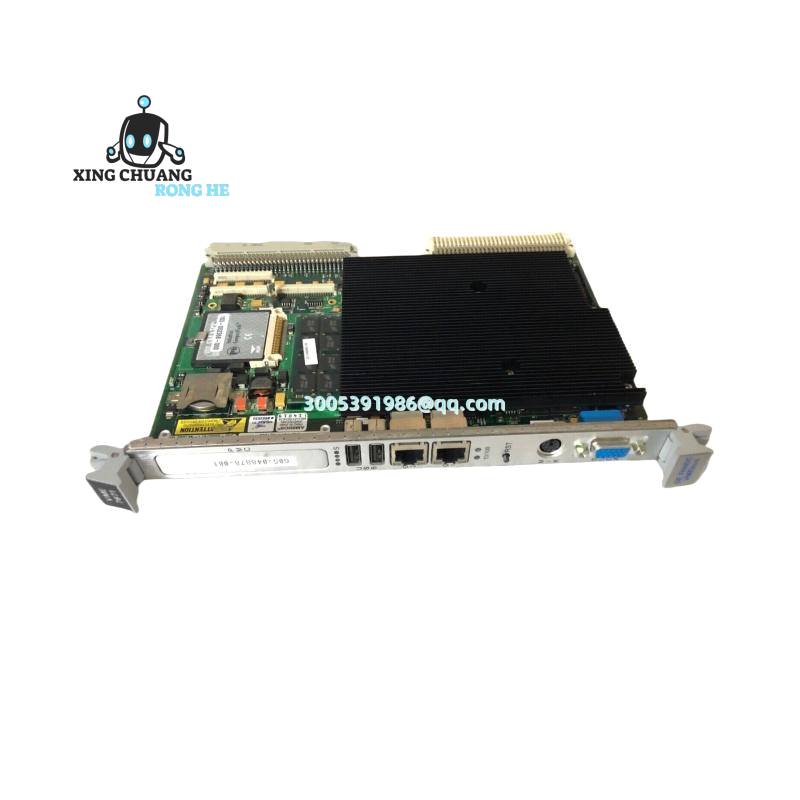
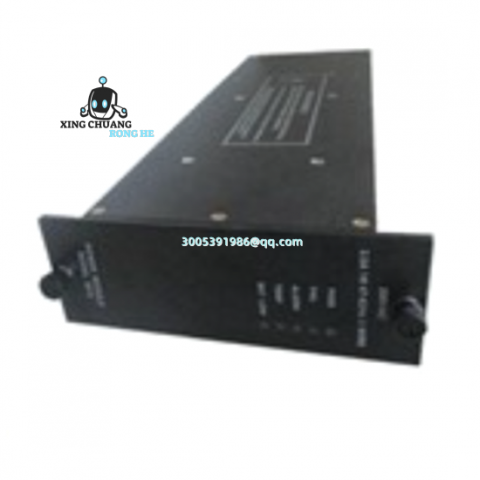
TRICONEX 4210: Triple-Redundant Control for Critical Operations
You’ll typically find this module deep in the guts of safety-critical systems—think offshore oil platforms where a single failure could mean catastrophe, or chemical plants running 24/7. The 4210 isn’t just another controller; it’s the last line of defense when processes go sideways. Honestly, if your operation can’t afford even a millisecond of downtime, this is what you spec. Seen too many facilities cut corners with standard PLCs only to pay later—don’t be that guy.
| Brand | TRICONEX (Schneider Electric) |
| Input Voltage | 19.2–30 VDC (not 220V—common mistake!) |
| Scan Time | ≤3 ms typical |
| Weight | 1.8 kg |
| Certifications | SIL 3, IEC 61508, ATEX |
Last month a refinery in Texas called panicking because their old 3501s were failing—turns out they’d been running on borrowed time for years. We swapped in 4210s alongside 3721 communication modules and 4355X I/O cards, same afternoon. Thing is, TRICONEX isn’t just about single modules; it’s the whole ecosystem. We move serious volume on 3008 power supplies, 3805E CPUs, and those rugged 3624 analog input cards—especially for LNG terminals where humidity eats lesser hardware alive. Funny how nobody thinks about redundancy until the first emergency shutdown hits.
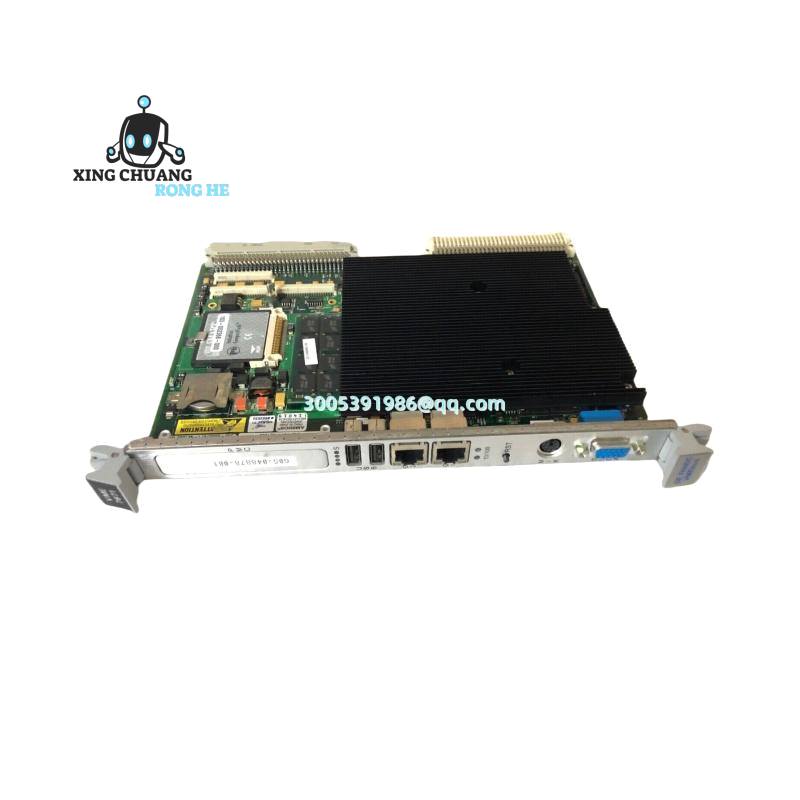
Here’s what actually matters in the field: that triple-modular redundancy (TMR) architecture means two channels can fail completely while the third keeps the process humming. No voting delays, no hysteresis—just seamless takeover. Personally, I’ve seen these run 15 years straight in Gulf Coast refineries with nothing but routine cleaning. They play nice with legacy Foxboro I/A systems too, which matters when you’re upgrading brownfield sites. Oh, and the hot-swap capability? Lifesaver during turnaround season. One plant manager told me, “These things feel overbuilt—but after the ’09 incident, I’ll take overbuilt any day.” No joke.
There are no reviews yet.