

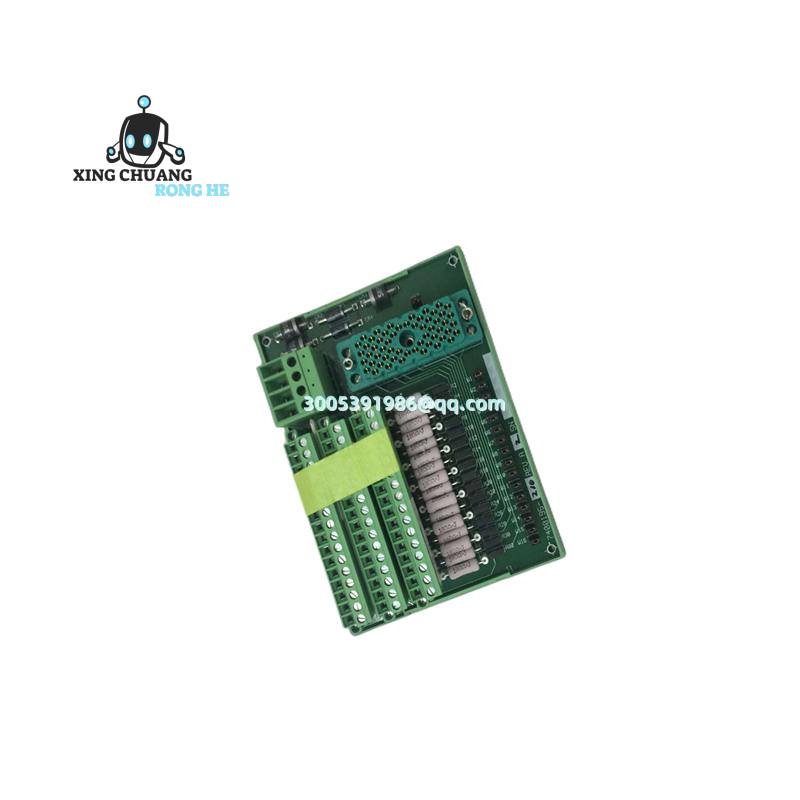
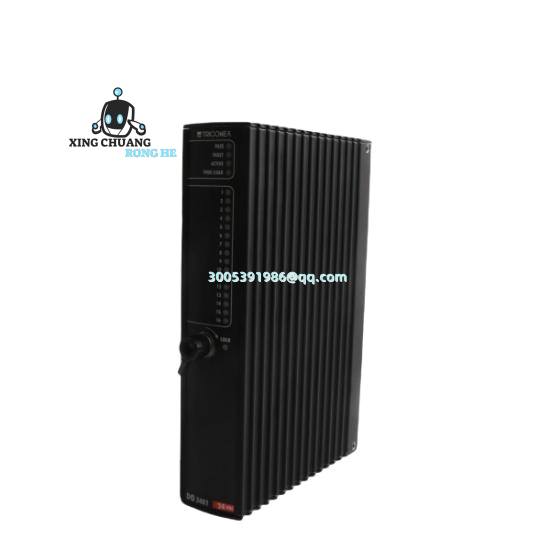
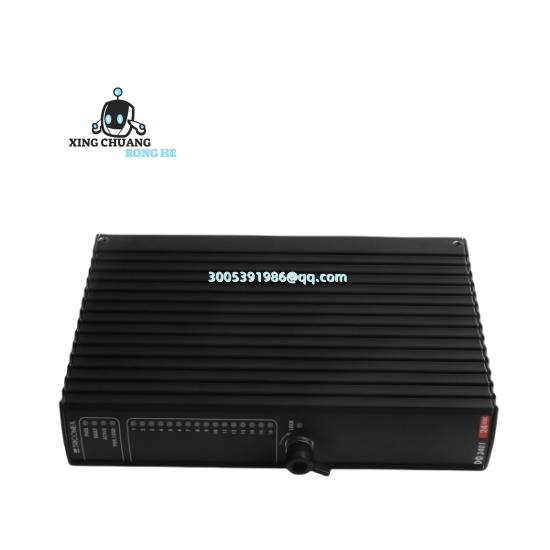
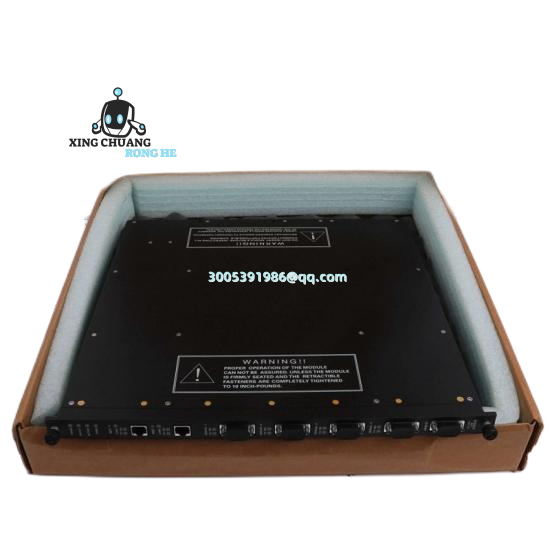
TRICONEX AI6700 High-Accuracy Industrial Process Control Module
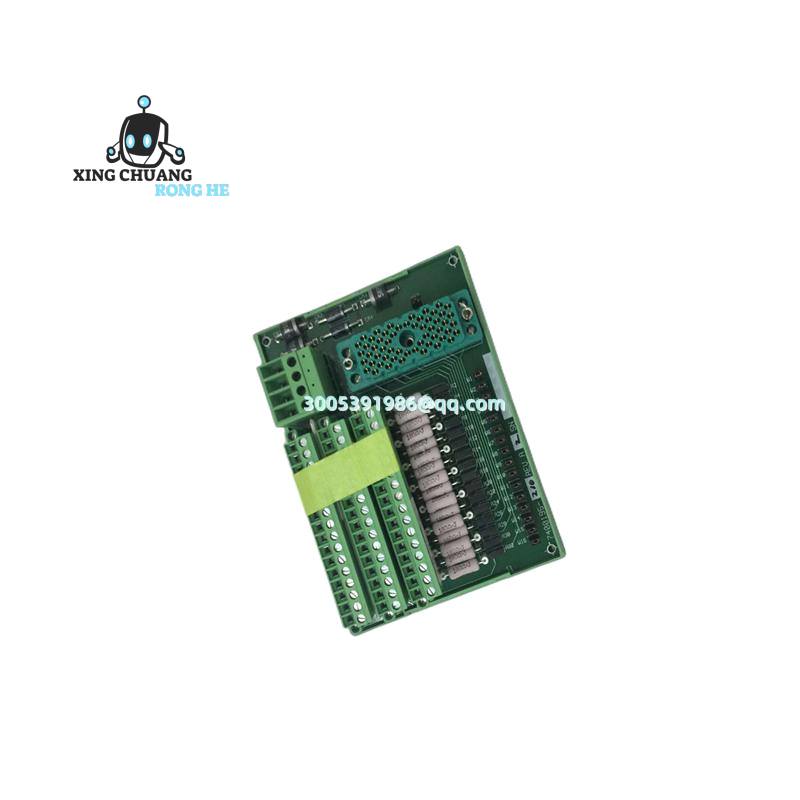
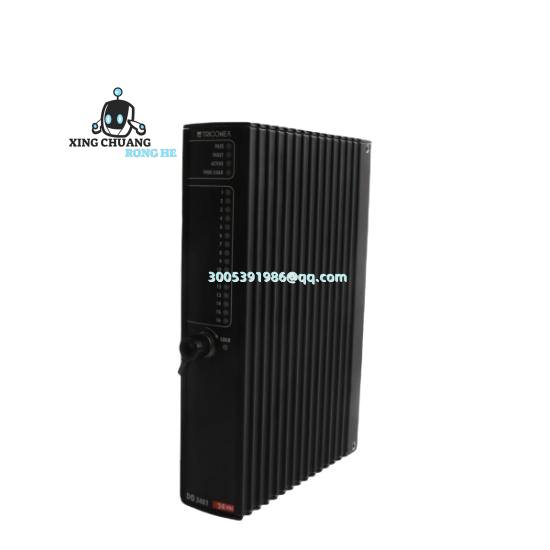
Honestly, this thing keeps your process humming when precision matters—think chemical reactors or turbine controls where a few millivolts off could mean scrapped batches. The AI6700 handles those tricky analog signals (4-20mA, thermocouples, you name it) without breaking a sweat, even in plants where vibration and electrical noise would make cheaper modules throw fits. We’ve seen it pull double duty in offshore rigs where salt spray and sudden temp swings would cripple lesser gear.
| Brand | TRICONEX (Schneider Electric) |
| Model | AI6700 |
| Input Range | ±10V, 0-20mA, RTD/thermocouple (configurable) |
| Voltage | 24V DC (±10% tolerance) |
| Accuracy | ±0.05% of span (typical) |
| Dimensions / Weight | 120 x 100 x 80mm / approx. 3.3 lbs |
| Certifications | ATEX, IECEx, FM (check manual for zone specifics) |
Where You’ll Actually Use This Thing
Picture that paper mill in Wisconsin last winter—the AI6700 kept their dryer stacks running when ambient temps hit -20°F and steam leaks fogged the control room. It’s the go-to for TRICONex 3008/3700 series systems, especially paired with 3720/3721 CPUs or 4351B comms modules. Refineries love it for flare gas monitoring (replaces older 3503s), and we’ve got one holding down a LNG terminal’s cryogenic valves where -160°C readings can’t afford drift. If you’re running 3805E I/O chassis or upgrading legacy 3009 systems, this slots right in—no rewiring headaches.
Why It Won’t Let You Down (Mostly)
Triple modular redundancy isn’t just marketing fluff here—three independent CPUs vote on every signal, so if one channel glitches from EMI (common near VFDs), the others override it silently. You get 1ms scan times without special tuning, and the hot-swappable design means swapping a failed module during production—no shutdowns. Compatibility’s solid with legacy TRICONex racks (3008/3009) but watch the firmware; we had a client brick two units by skipping version checks. Personally, I’ve found the built-in diagnostics save hours—last month it flagged a drifting thermocouple in a hydrogen plant before operators even noticed temperature creep. Oh, and it handles 2000V surge spikes (thanks to those beefy opto-isolators), though keep it away from direct arc welder zones. Just don’t expect miracles in 85°C ambient—add a fan if your cabinet’s baking.
There are no reviews yet.