

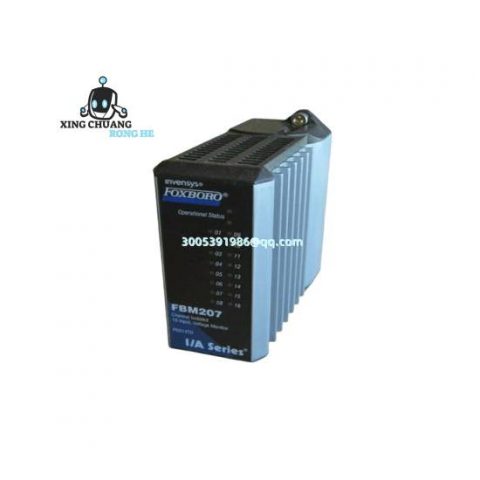
FOXBORO AD908CC Precision Analog Input Module for Critical Processes
This 16-channel analog input module handles 4-20mA signals with HART communication capability—exactly what you need when transmitter diagnostics could prevent a $250k/hour production line stoppage. Plant engineers in chemical plants and refineries rely on it for continuous monitoring of pressure, temperature, and flow where millisecond accuracy matters. Honestly, it’s become the unsung hero in control cabinets when legacy systems need modern diagnostics without full replacement.
Technical Specifications
| Brand | FOXBORO (I/A Series) |
| Function | 16-Channel HART Analog Input |
| Signal Range | 4-20mA with ±0.1% accuracy |
| Resolution | 16-bit |
| Dimensions | 125mm × 100mm × 220mm (W×H×D) |
| Weight | 120g |
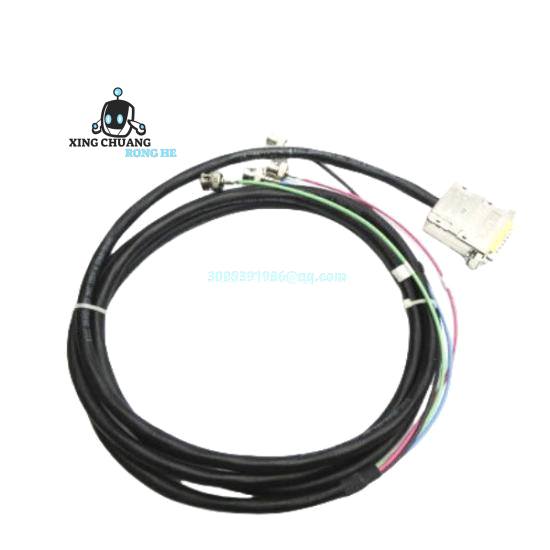
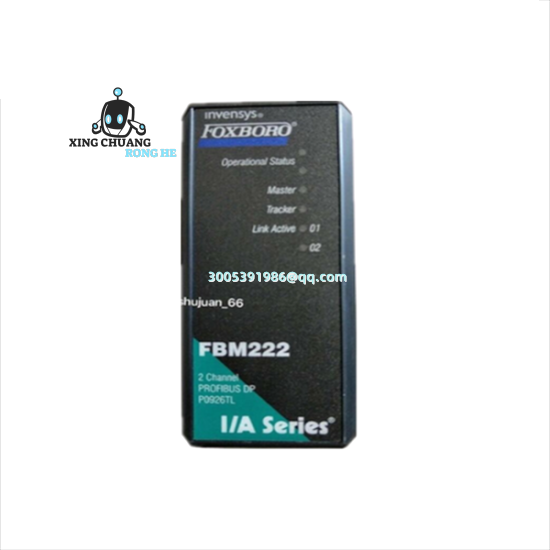
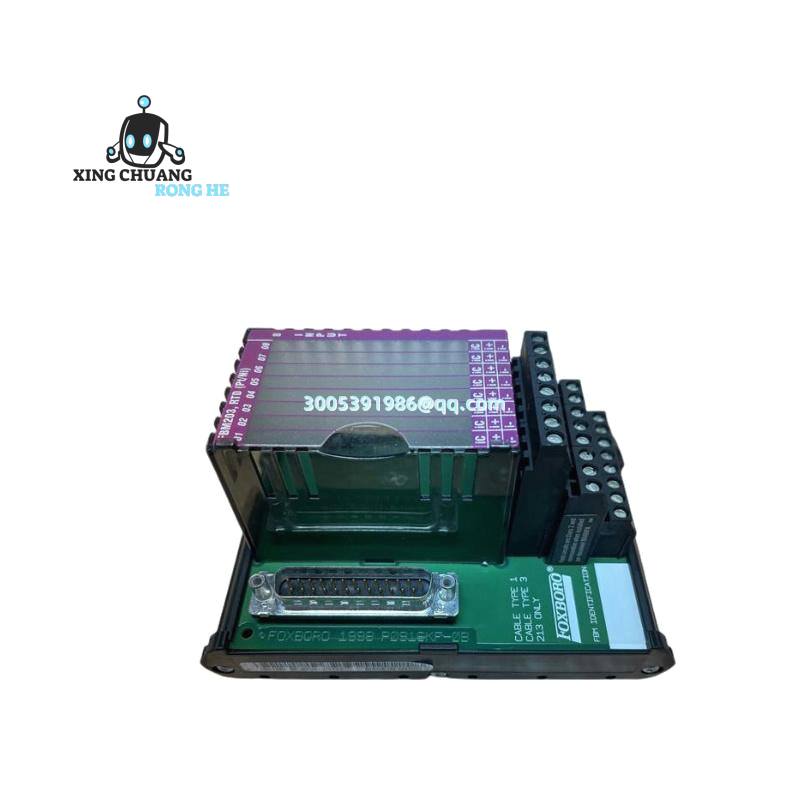
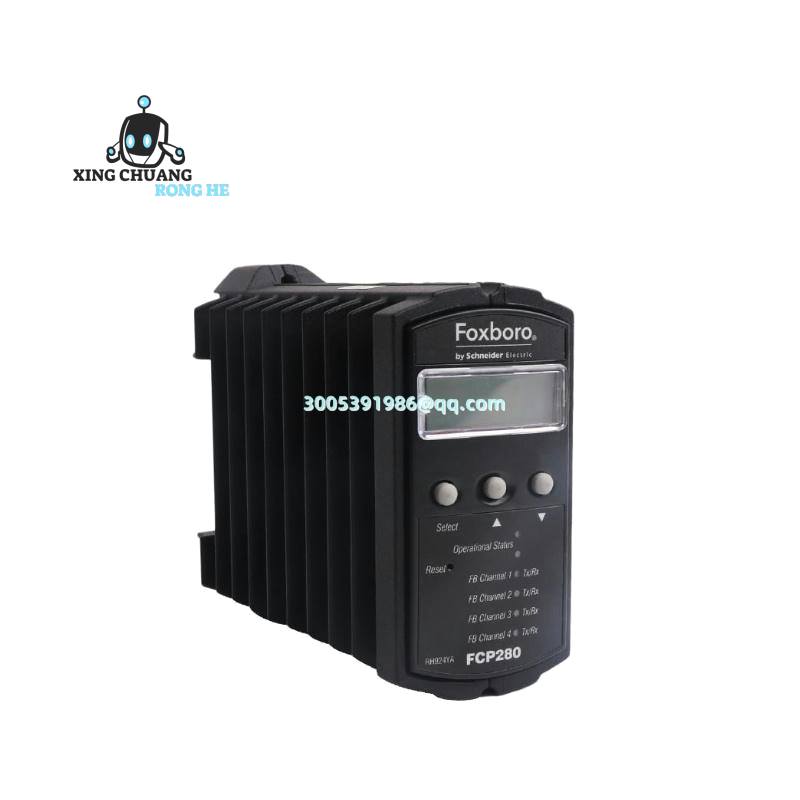
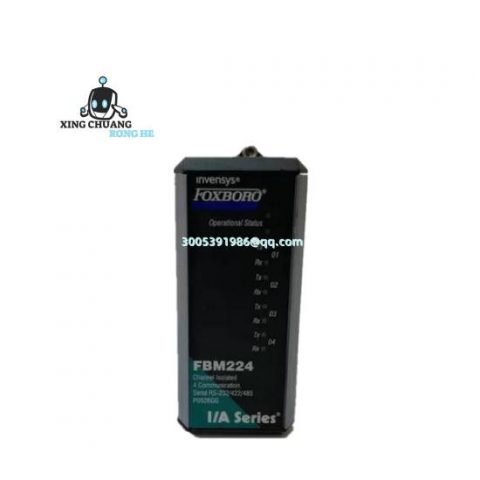
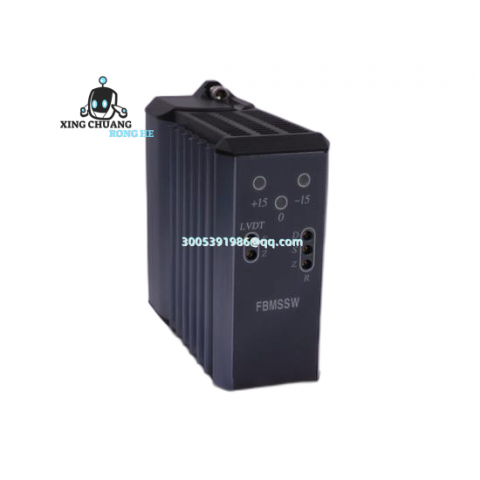
Picture this: a Midwest refinery’s crude distillation unit running nonstop for 18 months. The AD908CC modules on the overhead vapor line kept catching subtle HART diagnostics from pressure transmitters before drift became dangerous—saving unplanned shutdowns. You’ll find these paired with FBM203 analog outputs or FBM217 thermocouple inputs in pulp mill digesters, or alongside FCP280 controllers in LNG facilities. Honestly, maintenance crews swear by them when retrofitting aging I/A Series systems; last month a client in Rotterdam replaced 42 legacy modules with AD908CCs during a weekend outage and avoided €1.2M in downtime. We regularly handle related models like FBM204 (voltage input), FBM231 (HART multiplexer), and the ruggedized P0926GU for offshore platforms.
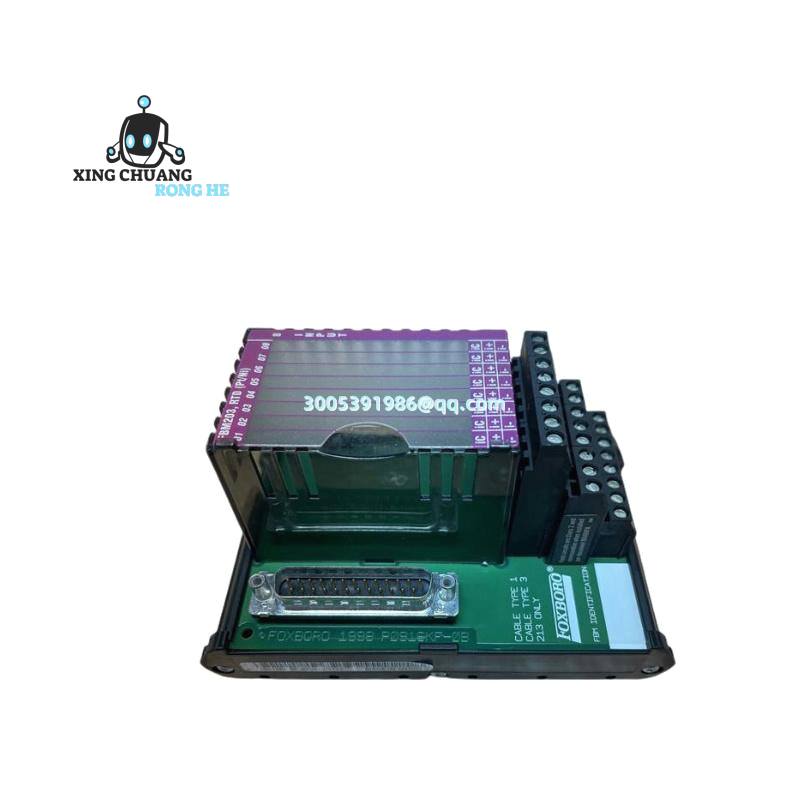
What makes these modules hold up after 15 years in sulfuric acid plants? First, the dual-backplane design lets them run hot-standby redundancy without extra hardware—critical when a single sensor failure could trigger a cascade shutdown. You’ll notice the galvanic isolation (2500VAC) prevents ground loops from wrecking readings during lightning storms, which fried cheaper modules at that Texas ethylene plant last summer. And about those HART signals: they’re not just for diagnostics. We’ve seen teams use the live device variables to auto-calibrate transmitters during production, shaving 3 hours off maintenance windows. Compatibility’s solid too—they plug straight into any I/A Series rack (FCP270/280, P0904HA) and talk seamlessly with Triconex 3503 safety systems via Modbus. Downside? The configuration software still feels like 2003, but once it’s running? Rock solid. Personally, I’d rather trust this over newer “smart” modules when 0.05% accuracy means the difference between grade-A product and off-spec sludge.
There are no reviews yet.