

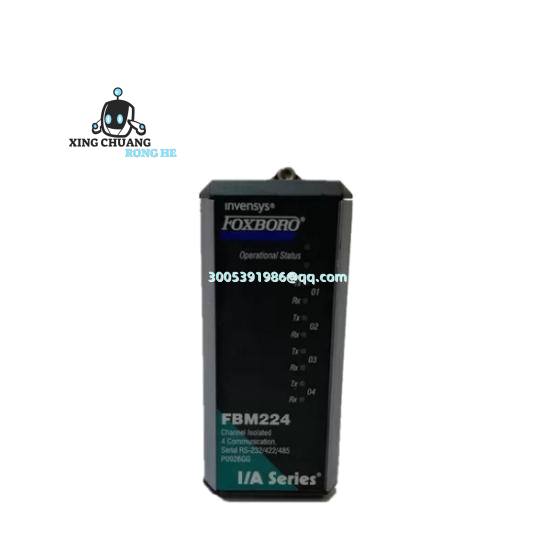
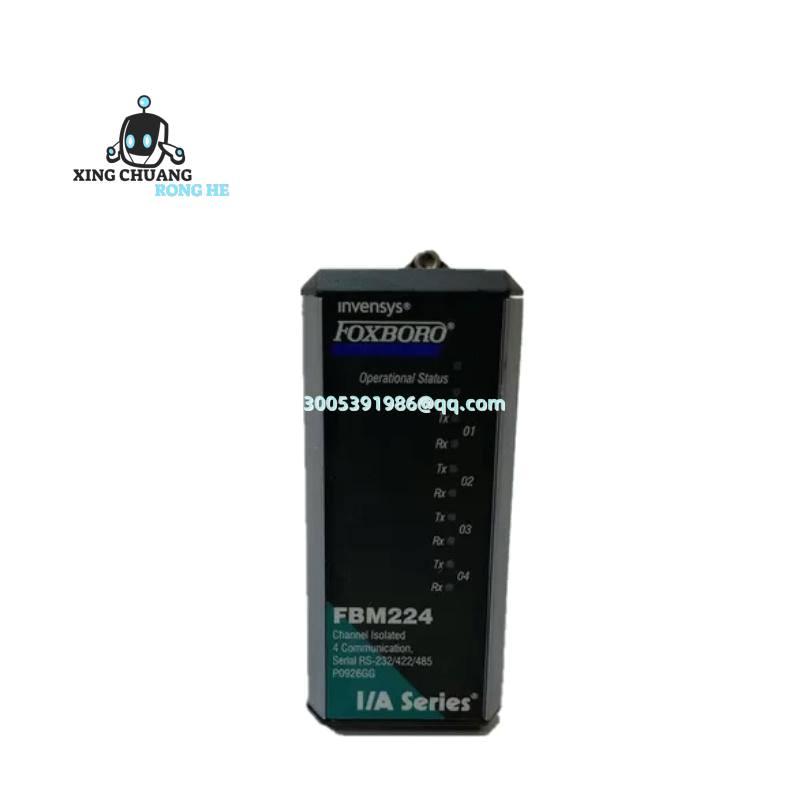
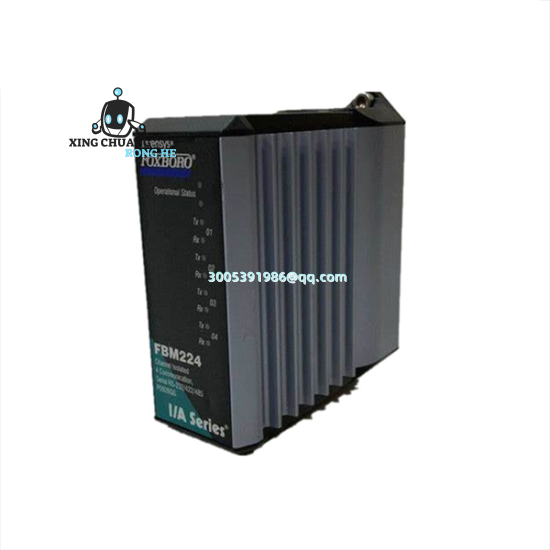
FOXBORO FBM224 P0926GG – Reliable Discrete Output Module for Critical Control
This FBM224 module handles 8-channel relay outputs for motor starters, valve actuators, and safety interlocks in harsh industrial environments. You’ll find it commonly deployed where fail-safe switching matters – like shutting down pumps during overpressure events or triggering emergency vents in chemical plants. Honestly, field engineers tend to prefer it over solid-state alternatives when dealing with inductive loads; those mechanical contacts just handle voltage spikes better without extra snubbers.
Brand: Foxboro (Emerson)
Model: FBM224
Order Code: P0926GG
Output Type: 8 Form C relay contacts (SPDT)
Load Rating: 2A @ 250VAC / 2A @ 30VDC per channel
Isolation: 1500Vrms channel-to-channel
Dimensions: 115 x 80 x 145mm (W x H x D)
Weight: 0.68 kg
Operating Temp: -20°C to +60°C
Approvals: CE, UL, CSA Class I Div 2
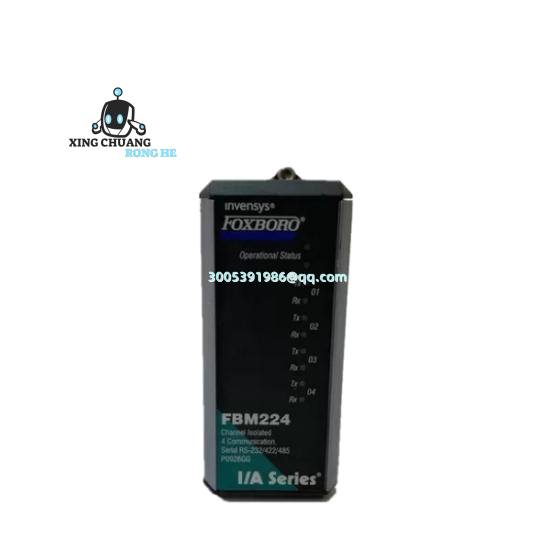
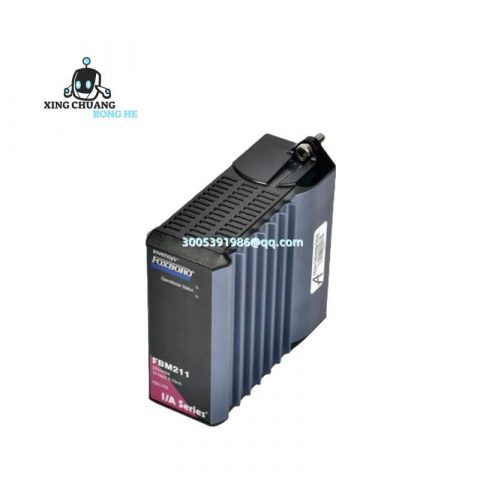
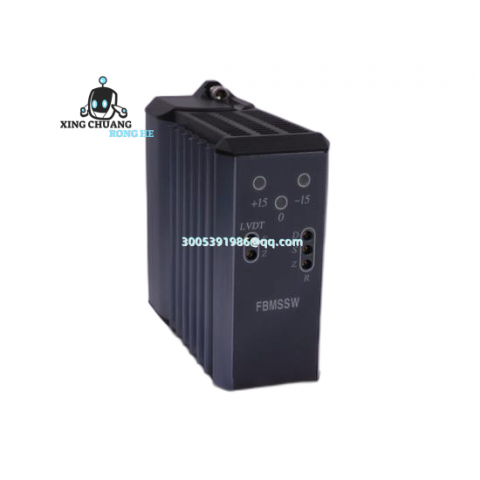
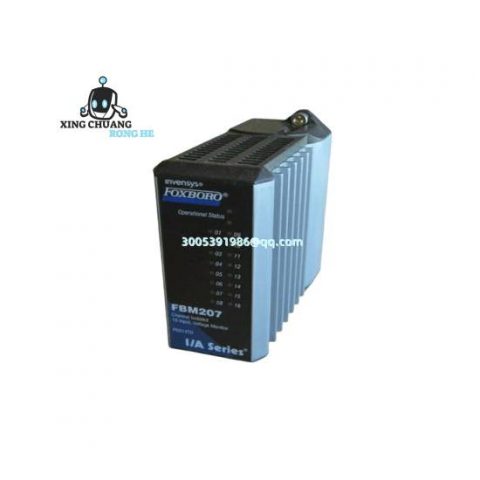
We see these popping up most in oil/gas compressor stations and power plant turbine controls – places where a stuck relay could mean millions in downtime. One refinery in Louisiana actually replaced their aging FBM203 modules with these last year; their maintenance lead told us the reduced contact chatter cut nuisance trips by nearly half. Beyond P0926GG, we regularly handle other I/A Series workhorses like FBM204 analog inputs, FBM217 thermocouple cards, and the newer FBM231 high-density digital modules. Funny enough, the FBM224 still gets specified more than its solid-state siblings for critical shutdown functions – old-school reliability wins sometimes.
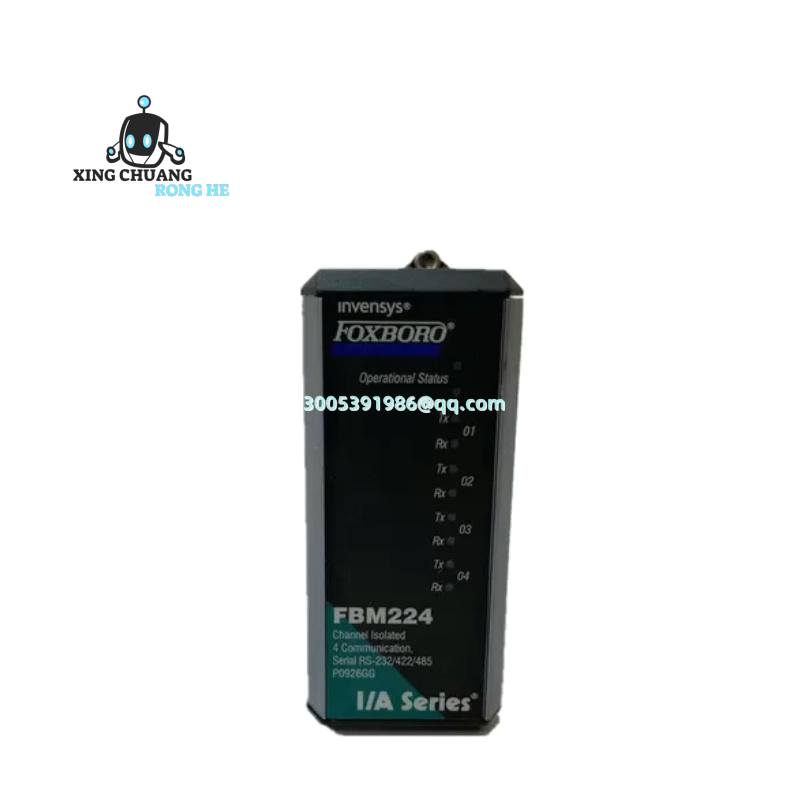
What really sets this apart? The dual-redundant I/O bus support – lose one network path and it keeps running without skipping a beat. Plus it slides right into any I/A Series rack alongside FCP270 or FCP280 controllers without special adapters. Maintenance crews appreciate the hot-swap capability; you can yank it out for testing while the plant keeps humming. We’ve had customers run these for 15+ years with just occasional contact cleaning – though personally I’d recommend checking the coil resistance annually if it’s controlling critical safety functions. Oh, and don’t forget the built-in LED diagnostics; that little green blink pattern saves hours of troubleshooting during midnight shift changes.
There are no reviews yet.