

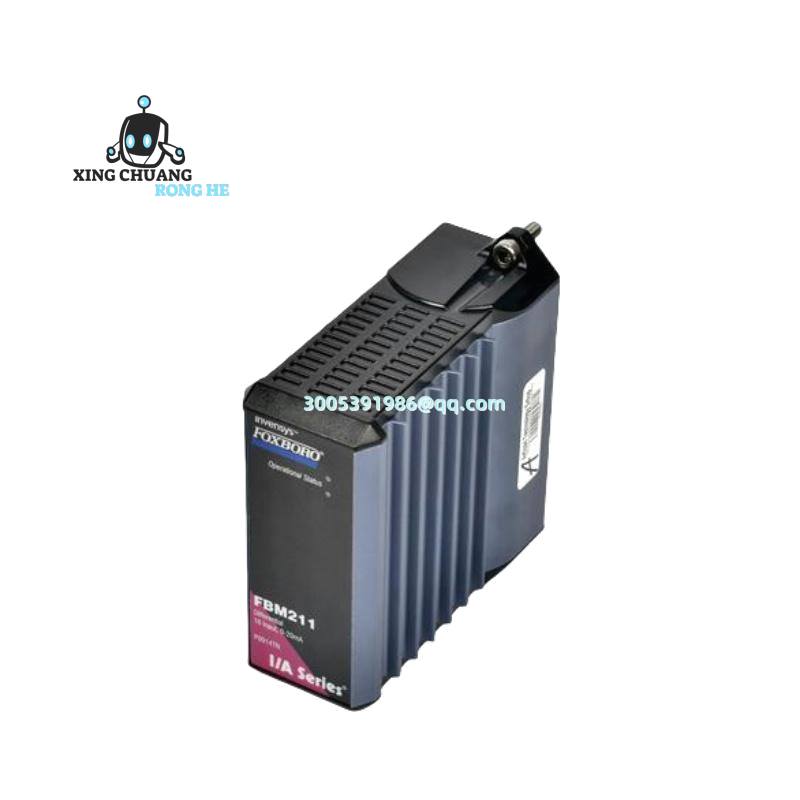
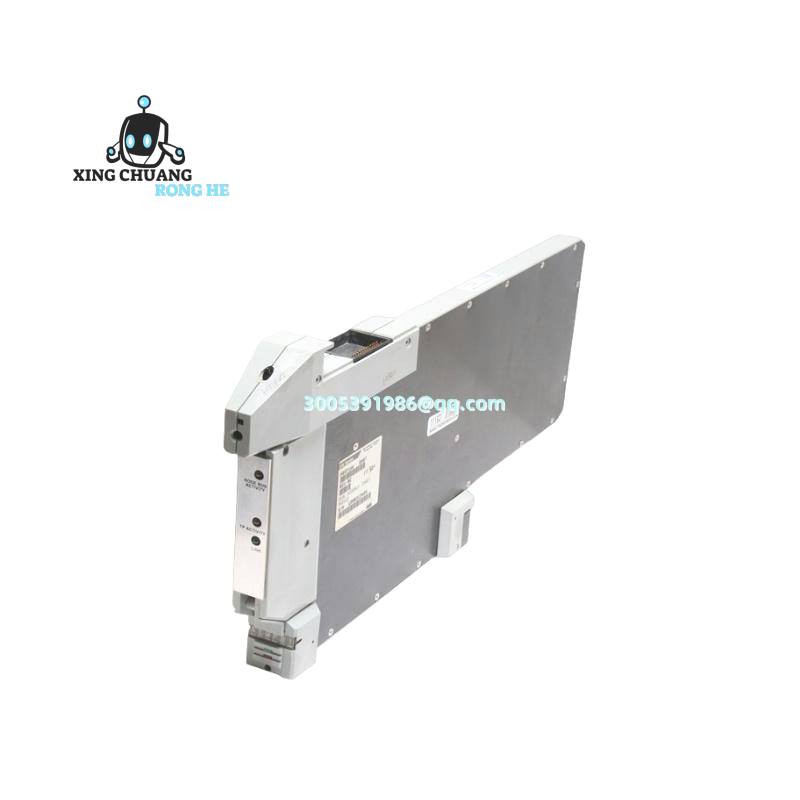
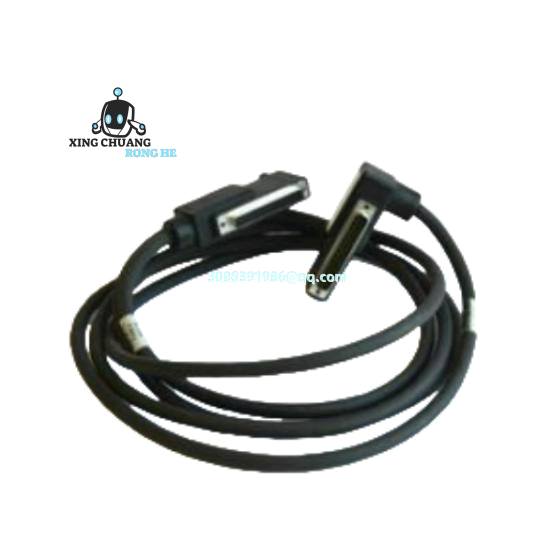
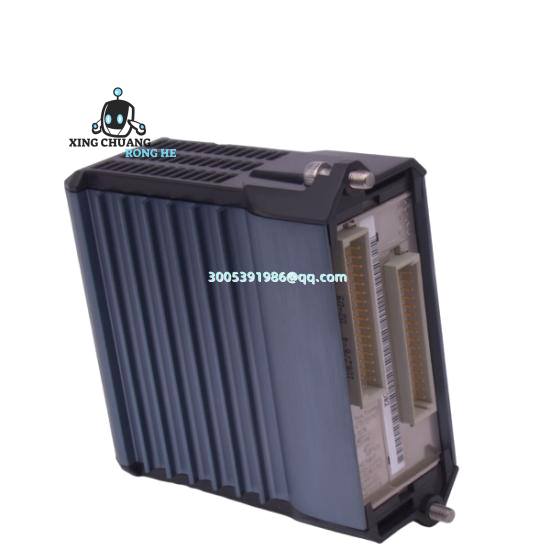
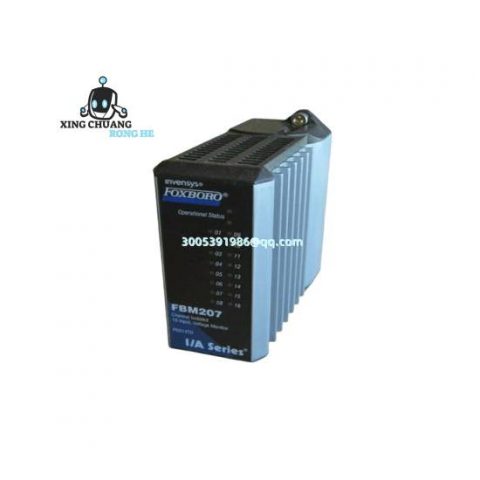
FOXBORO E69F-TI2-S: The Workhorse for Critical Process Control
This analog input module keeps your continuous processes humming—think chemical reactors or distillation columns where missing a temperature spike means downtime. It’s the quiet operator in I/A Series racks that actually gets dirty in paper mills and refineries, converting 4-20mA signals from field instruments into rock-solid data for your controllers. Honestly, you’ll forget it’s there until you need it… and when you do, it won’t let you down.
| Brand | FOXBORO (Emerson) |
| Model | E69F-TI2-S |
| Channels | 8 isolated analog inputs (4-20mA) |
| Voltage Range | 85-264 VAC, 50/60 Hz |
| Accuracy | ±0.1% of span |
| Dimensions | 125mm H × 25mm W × 200mm D |
| Weight | 0.38 kg |
Where You’ll Actually Use This Thing
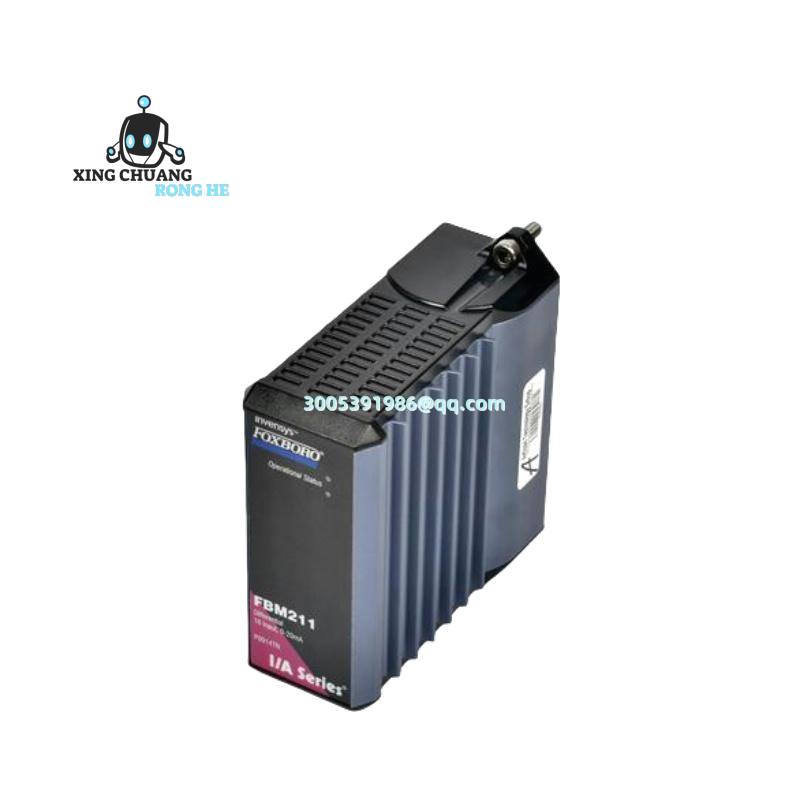
Picture a sulfur recovery unit in a Texas refinery—steam traps failing means toxic leaks. That’s where E69F-TI2-S modules sit behind FBM240s, monitoring thermocouples 24/7. Or a pharma plant’s bioreactor: if that temperature drifts 0.5°C during fermentation, batch gets scrapped. We’ve pulled these out of 20-year-old I/A systems still running like clockwork. Main models we handle? FBM203 for discrete I/O, FBM217 for RTD inputs, and yeah—these E69F-TI2-S workhorses. One maintenance lead in Louisiana told us: “We keep three spares per rack because replacing them during turnaround saves six hours.”
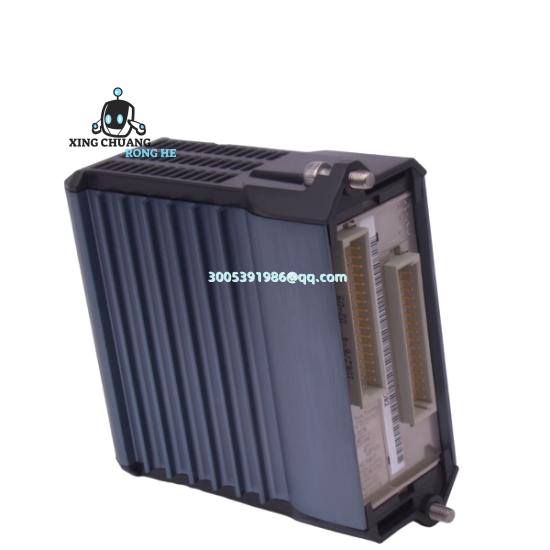
Why It Outlasts the Competition
Forget “smart” features nobody uses. What matters is that isolation barrier between channels—stops ground loops from frying your whole rack when lightning hits the tank farm. The epoxy potting? Keeps moisture out when condensation forms in Gulf Coast control rooms. Personally, I found the terminal blocks easier to wire than Rockwell’s cramped setups; less chance of nicking the sheath with a screwdriver. Compatibility’s straightforward too: slots right into any I/A Series chassis (FCP270/280) and talks to legacy WDPF via comms gateways. Redundancy’s baked in—pair it with FBM231s and your process won’t hiccup during module swaps. Oh, and that ±0.1% accuracy? Holds up after five years in a vibrating pulp mill. Not many analog cards can say that.
There are no reviews yet.