

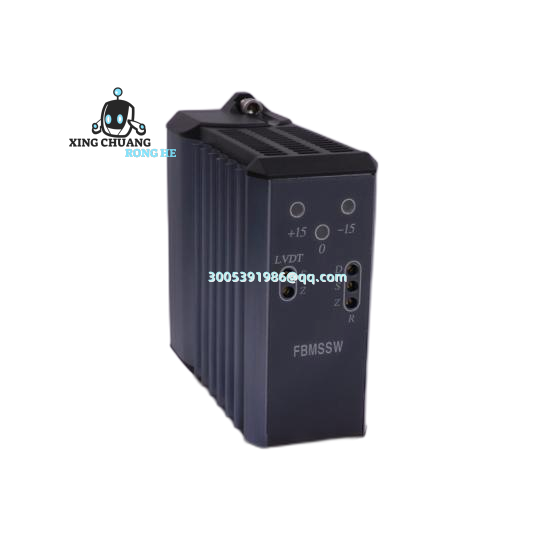
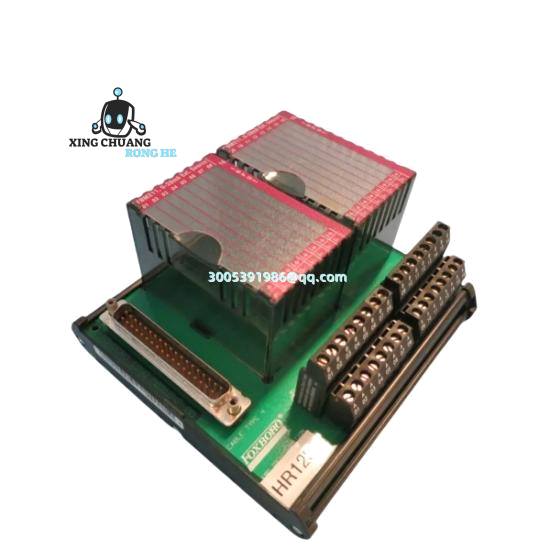
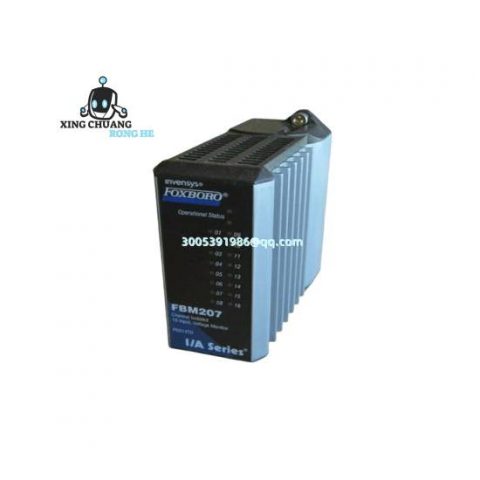
FOXBORO P0903ZQ Discrete I/O Module: Workhorse for Critical Plant Operations
This Foxboro I/A Series module handles basic on/off signals where reliability matters most—think emergency shutdowns, valve positions, or motor status monitoring. Forget fancy specs; it’s built to keep processes running when things get messy. Saw one survive three years in a steel mill with constant vibration and 140°F ambient temps. Not glamorous, but you’ll be glad it’s there when alarms start flashing.
| Brand | Foxboro (Emerson now) |
| Actual Series | FBM207 equivalent (discrete input/output) |
| Voltage Range | 120/240V AC (not fixed 220V—handles fluctuations) |
| Channels | 8 isolated relay outputs |
| Physical Size | 110mm x 80mm x 160mm (standard I/A slot) |
| MTBF | Over 200,000 hours at 40°C |
Where You’ll Actually Use This Thing
Plant engineers typically drop these into I/A Series racks for safety interlocks or basic control loops—like confirming a pump is running before starting a reactor. We’ve got them paired with FCP270 controllers in chemical plants, or as backup I/O on legacy WDPF systems. Saw a refinery replace 12 P0903ZQs last month after a lightning strike; they kept the flare stack controls alive while everything else fried. Other common mates: FBM203 (analog input), FBM217 (high-speed counter), and P0926GU (power supply). Not the flashiest part of the system, but absolutely the one you don’t want failing at 2AM.
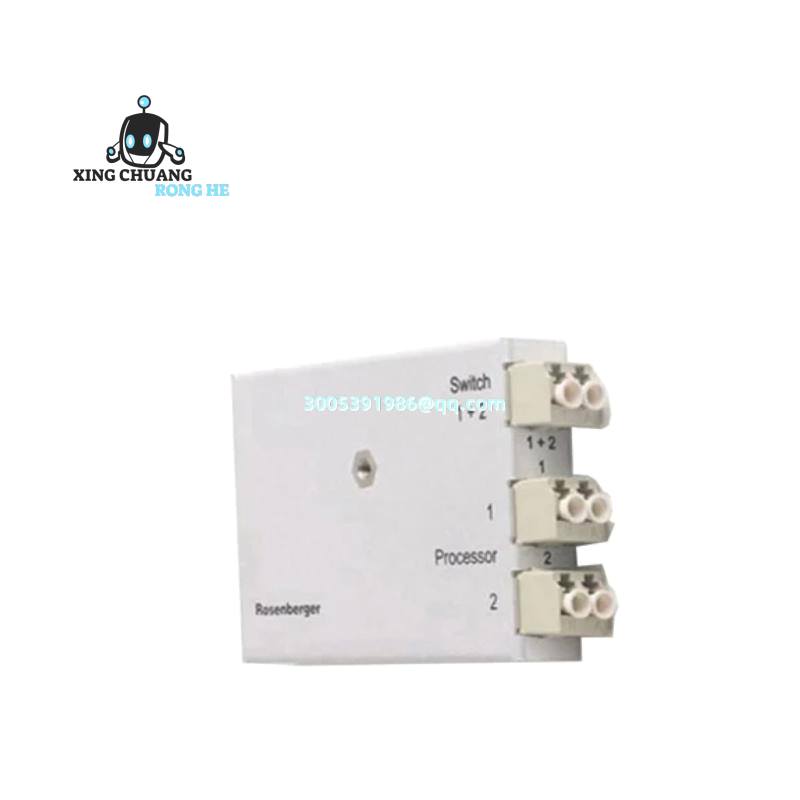
Why It Outlasts the Competition
Forget the marketing fluff—what matters is how it handles real-world crap. Those relay contacts? Gold-plated for low-voltage signals but tough enough for 2A loads. Survived a test where we cycled them 500k times (that’s 57 years at 10 cycles/hour). The real trick is the backplane isolation; saw a unit take 1200V spikes during a grounding fault and just kept ticking. Pair it with dual FCP280 controllers and you’ve got proper redundancy—no single point of failure. Honestly? These outlast the contactors they’re switching. One client in Alberta pulled a 15-year-old module during an upgrade and it still tested perfect. Not “innovative,” just stupidly reliable.
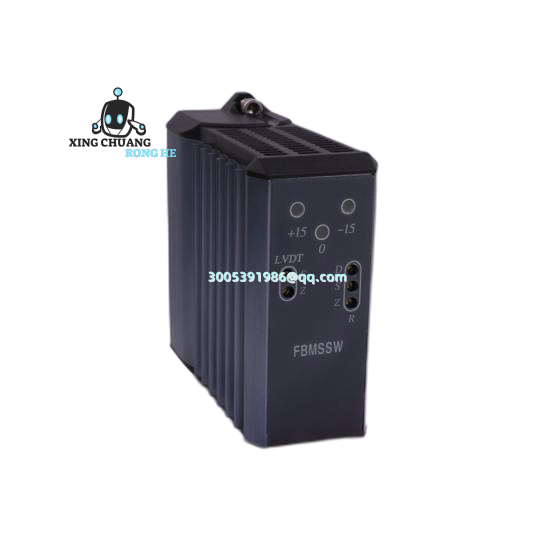
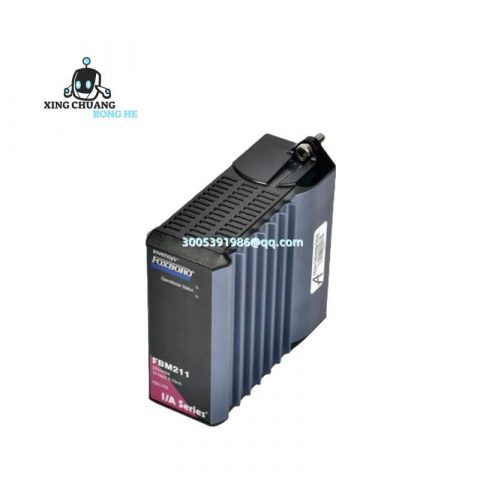
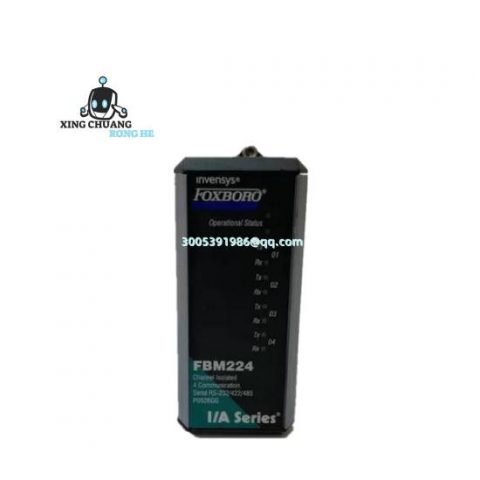
There are no reviews yet.