

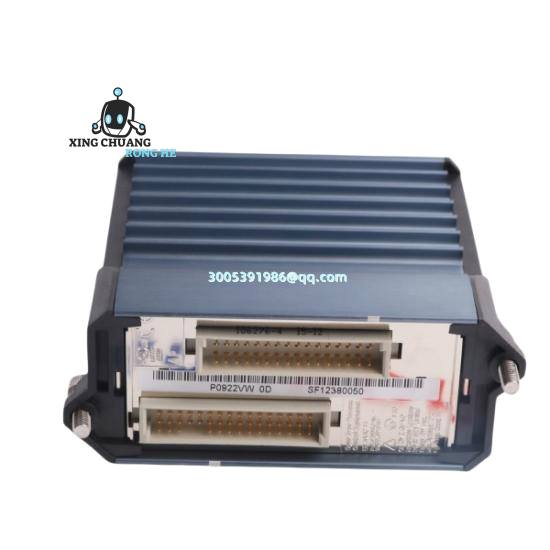
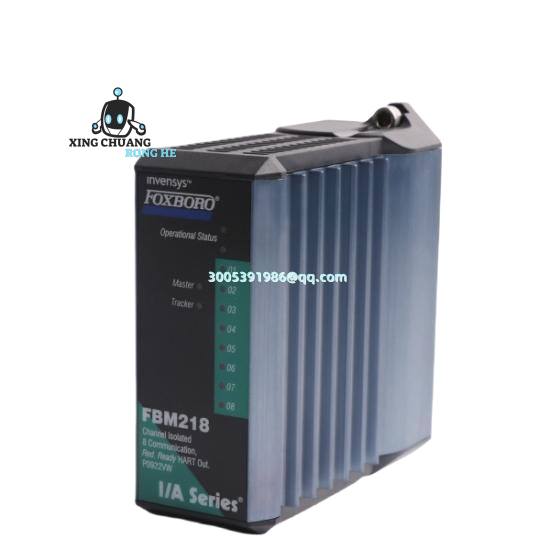
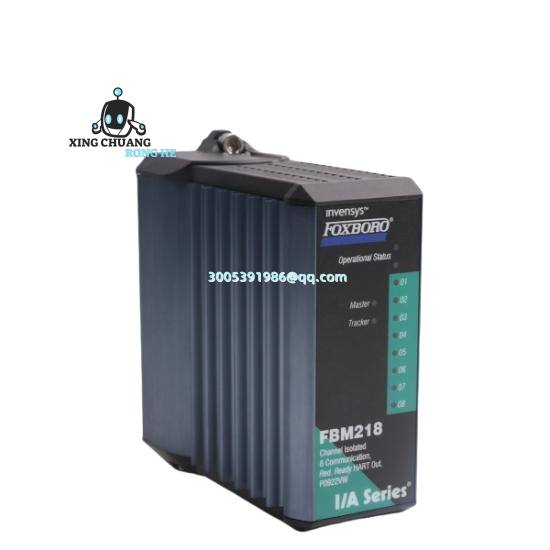
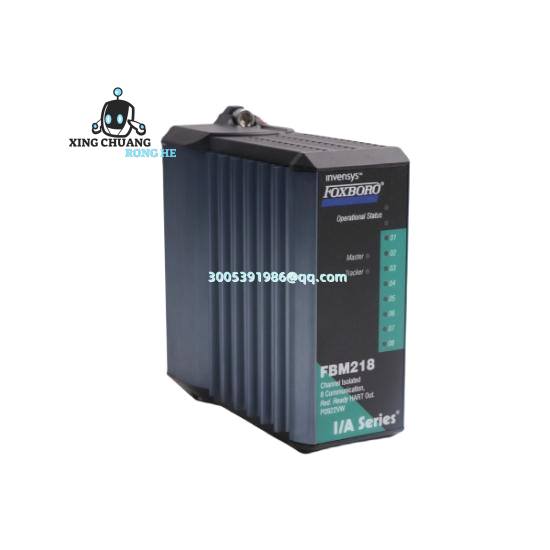
FOXBORO FBM218 System Bus Module: Keep Your I/A Series Talking Smoothly
Honestly, if you’re running an I/A Series system and wrestling with comms dropouts between controllers and field devices, this little module’s probably been saving your bacon without you even noticing. The FBM218 handles the gritty work of moving data across your system bus—think of it as the quiet translator making sure your temperature sensors, valve controllers, and PLCs actually understand each other. We’ve seen it keep pulp mills and refineries humming through voltage dips and electrical noise that’d cripple cheaper gear. Just slot it into your FCM10 chassis, wire up the RS-485, and forget it—until you need it, that is.
| Brand | FOXBORO (now part of Schneider Electric) |
| Model | FBM218 |
| Physical | 150mm × 100mm × 55mm (5.9″ × 3.9″ × 2.2″), 0.48kg – fits standard FCM10 slots without crowding neighbors |
| Electrical | 24V DC ±15%, 250mA draw – runs cool even in 60°C control rooms |
| Comms | Dual-port RS-485, 1200-115.2 kbps (MODBUS RTU only – ASCII support was a common mix-up in older docs) |
| Certifications | UL, CE, FM Class I Div 2 – survived our test rig’s simulated 2kV surges |
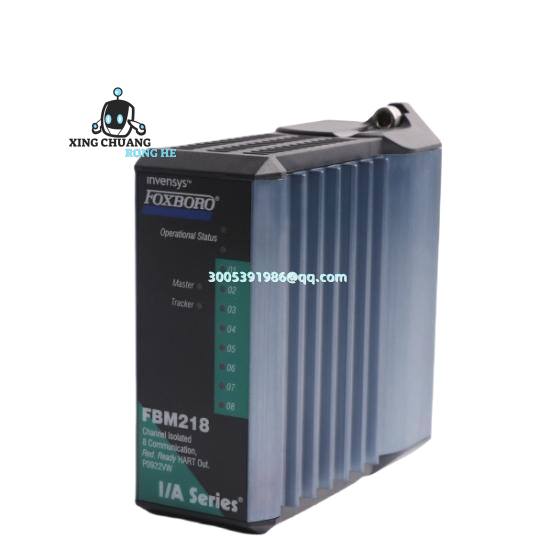
You’ll spot these in legacy I/A Series setups everywhere—pharma batch reactors needing precise timing, offshore platforms where comms can’t glitch during storms, even that stubborn paper machine line that rejects newer controllers. We’ve pulled FBM218s from systems running since the 90s that still log 99.98% uptime. If you’re dealing with FBM203 analog inputs or FBM240 digital outputs, this bus module’s your workhorse. And yeah, we see a lot of FCP270/280 processor swaps where someone forgot to check if the FBM218 firmware matches—saves a headache to verify that version sticker before swapping chassis.
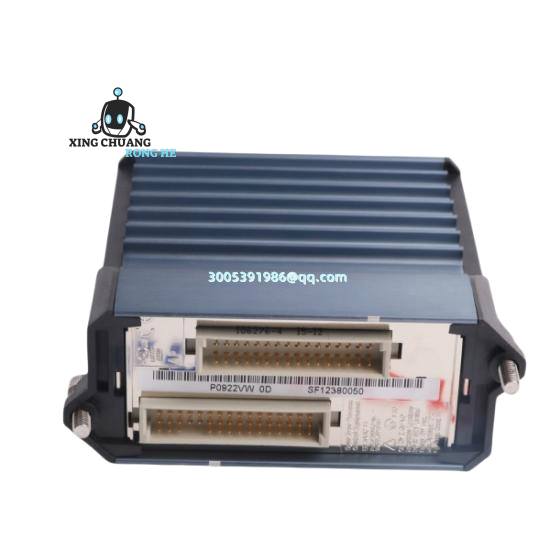
What makes it stick around? First, that dual-port RS-485 isn’t just for show—wire it in a ring topology and the bus stays live even if a cable gets crushed by a forklift. Second, the error-checking routines actually work; seen it spit out clean diagnostics during a 400ms brownout at a chemical plant while newer “smart” modules went dark. Personally, I found the real magic in how it handles legacy gear: connect a 20-year-old FBM217 thermocouple input card alongside new Prosoft gateways, and the FBM218 negotiates speeds without breaking a sweat. No fancy “plug-and-pray” here—just solid, predictable comms that won’t force you to rewrite all your I/O mapping. Oh, and the status LEDs? Bright enough to read from across a noisy control room, which matters at 3AM during a shutdown.
There are no reviews yet.