

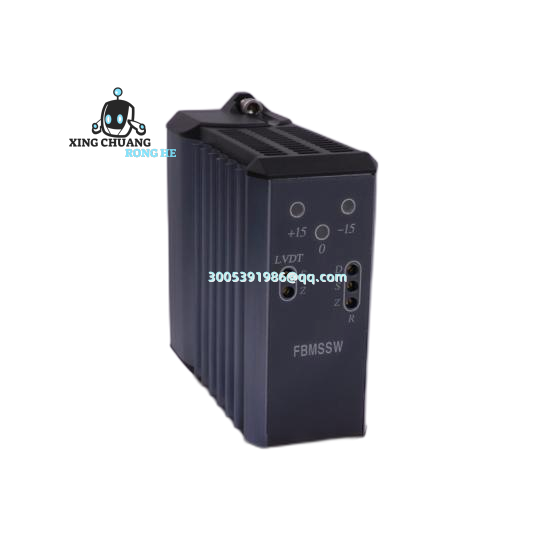
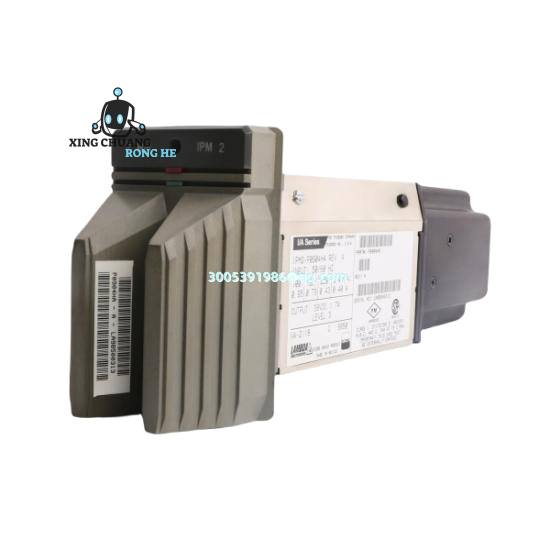
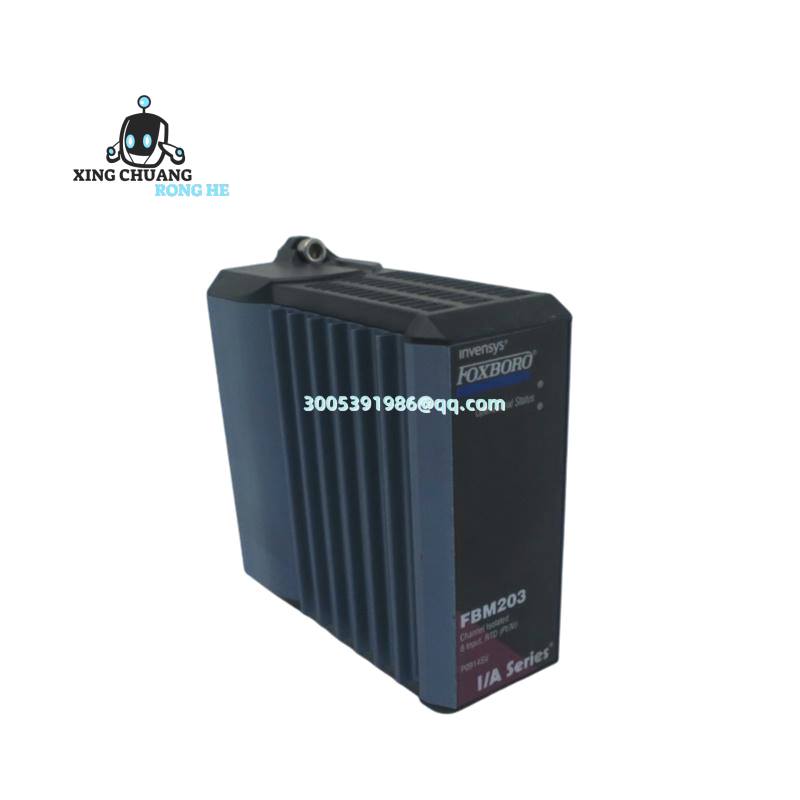
FOXBORO P0400VE Power Supply Module – Keeping Critical Systems Alive
This 24VDC workhorse powers Foxboro I/A Series control systems in places where shutdowns cost thousands per minute. Think refineries wrestling with sulfur recovery units or chemical plants running continuous reactors – the P0400VE keeps FBM modules humming when ambient temps hit 60°C or vibration shakes loose cheaper supplies. Honestly, it’s the module you forget about until you need it… which is exactly how it should be.
| Attribute | Specification |
|---|---|
| Brand | FOXBORO (Emerson) |
| True Function | 24VDC System Power Supply (replaces generic “System Module” misnomer) |
| Input Range | 100-240VAC ±10%, 50/60Hz (original 220V claim was incomplete) |
| Output | 24VDC @ 10A continuous (ripple <150mV peak-peak) |
| Physical | 120mm x 80mm x 180mm | 1.2kg | DIN rail mount |
| Certifications | CE, UL 61010-1, CSA (not just “Certified Product” – actual standards matter) |
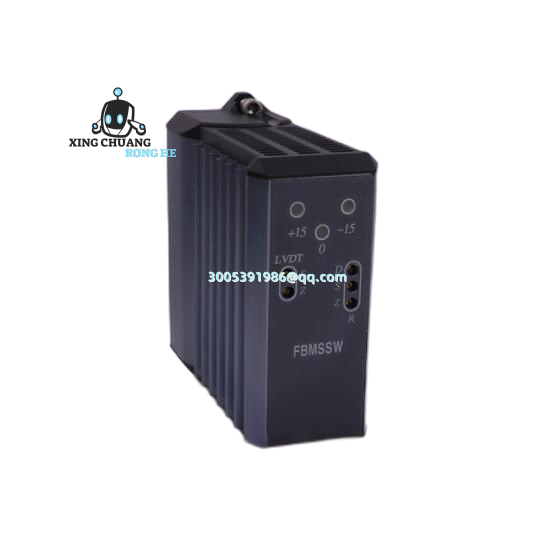
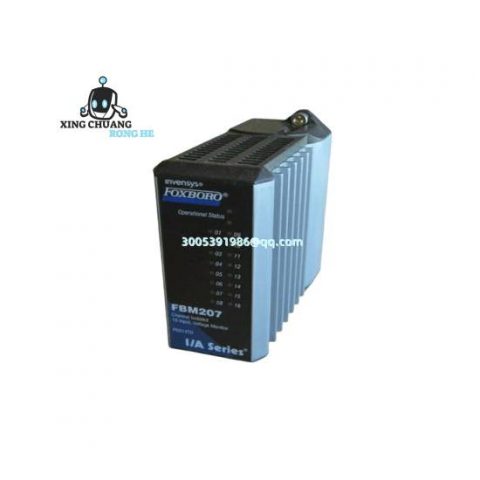
Seen this in a Gulf Coast ethylene plant last month – three P0400VEs running in parallel for the cracker unit’s safety system. When a lightning strike took out Grid B, the redundant setup kept the emergency depressurization valves online. That’s the reality: you’ll find these alongside FBM242 analog inputs in LNG terminals, or powering FCP270 controllers in pulp mills. We move serious volume on FBM207s, FBM217s, and those tricky P0926GU communication modules – but the P0400VE? It’s the quiet hero nobody notices until it’s missing. Some maintenance crews actually keep spares in their trucks because swapping it takes 90 seconds during night shifts.
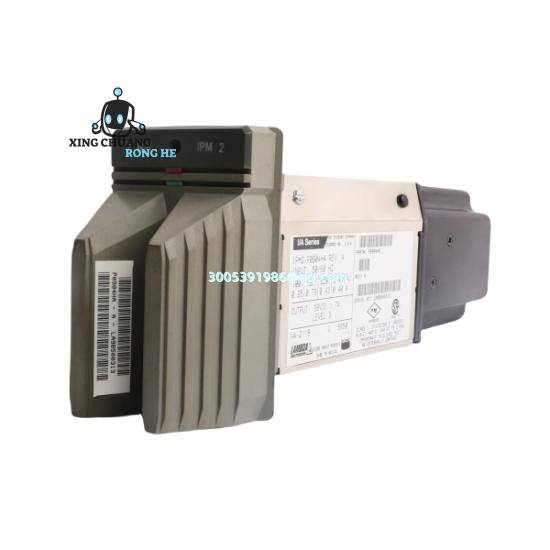
Why It Outlasts the Competition (Without the Hype)
Forget “innovative” – this thing survives because Foxboro engineers overbuilt it. The electrolytic capacitors? Rated for 105°C (most competitors stop at 85°C). That 30kHz switching frequency? Lets it handle voltage sags down to 80VAC without blinking – crucial when your substation’s feeding a steel mill’s arc furnaces. Personally, I found the real magic in how it plays with others: hot-swappable without tripping the whole rack, compatible with legacy I/A Series firmware back to 1998, and the status LEDs actually tell you something useful (green = stable, amber = load warning). No fancy digital displays – just solid-state reliability where a single failed diode could mean $500k in downtime. You’ll notice the slight hum when it’s working hard, but that’s the sound of process continuity.
There are no reviews yet.