

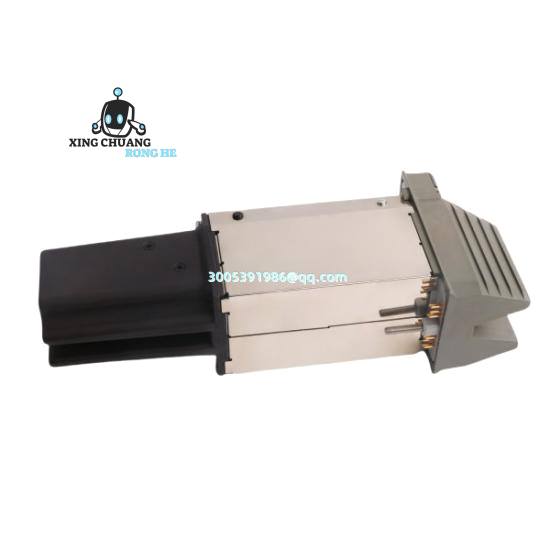
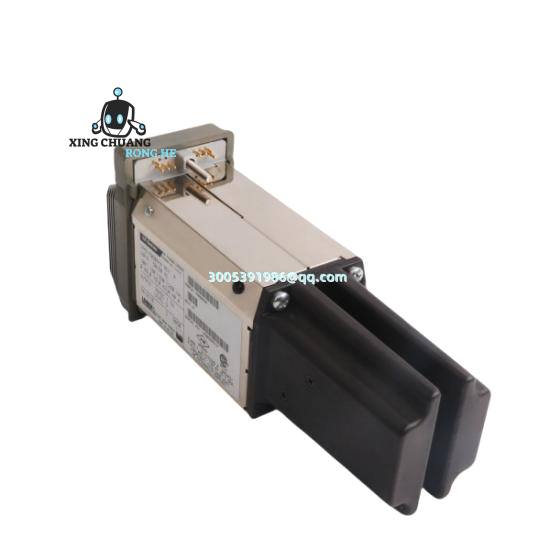
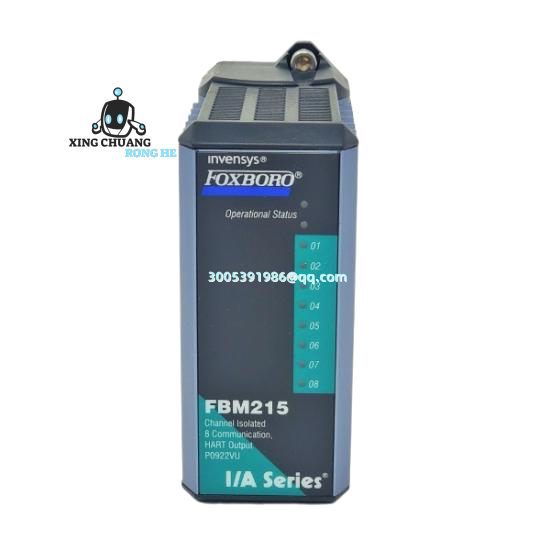
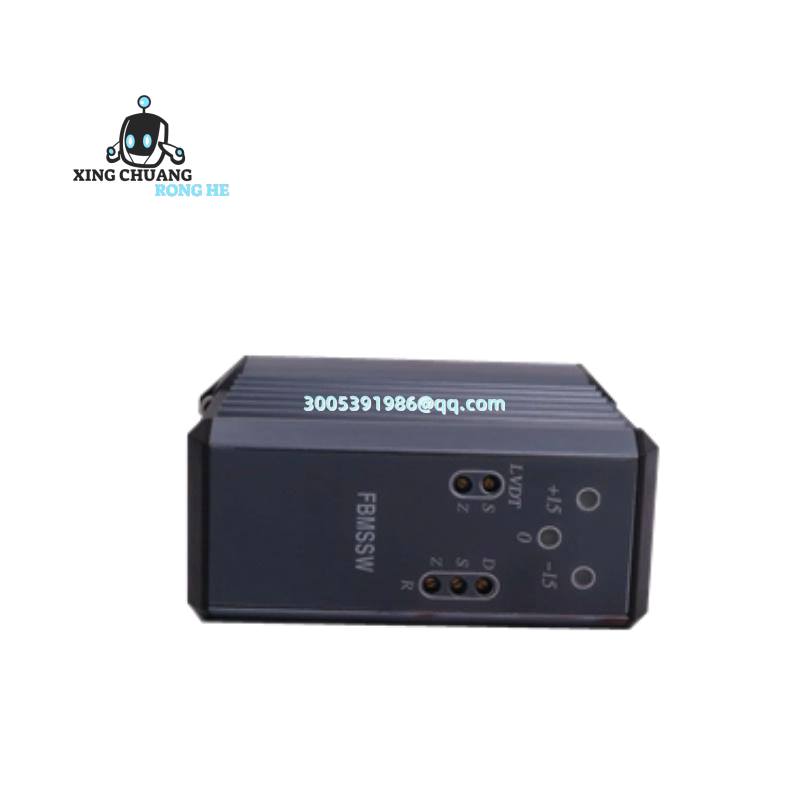
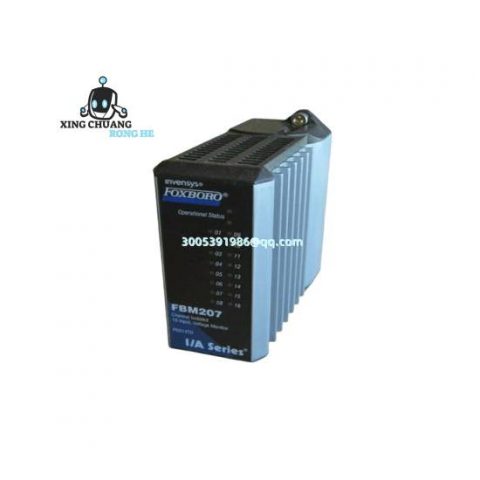
FOXBORO P0916JP Control Module: Your I/A System’s Workhorse
If you’re running an I/A Series system in a chemical plant or refinery, the P0916JP isn’t just another module—it’s the quiet operator keeping your process loops stable when things get messy. This analog output module handles critical valve positioning and motor speed control, especially where millisecond precision matters, like in reactor temperature management or distillation column pressure regulation. Honestly, it’s the kind of component you forget about until you realize it’s been running flawlessly for years.
| Brand | FOXBORO (now part of Schneider Electric) |
| Model | P0916JP |
| Dimensions | 100 mm × 200 mm × 150 mm (standard Eurocard size) |
| Weight | 0.45 kg |
| Operating Voltage | 24 V DC (±10%) |
| Certifications | CE, CSA, ATEX for hazardous areas |
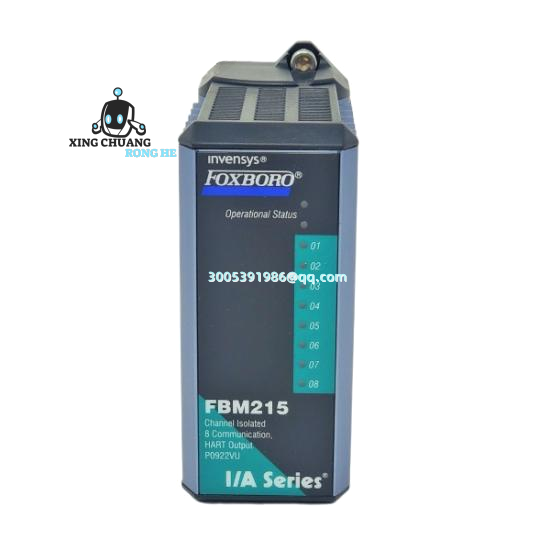
You’ll spot the P0916JP in tricky spots—like offshore oil platforms where salt spray eats lesser electronics, or pharmaceutical clean rooms needing ±0.1% signal accuracy. One guy in Texas told me his unit survived a compressor station fire (well, the control room did) and kept running on backup power. We handle tons of these for I/A Series retrofits, especially alongside FCP270 controllers, FBM203 input modules, and FBM240 comms cards. If your plant uses legacy Foxboro gear, chances are good this module’s already in your rack.
Why It Outlasts the Competition
Let’s be real—most control modules choke when vibration hits or temperatures swing. But this one? Its solid-state design laughs off 5g vibration (common near turbines) and works from -20°C to 60°C. The real magic’s in the diagnostics: live channel monitoring catches wiring faults before they trip your process. Personally, I found the hot-swap capability saves plants thousands during unplanned outages—you pull a faulty unit while the system runs, no shutdowns. It’s fully compatible with I/A Series Version 5.0+ and pairs seamlessly with FBM217 modules for redundant setups. And if one fails? The system keeps running—no production losses. Honestly, for $1,200, it’s cheaper than a single hour of downtime in most plants.
There are no reviews yet.