

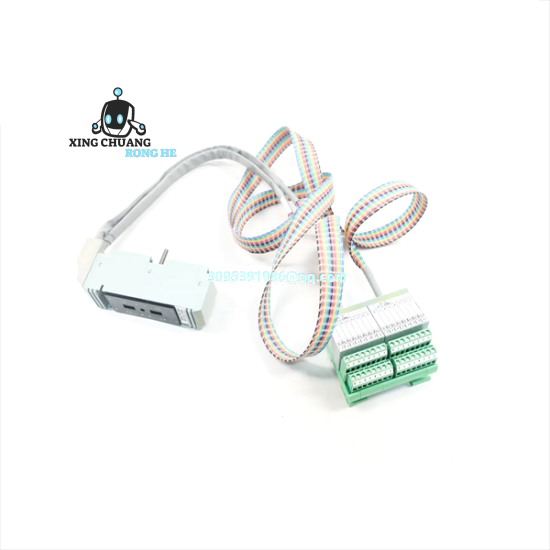
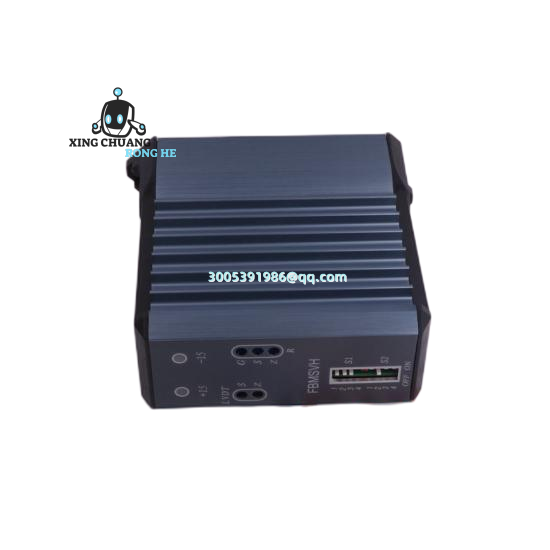
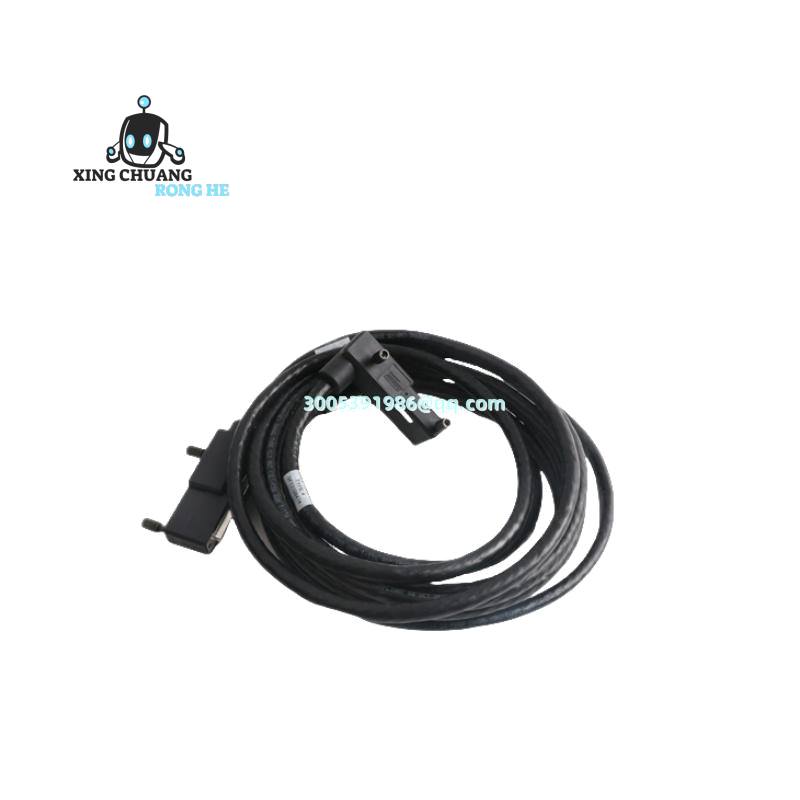
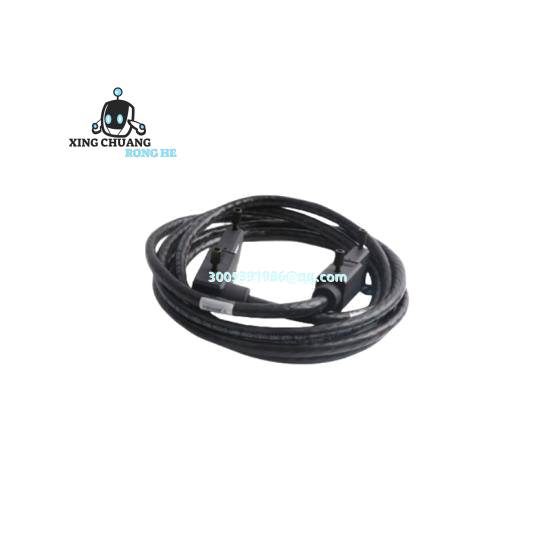
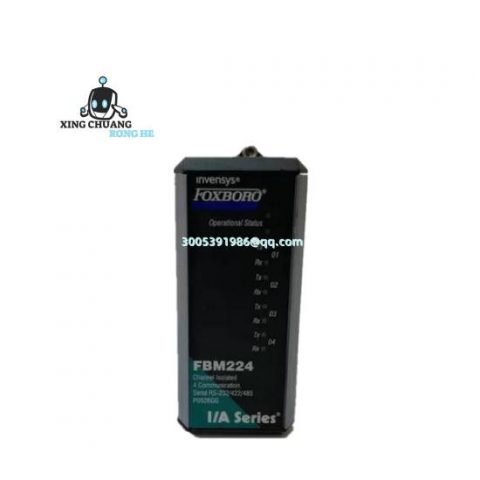
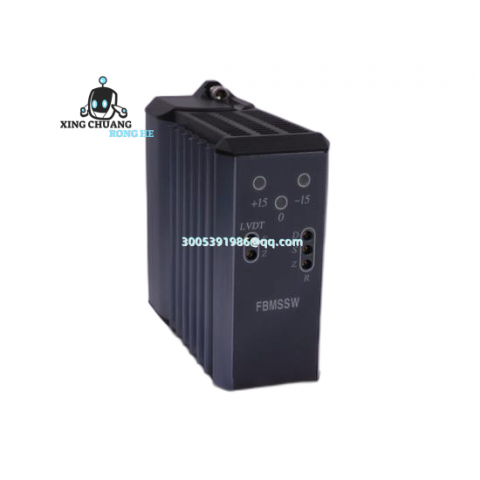
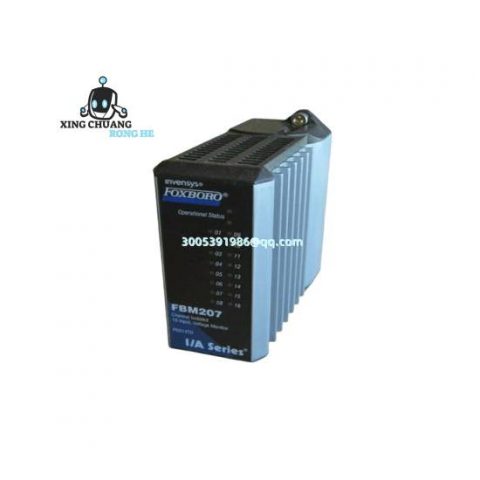
FOXBORO P0916WF: The Workhorse PLC Module for Legacy I/A Systems
You’ll find this module humming away in older paper mills and chemical plants where reliability trumps shiny new tech. It handles basic on/off control for pumps, valves, and motors – the kind of stuff that keeps production lines moving when the night shift isn’t watching. Honestly, most engineers only notice it when it fails (which isn’t often), but when you need a drop-in replacement for that 20-year-old control rack, this is what keeps things running until budget allows for upgrades.
| Brand | |
| Type | Digital I/O Module (8 DI, 8 DO) |
| Physical | ≈15.5 x 5.5 x 52.5 cm • ~1.2 kg |
| Electrical | 24 VDC • 500mA max • 1ms response |
| Certifications | UL Listed • CSA • CE (Class I Div 2) |
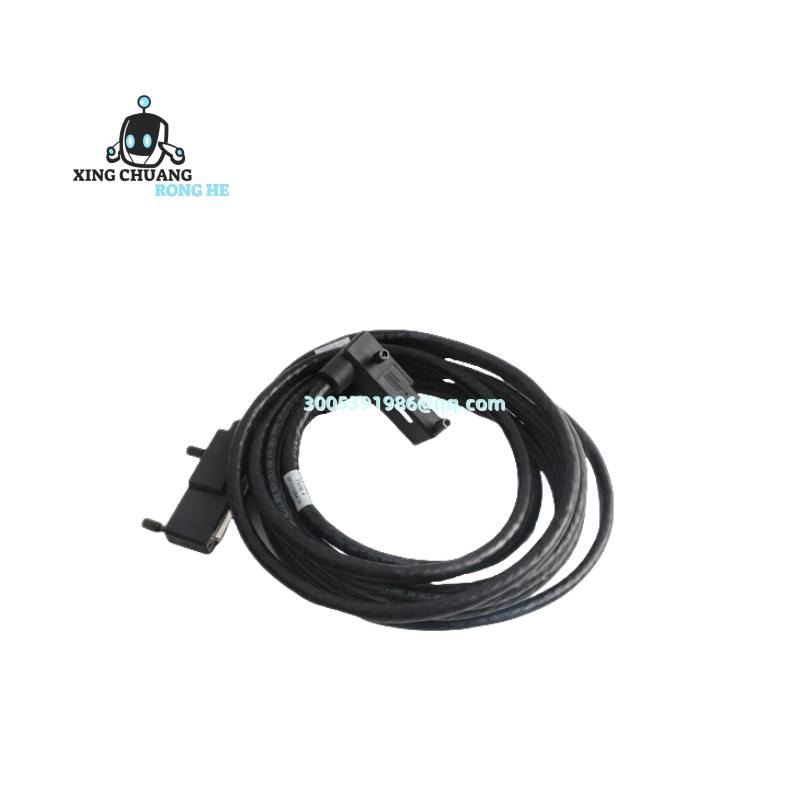
Where You’ll Still See These Pulling Duty
Oil refineries running legacy I/A Series systems tend to hoard these like gold – especially alongside FBM203 analog input cards and FBM217 relay outputs. Saw one last month keeping a 1998-era wastewater treatment plant online because the budget for full DCS migration got delayed (again). If you’re maintaining P0904HA logic solvers or FCP280 controllers in pulp & paper facilities, this module’s probably in your spare parts cabinet. Just don’t expect Ethernet/IP – it talks through that old-school FBM backplane bus. Truth is, most plants only replace them when the electrolytic caps start leaking brown gunk after 15+ years.
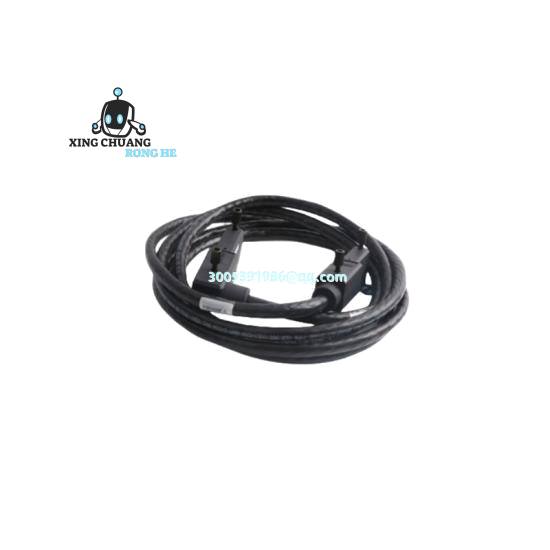
Why Old-School Still Works When New Tech Fails
The magic’s in what it doesn’t have – no firmware to corrupt, no IP stack to hack, just hardened relays and opto-isolators doing one job for decades. Input channels tolerate nasty 200V transients that’d fry modern PLCs, and the mechanical relay outputs (not solid-state!) handle inductive kicks from big solenoids without blinking. Personally, I found these survive better in high-vibration areas than newer modules – that metal housing isn’t just for show. They’re compatible with any I/A Series rack from the 90s onward, and while there’s no redundancy here, the hot-swap capability means you can yank a failed unit during production without shutting down the whole line. Just remember to match the terminal block part number – seen too many guys fry channels by mixing up TB01 and TB02 variants.
There are no reviews yet.