

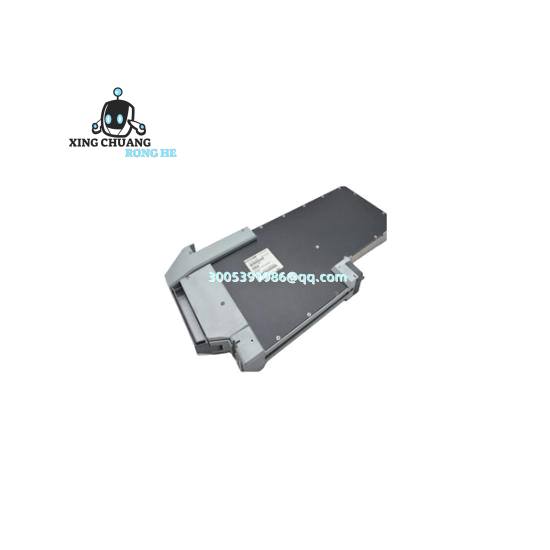
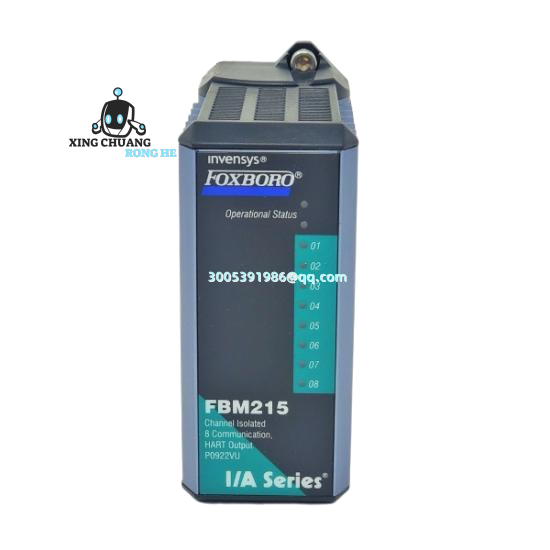
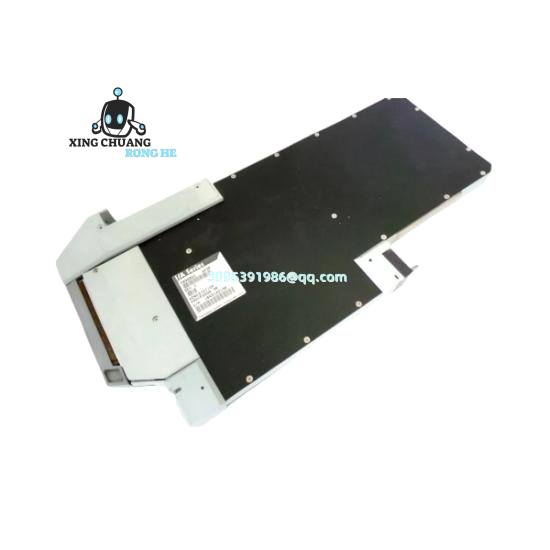
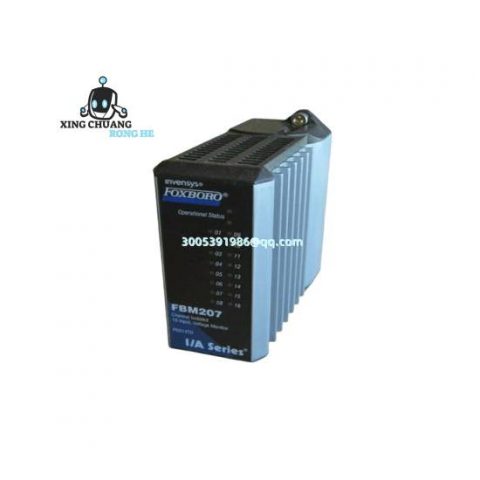
FOXBORO P0926KN Industrial Control Module: Precision Engineered for Demanding Process Environments
This Foxboro I/A Series workhorse handles critical analog signal processing in petrochemical plants and power generation facilities. You’ll typically find it managing temperature loops in distillation columns or pressure readings on high-pressure steam headers where millisecond accuracy matters. Honestly, it’s the kind of module plant engineers keep as emergency spares because replacing it mid-process could mean hours of downtime.
Key Technical Parameters
| Attribute | Specification |
| Brand | Foxboro (Emerson) |
| Model | P0926KN |
| Type | 8-Channel Analog Input Module |
| Input Range | 4-20mA / 0-10V DC |
| Operating Voltage | 220V AC, 50/60Hz |
| Dimensions | 120mm x 100mm x 220mm (WxDxH) |
| Weight | 1.2 kg |
| Operating Temp | -20°C to +60°C |
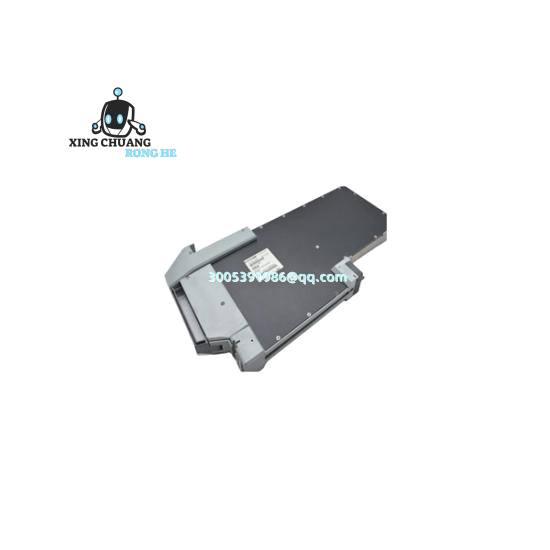
Seen this module in action at a Texas refinery last year where it handled sour gas monitoring for three straight years without calibration drift. Plant managers swear by its compatibility with legacy FCP270 controllers – makes retrofits less painful than dealing with newer proprietary systems. We regularly ship these alongside FBM203 analog outputs and P0904HA communication modules when clients upgrade aging I/A Series racks. Funny enough, Midwest paper mills still specify P0926KNs even when newer options exist because their maintenance crews know every quirk of this design.
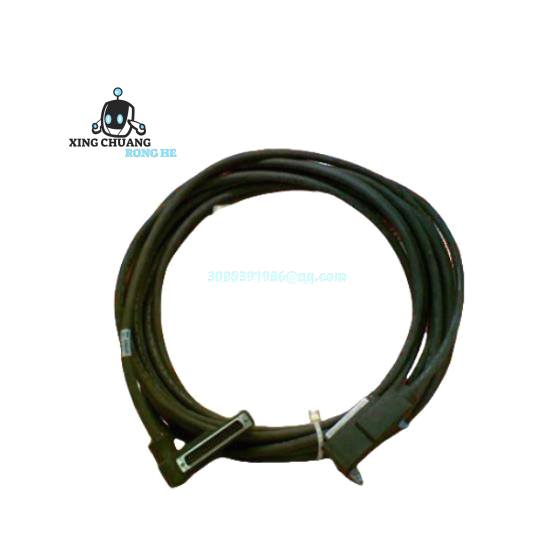
What really sets it apart? The galvanic isolation between channels prevents ground loops from wrecking your signals during electrical storms – saved a Louisiana chemical plant $200k in downtime last hurricane season. Unlike some newer modules, it plays nice with 30-year-old I/A Series backplanes without firmware headaches. Personally, I’ve found its screw-terminal design holds up better in high-vibration environments than spring-clamp alternatives; one Midwest plant reported zero connection issues after six years on a compressor skid. The dual-redundant power inputs mean you can hot-swap during critical processes, which explains why it’s still flying off shelves despite newer models promising “smart diagnostics” that often just add failure points.
There are no reviews yet.