

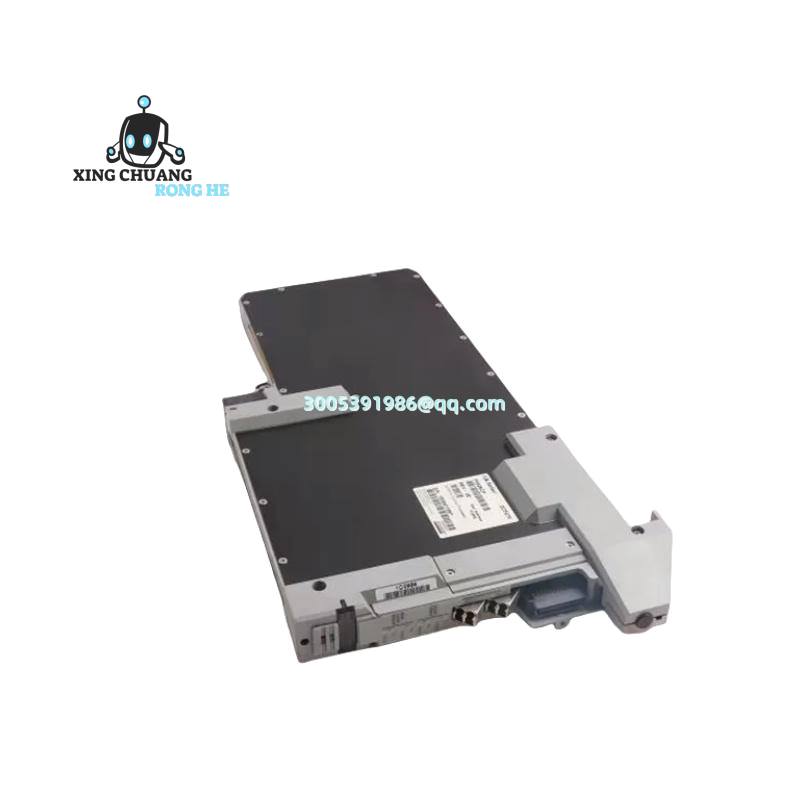
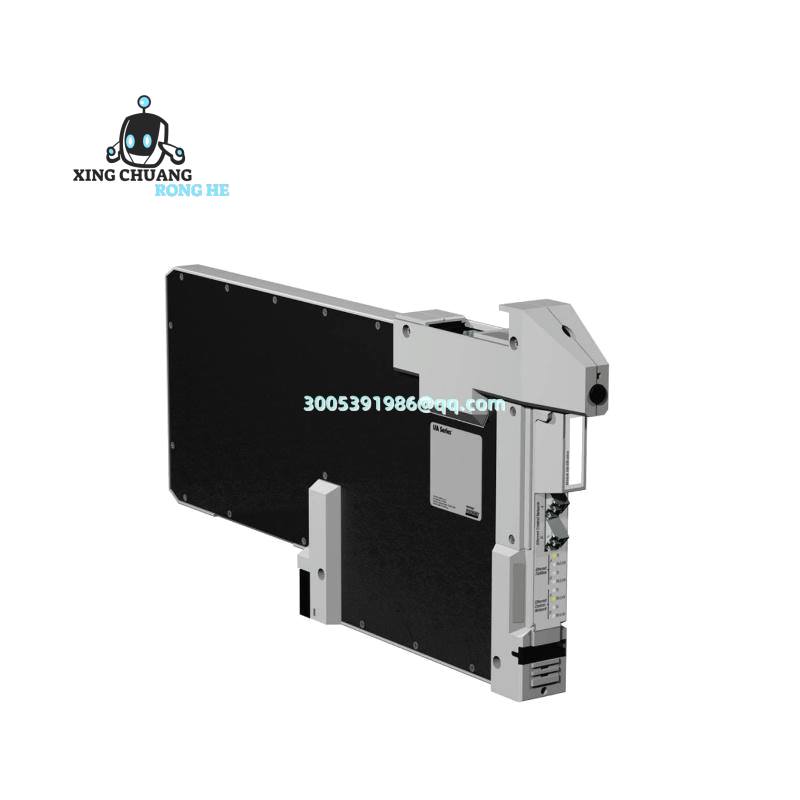
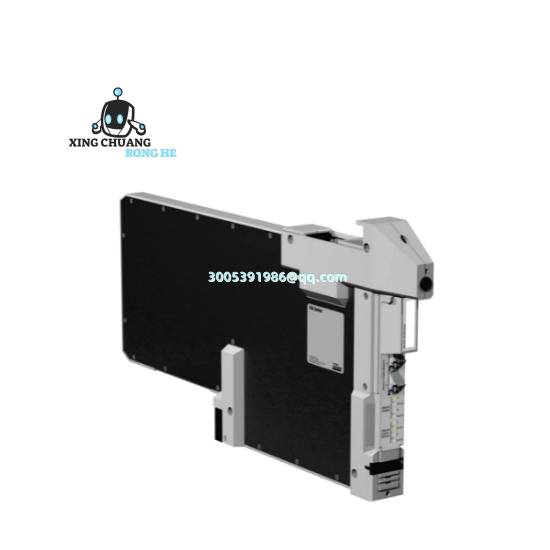
FOXBORO FCP270 Control Processor – The Workhorse of I/A Series Systems
So you need a control processor that won’t flake out during a critical batch run? The FCP270 (not ZCP270 – common typo, happens all the time) handles real-world process control in pulp mills, refineries, and chemical plants where a glitch means thousands down the drain. It’s the brains behind Foxboro’s I/A Series, crunching logic for motor controls, valve sequencing, and safety interlocks 24/7. Honestly, if your plant runs Foxboro, you’ve probably tripped over one of these in a control room cabinet.
| Brand | Foxboro (Emerson) |
| Model | FCP270 (replaces obsolete FCP270A) |
| Dimensions | 150mm x 100mm x 220mm (WxDxH) |
| Weight | 1.2 kg |
| Voltage | 24 VDC ±15% |
| Certifications | CE, FM, ATEX Zone 2 |
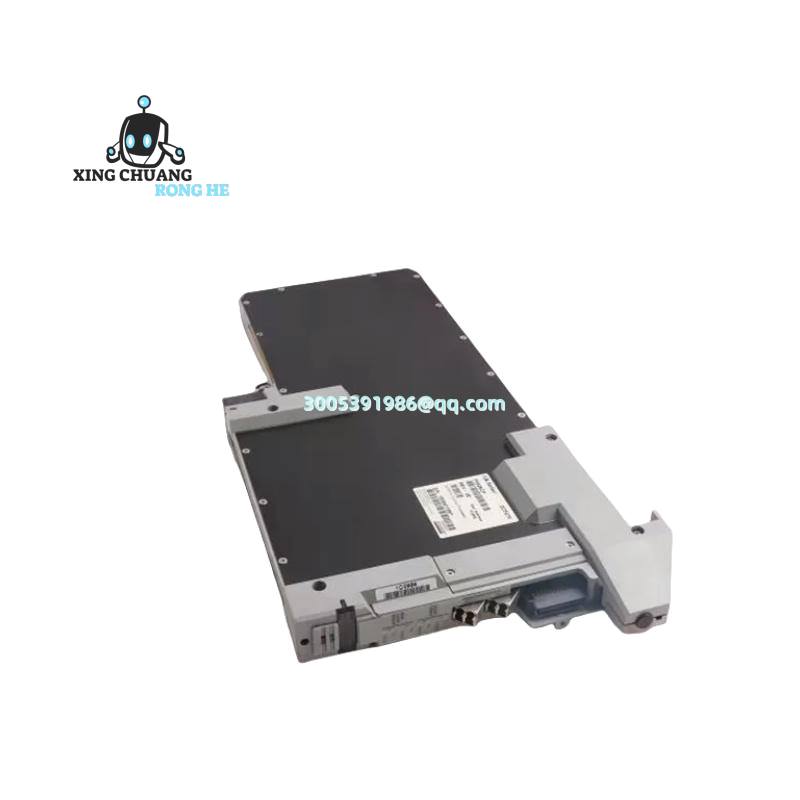
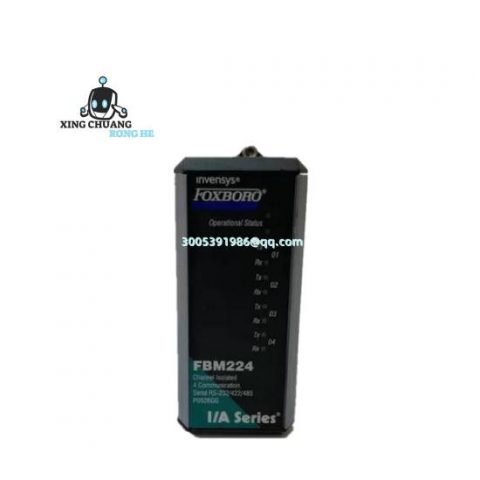
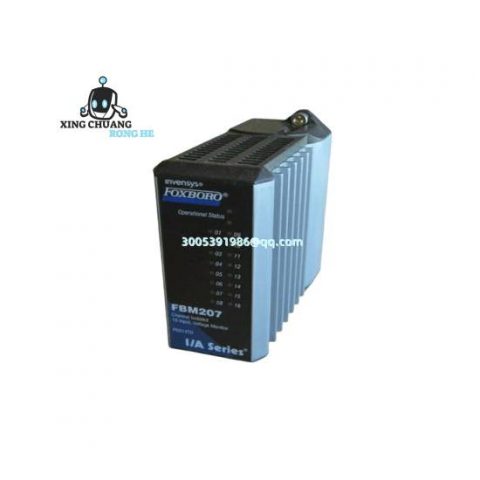
Walk into any 20-year-old chemical plant still running Foxboro, and you’ll likely see FCP270s paired with FBM204 analog input cards or FBM231 relay modules. We’ve pulled these out of units that survived three plant expansions – one in Louisiana even had coffee stains on the label (true story). They’re the backbone for systems like P0904HA controllers handling distillation columns, or working with FCP280s in redundant pairs for critical turbine control. If your site uses I/A Series, you’re probably looking at FCP270, FBM217, or FBM240 modules right now.
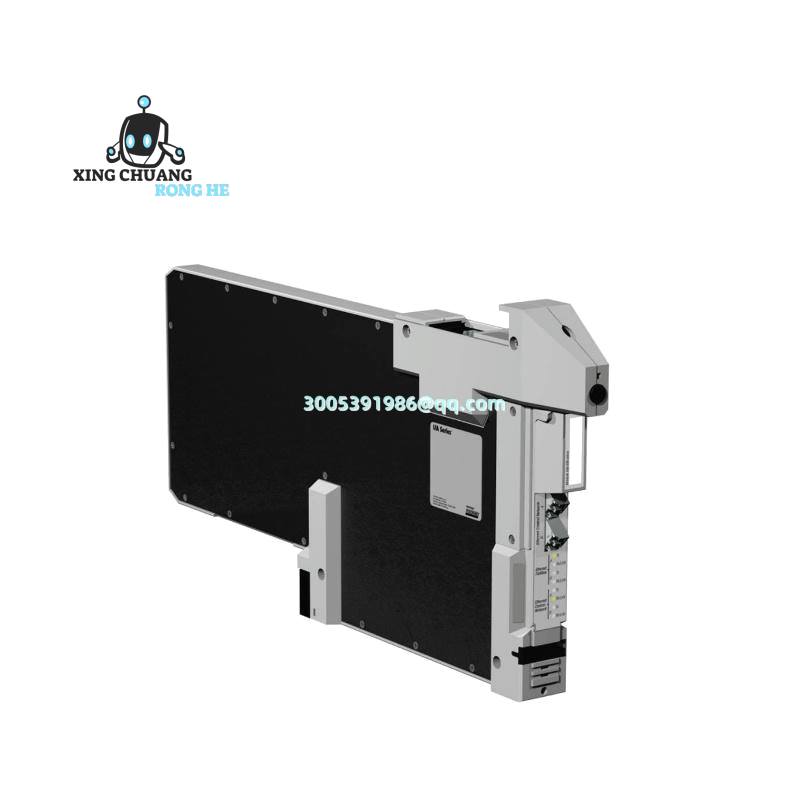
Why it still holds up after 15 years
The magic’s in the redundancy – two FCP270s can run hot-standby so if one controller crashes during a storm (happened to us in ’19), switchover takes under 100ms. No fancy “AI-driven” nonsense here; just solid 80386EX processors handling ladder logic without breaking a sweat. Personally, I found the real win is how it talks to older systems – interfaces cleanly with vintage FBM203 modules or even third-party gear via Modbus. Survived a paper mill’s vibration issues that killed newer PLCs, mostly ’cause Foxboro built these like tanks. Oh, and the status LEDs? Actually tell you what’s wrong instead of just blinking angrily. Small thing, but try finding that on modern “smart” modules.
There are no reviews yet.