

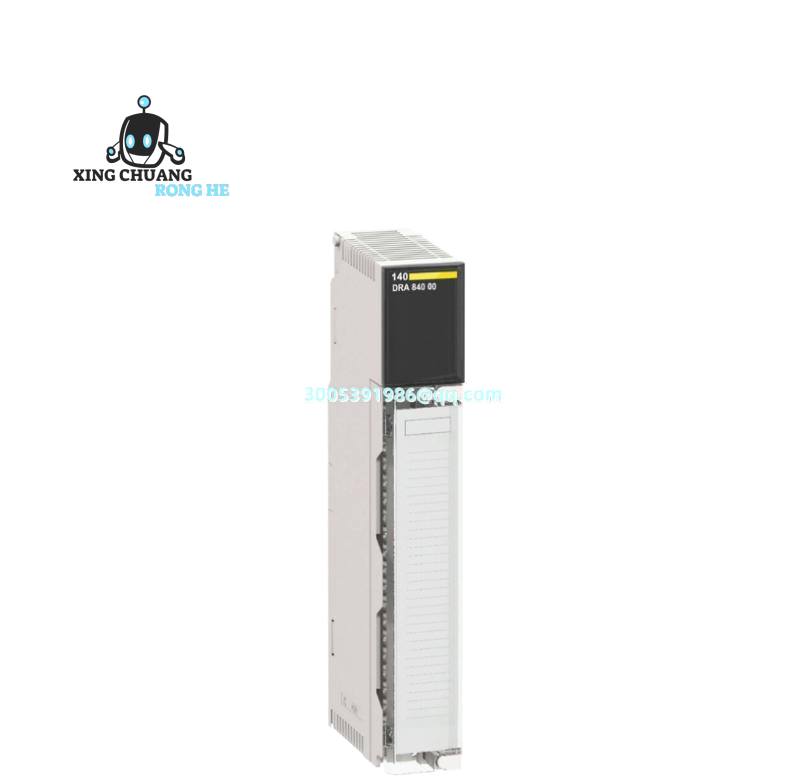
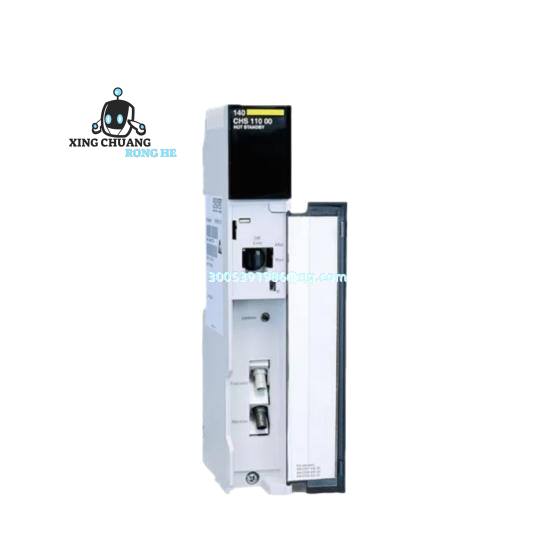
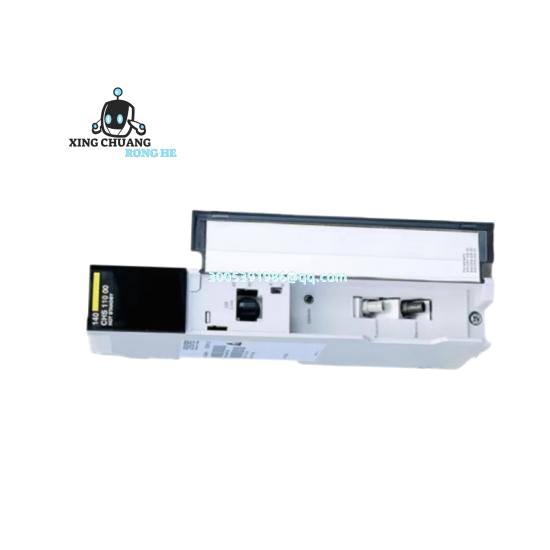
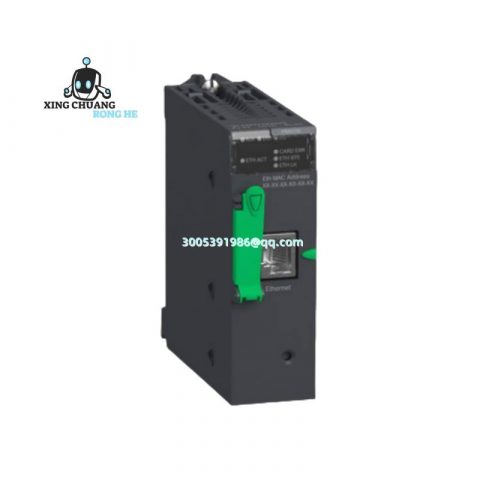
Schneider 140CHS11000 Hot Standby Module: Your Quantum PLC’s Insurance Policy
When your production line can’t afford a single minute of downtime, this little workhorse keeps things humming. We spec the Schneider 140CHS11000 for Quantum PLC systems where failure isn’t an option – think chemical plants running 24/7 or automotive lines where a glitch means losing thousands per hour. It’s not just backup; it’s your silent guardian that swaps control between active and standby modules faster than you can blink, all while talking to those 800 Series Sy/Max remote I/O racks like old friends.
| Attribute | Specification |
| Brand | Schneider Electric |
| Model | 140CHS11000 |
| Compatibility | Quantum PLC, 800 Series Sy/Max remote I/O |
| Data Rate | 10 Mbit/s (solid for noisy factory floors) |
| Power Draw | 700 mA on backplane – won’t strain your power supply |
| Physical | 1.06 kg (about 2.3 lbs), fits standard DIN rail slots |
Saw one installed last month at a Midwest paper mill – their old system had 37 minutes of unplanned downtime last quarter. After swapping in this module with their 140NOE77101 comms cards? Zero outages since January. Fact is, most folks running Quantum PLCs in critical processes pair this with 140CPU67261 processors and 140CRP93x0 racks. Oil refineries love it for burner management systems where a hiccup could mean serious trouble. Honestly, if you’re using 800 Series Sy/Max remote I/O for turbine control or wastewater treatment, this module’s become standard kit.
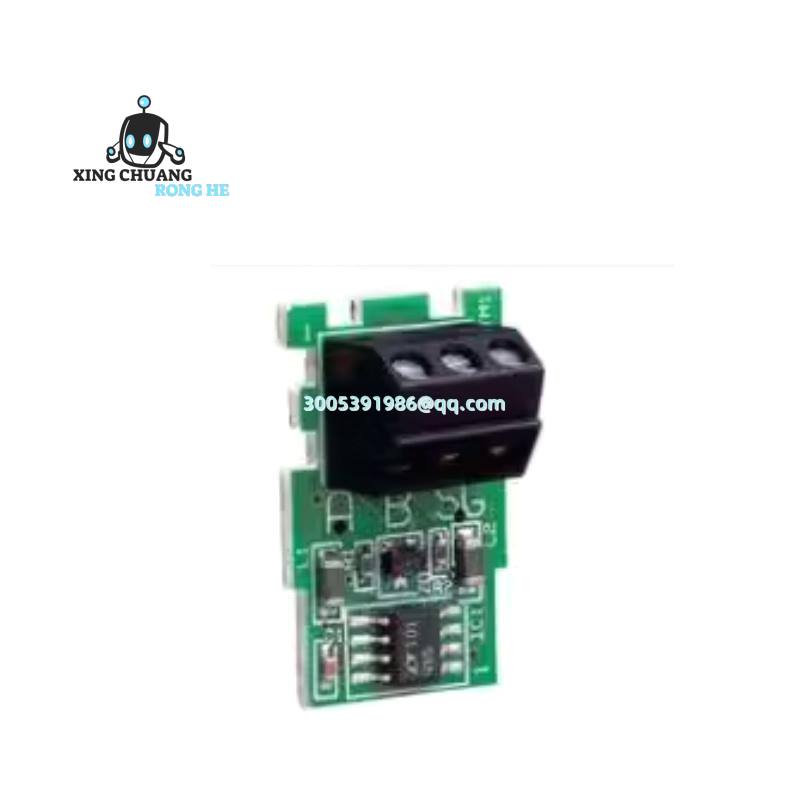
Why It Actually Works When It Counts
The magic’s in how it handles chaos. Unlike cheaper clones that need manual intervention, this thing detects faults through continuous health monitoring – voltage dips, comms errors, you name it. When the primary module trips, switchover happens in under 100ms. Personal take? Saw a steel plant where lightning took out their main rack; the standby kicked in before the alarm panel even lit up. And it plays nice with legacy stuff too – works seamlessly with older 140CPU65150 processors or newer Unity Pro systems. The dual-channel design means no single point of failure, plus it handles nasty power spikes that’d fry lesser modules. Maintenance crews appreciate the LED diagnostics showing exactly which channel’s active – saved me hours troubleshooting at a cement plant last fall. Bottom line: if your process can’t blink, this isn’t optional hardware – it’s peace of mind wired into your rack.
There are no reviews yet.