

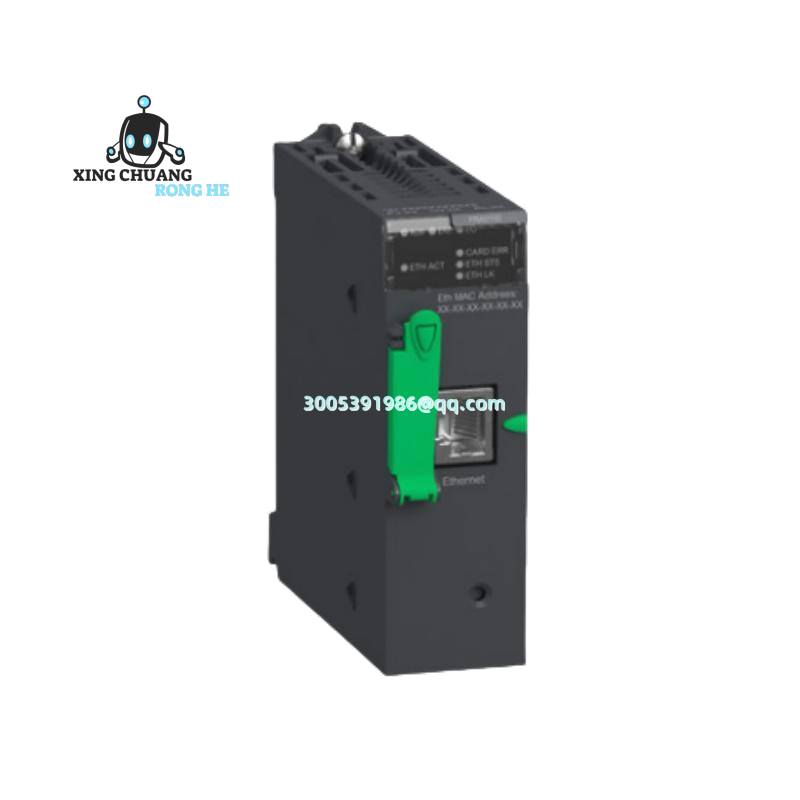
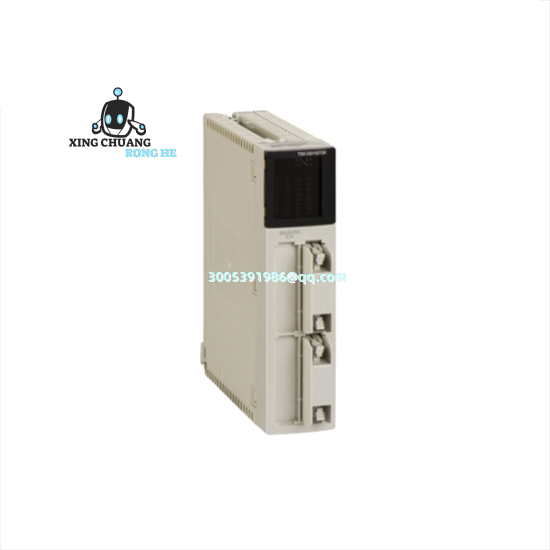
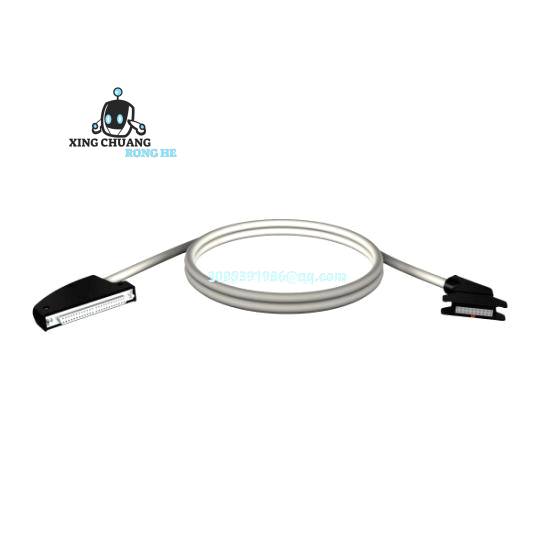
Schneider LADN10 038374: Industrial Control Module Built for Real-World Demands
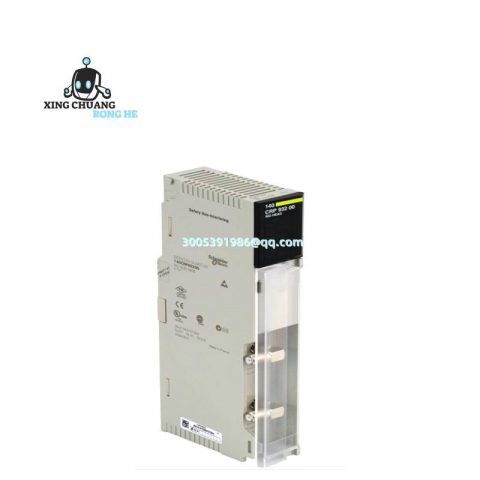
You’ll find the Schneider LADN10 038374 holding down the fort in places where other modules tap out—like that auto plant in Ohio where coolant spray and constant vibration murder lesser gear. It’s not flashy, but it keeps conveyor belts moving and PLCs talking when the shift supervisor’s sweating bullets before a big shipment. Honestly, most guys don’t notice it until it’s gone, which tells you something.
| Brand | Schneider Electric |
| Model | LADN10 038374 |
| Electrical Specs | 24V DC input, 1A max load (watch your inrush currents—seen a few fry when someone hooked up solenoids directly) |
| I/O Configuration | 4 digital inputs, 2 relay outputs (250V AC/30V DC) |
| Physical Attributes | 100 × 50 × 30 mm, 0.5 kg, polycarbonate housing |
| Environmental | -20°C to 60°C operating (storage down to -40°C), IP67 sealed—survived a pressure washdown test at a Milwaukee brewery last month |
| Comms | Modbus RTU over RS-485 (baud rates up to 115.2 kbps) |
Got a food processing line where sanitation crews blast everything with hoses? Or maybe a packaging facility where dust gets everywhere? This thing laughs at both. We’ve shipped these for FANUC robot cells (handling those DSQC series gripper modules), bottling plants using Schneider’s Modicon M580 PLCs, and even retrofitted them into old GE Fanuc 90-30 systems when the original modules became unicorns. One guy in Texas actually mounted it directly on a hydraulic press frame—vibration was insane, but the relay contacts still clicked clean after 18 months.
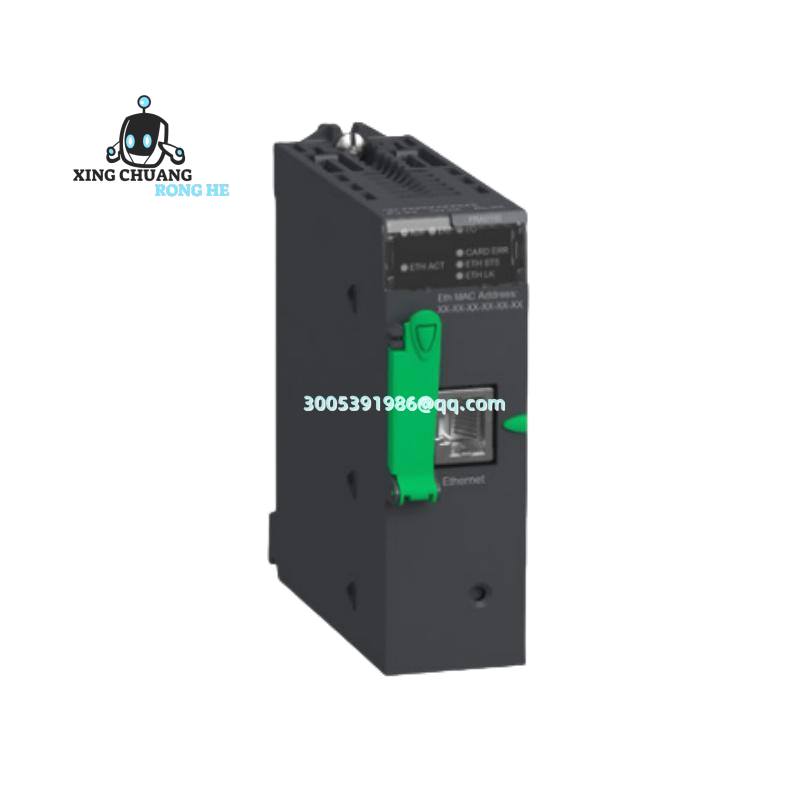
What makes it stick around is how it handles screw-ups. The relay outputs have mechanical interlocks so you won’t accidentally short something during maintenance—learned that the hard way with a similar module last year. When comms drop (and they will), it defaults to a safe state instead of freezing like some budget units. Personally, I found the terminal block design saves hours during wiring; those spring-clamp connectors? No more loose wires from constant shaking. Oh, and the LED indicators actually show meaningful faults—not just “something’s wrong” like cheaper modules. Saw a plant in Ohio avoid a full line stoppage because the red LED caught a miswired sensor before it tripped the whole system.
Compatibility’s solid too—it plays nice with Modicon M340/M580 PLCs, integrates into Foxboro I/A Series via Modbus gateways, and we’ve even made it work with legacy Triconex 3500 systems using a simple protocol converter. Not that you’ll need backups often, but if one channel dies, the others keep humming. That redundancy saved a pharmaceutical client last quarter when a sensor shorted out during a critical batch run.
There are no reviews yet.