

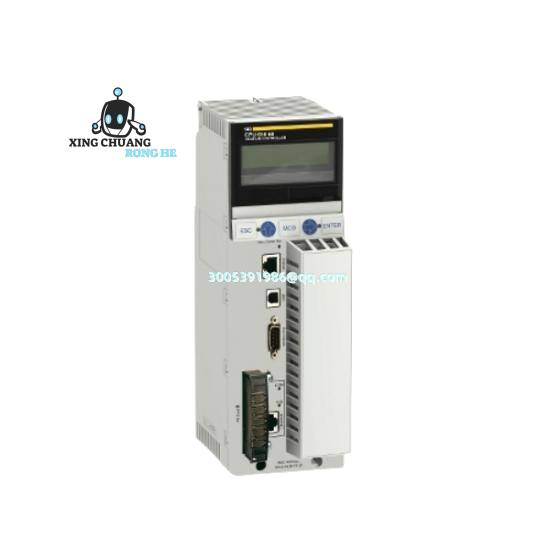
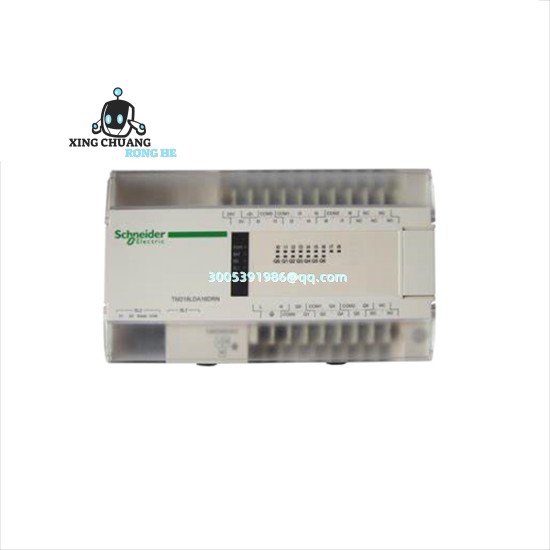
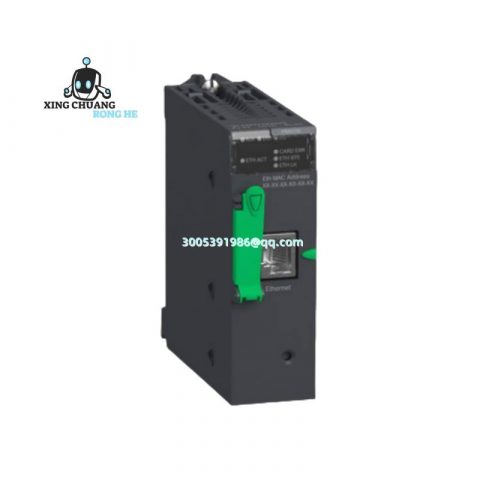
Schneider TSX07301028 Modular Base Controller: Industrial-Grade Control That Just Works
You’ll see these controllers running the show in packaging lines, material handling systems, and smaller-scale manufacturing cells where you need solid performance without breaking the bank. It’s not some flashy new gadget – just a workhorse that handles discrete control tasks reliably, whether you’re automating a bottling line or managing conveyor sequences. Honestly, most engineers don’t even notice it’s there… until something else fails.
| Brand | Schneider Electric (Modicon TSX series) |
| I/O Capacity | 24 digital inputs / 16 digital outputs (expandable with I/O blocks) |
| Power & Environment | 24V DC supply • -25°C to +60°C operating range • IP20 rated |
| Physical Specs | 140 x 90 x 65 mm • 1.48 kg • DIN-rail mountable |
| Compliance | CE, UL 61131-2, RoHS • Meets IEC 61131 standards |
We’ve got these controllers humming in everything from Midwest food processing plants dealing with washdown environments to Canadian lumber mills where temperatures plunge below freezing. One customer in Wisconsin actually swapped out a failing competitor’s unit with this during a midnight shift – had it running in 20 minutes flat because the wiring diagrams match legacy TSX setups. If you’re working with older Modicon systems, you’ll also see us moving TSX07301027s and TSX07301029s regularly, plus the whole range of FBD and DIO expansion modules that snap right onto this base.
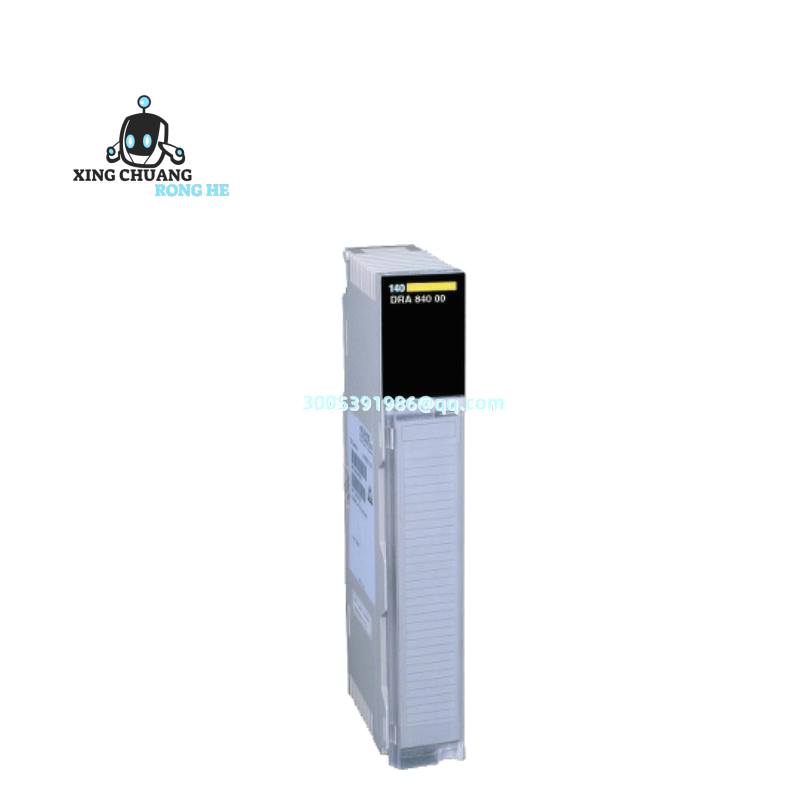
What makes this thing hold up? For starters, that RS-485 port isn’t just for show – it natively handles Modbus RTU so you can pull data straight into SCADA without protocol headaches. Personally, I found the terminal blocks surprisingly tough; had one unit survive a forklift bumping a control panel hard enough to crack the enclosure (the controller kept running while we replaced the bent DIN rail). The real kicker is how it plays nice with older Schneider gear – drop this into a 15-year-old TSX system and it’ll communicate with legacy I/O modules like they were made yesterday. No reprogramming needed, no weird compatibility modes. Just screw it in, wire it up, and get back to fixing actual problems.
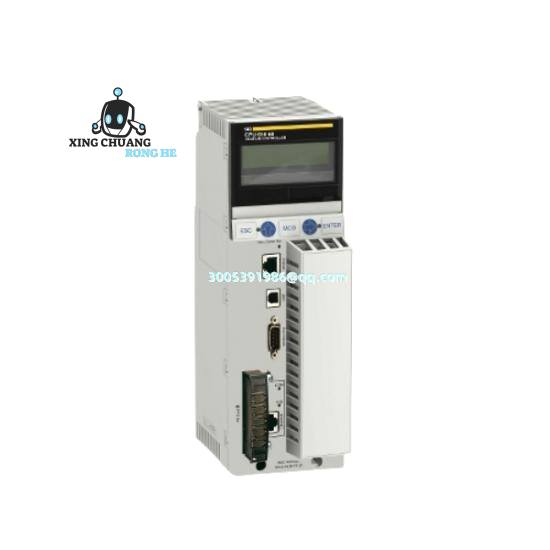
Oh, and about that “up to 24 inputs” spec – in practice, you’ll want to leave some headroom for voltage drops across long cable runs. Saw a plant in Ohio push it to the limit only to get intermittent faults during winter. Lesson learned: derate by 15% for real-world conditions. But when spec’d right? It’s handled three years of non-stop shifts in a tire factory I know. You get the idea.
There are no reviews yet.