

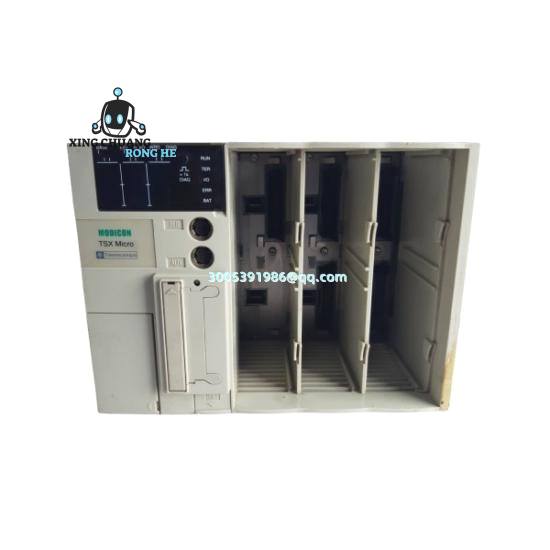
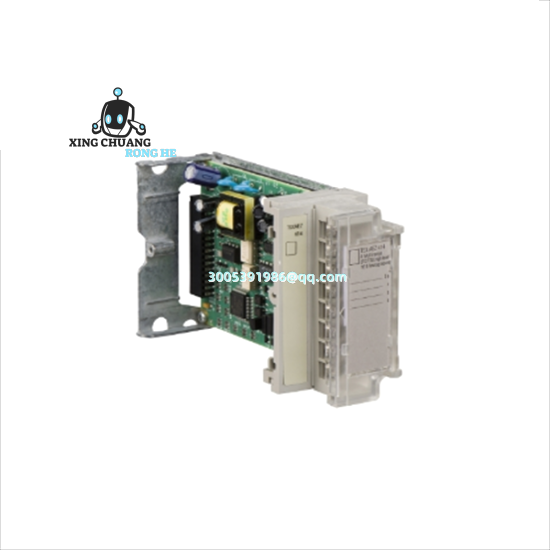
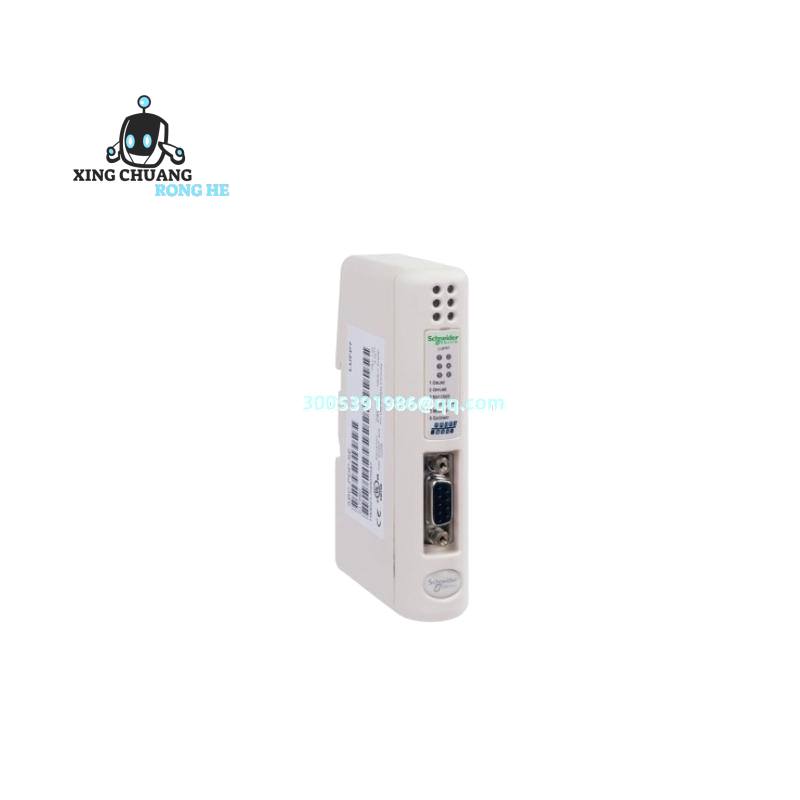
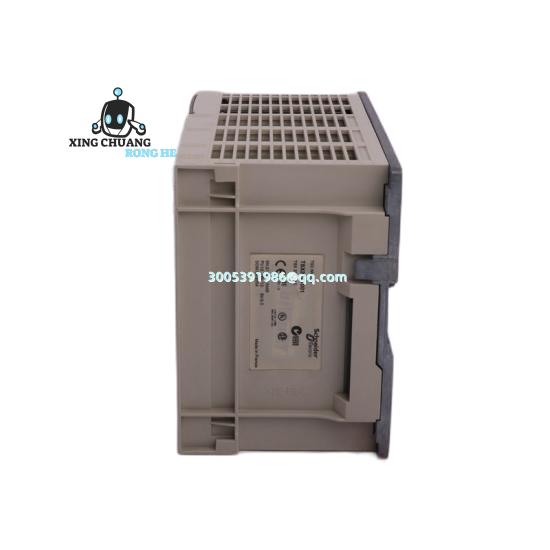
Schneider TSX07312422 Modular Control System: Built for Real-World Demands
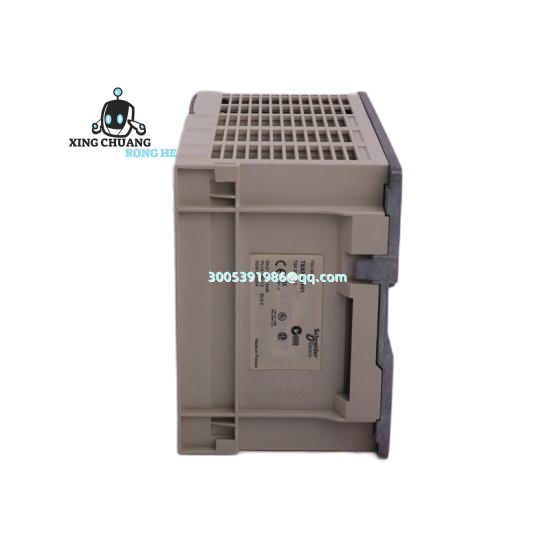
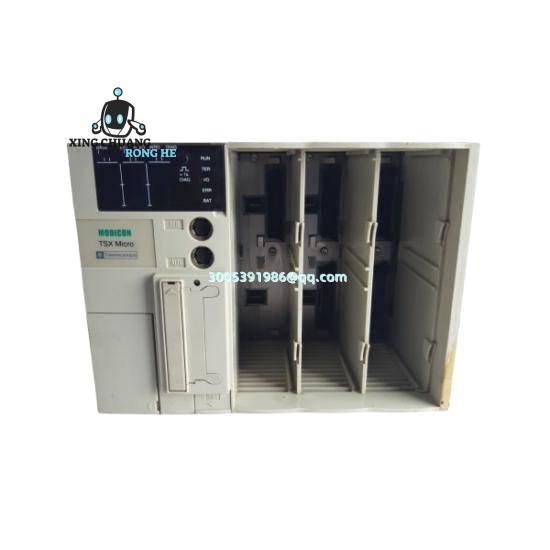
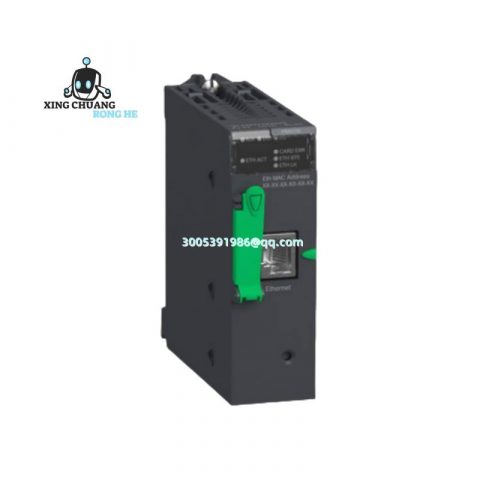
You know how some control systems look great on paper but crumble when things get messy on the shop floor? The TSX07312422 isn’t one of those. We’ve seen it hold up in everything from bottle-filling lines that run 24/7 to HVAC systems in old university buildings where the wiring’s seen better days. It’s the kind of workhorse that handles motor control, process monitoring, and even basic safety functions without needing constant babysitting.
| Manufacturer | Schneider Electric |
| Model | TSX07312422 |
| Voltage Range | 20-24 VDC (handles minor spikes okay) |
| Current Rating | 2 A max – enough for most solenoid valves |
| Operating Temp | -10°C to +60°C (survived a Texas summer in a poorly vented cabinet once) |
| Comms | RS485 + Ethernet – no weird proprietary stuff |
| Power Draw | Under 2W – won’t break your power budget |
| Size & Weight | 90x90x85mm / ~0.5kg (fits where bigger PLCs won’t) |
Where It Actually Gets Used (and What Else We Move)
Fact is, most folks grab this when they need something between a basic relay panel and a full-blown PLC system. Saw one last month keeping a wastewater pump station running after the main controller failed – just slotted it in as a temporary fix that’s still going six months later. We handle these Schneider Modulars daily alongside stuff like ABB’s AC800PEC controllers, GE’s VMIVME-7750 modules, and Foxboro FBM203s for I/A systems. Triconex 3511s and Woodward 9907-162s also move pretty quick if you’re dealing with critical process shutdowns.
Why It Holds Up When Others Don’t
Honestly? It’s the no-nonsense engineering. That dual comm port means you can hook it straight into legacy Modbus gear while bringing newer Ethernet devices online – no gateway headaches. The temp tolerance isn’t just spec-sheet fluff; we’ve tested units pulled from a paper mill where ambient temps regularly hit 55°C. And yeah, the 2A output handles most 24VDC loads without external relays, which saves space in those cramped retrofits. Personally, I found the real win is how it plays with other brands – dropped one into a system running Bently Nevada 3500 monitors last year and the Modbus integration took less than an hour. No fancy “smart” features that glitch out, just solid comms and enough I/O to keep things humming. Oh, and that sub-2W draw? Adds up when you’re replacing ten old controllers in a facility.
There are no reviews yet.