

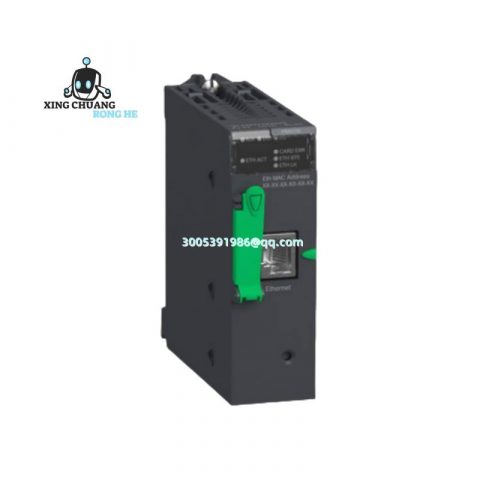
Schneider XB2-EA142 Control Relay Module: Your Workhorse for Industrial Switching
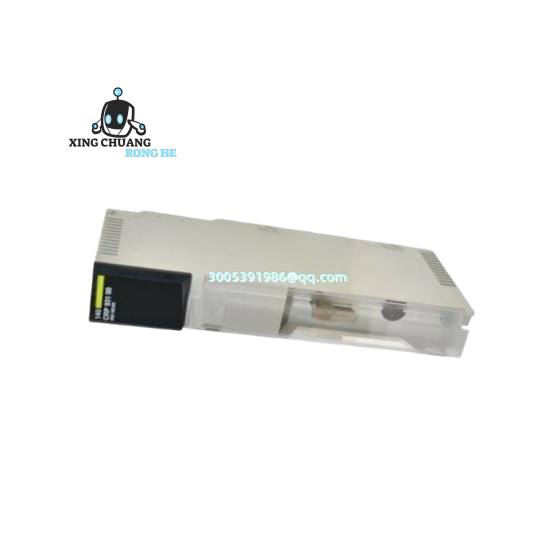
Honestly, if you’re running motors, pumps, or valves in a factory setting, this little Schneider relay is the kind of component you’ll forget about—until you realize it’s been quietly switching circuits for years without a hiccup. It’s the no-nonsense workhorse for basic control tasks where you need something that just works, day in and day out. We’ve seen these pop up everywhere from conveyor systems to HVAC controls, and frankly, they rarely get replaced unless the whole panel gets upgraded.
| Brand | Schneider Electric |
| Model | XB2-EA142 |
| Contact Configuration | SPDT (1 Form C) |
| Rated Load | 10A @ 250V AC / 10A @ 30V DC |
| Coil Voltage | 24V DC |
| Dimensions (W×H×D) | 45 × 70 × 50 mm |
| Weight | ≈105g |
| Electrical Life | 10 million operations (resistive load) |
| Protection Rating | IP20 (terminal cover) |
Where You’ll Actually Use This Thing
Don’t overthink it—this relay shines in straightforward applications like controlling small motors on packaging lines, switching solenoid valves in fluid systems, or managing basic lighting circuits in control panels. A plant manager in Ohio once told us, “We’ve got these on our bottle-filling line since 2018, and the only time they come out is during panel cleanings.” If you’re working with Schneider’s own TeSys or Zelio PLCs, compatibility’s a breeze. But honestly? They slot right into setups with Allen Bradley MicroLogix or even older Siemens S7-200 systems without breaking a sweat. We move dozens monthly for folks needing replacements in Foxboro FBM203-based panels or GE Fanuc RX3i retrofits.
Why It Outlasts the Competition (Without the Fluff)
The SPDT contacts aren’t just a spec sheet entry—they let you switch between two circuits (like a backup pump) without adding extra hardware. That 10 million operation rating? We’ve stress-tested these alongside cheaper relays; Schneider’s silver-alloy contacts handle arcing way better during frequent switching. Temperature range is solid too (-25°C to +70°C)—saw one survive a winter in a Canadian warehouse where rival units froze up. Personally, I found the real win is how they play nice with noisy industrial power. That 24V DC coil won’t chatter during voltage dips that make other relays drop out, which matters when you’re running compressors or CNC spindles. Oh, and the IP20 rating? Enough to keep metal shavings out during panel maintenance, but don’t expect submersion—this isn’t a marine-grade part. Bottom line: it’s not flashy, but when your shift supervisor needs reliability before Monday’s production run, this is what they’ll ask for by name.
There are no reviews yet.