

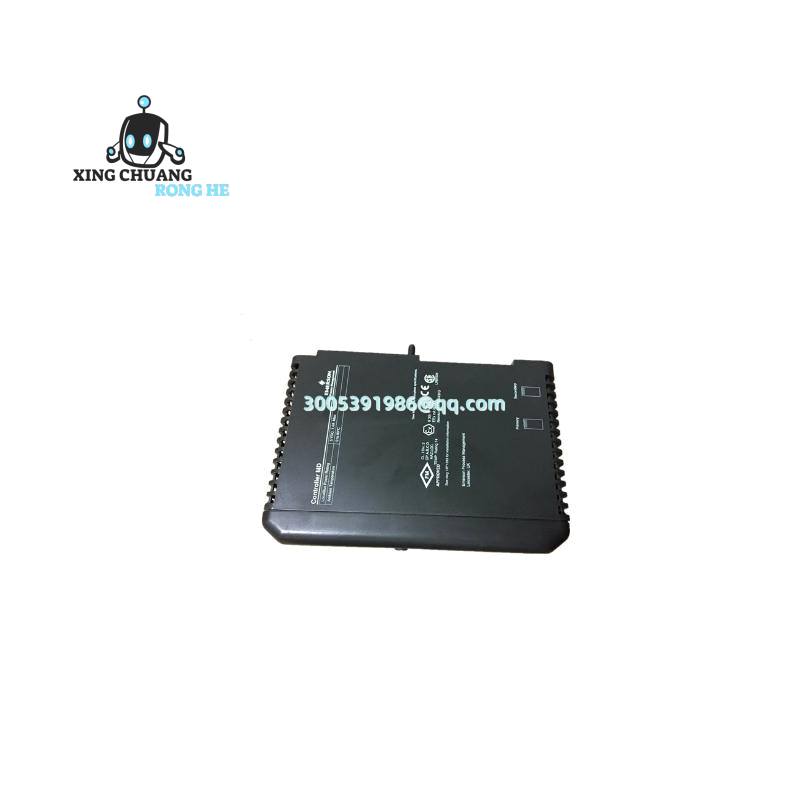
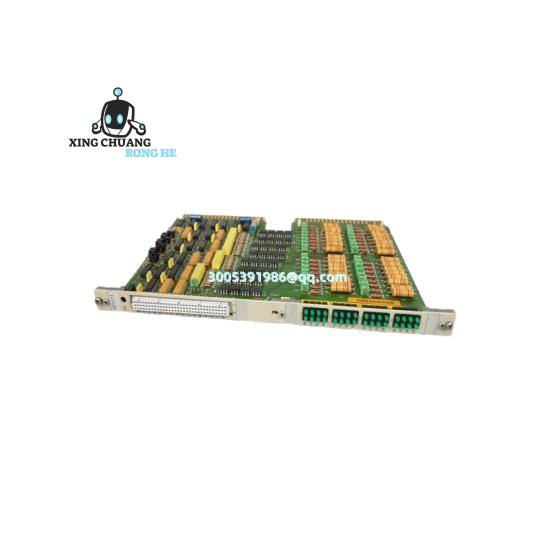
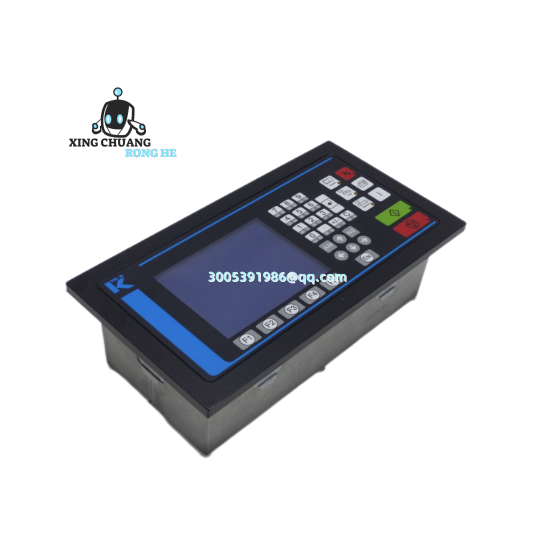
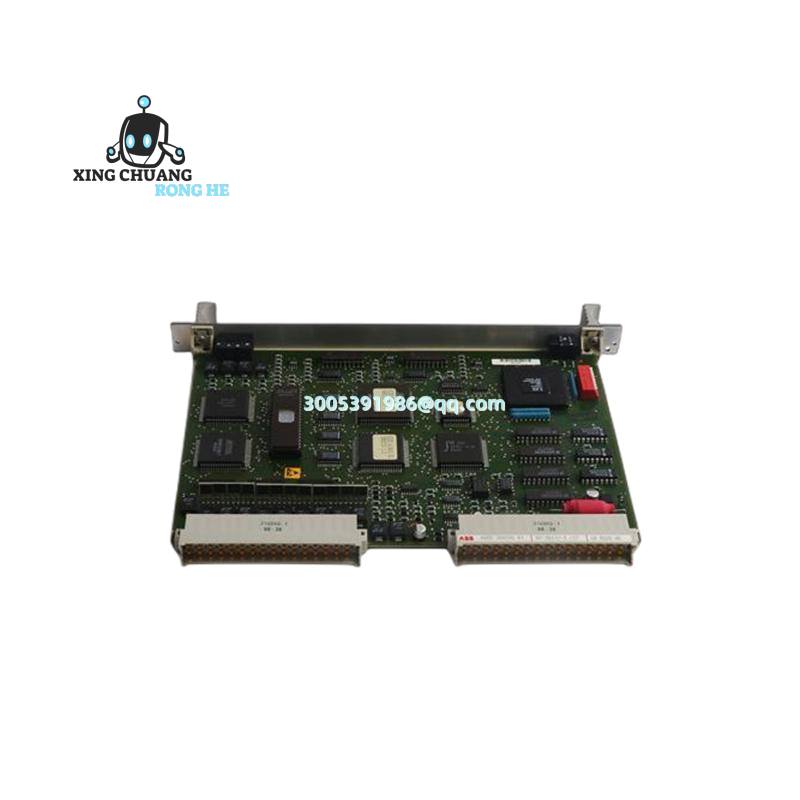
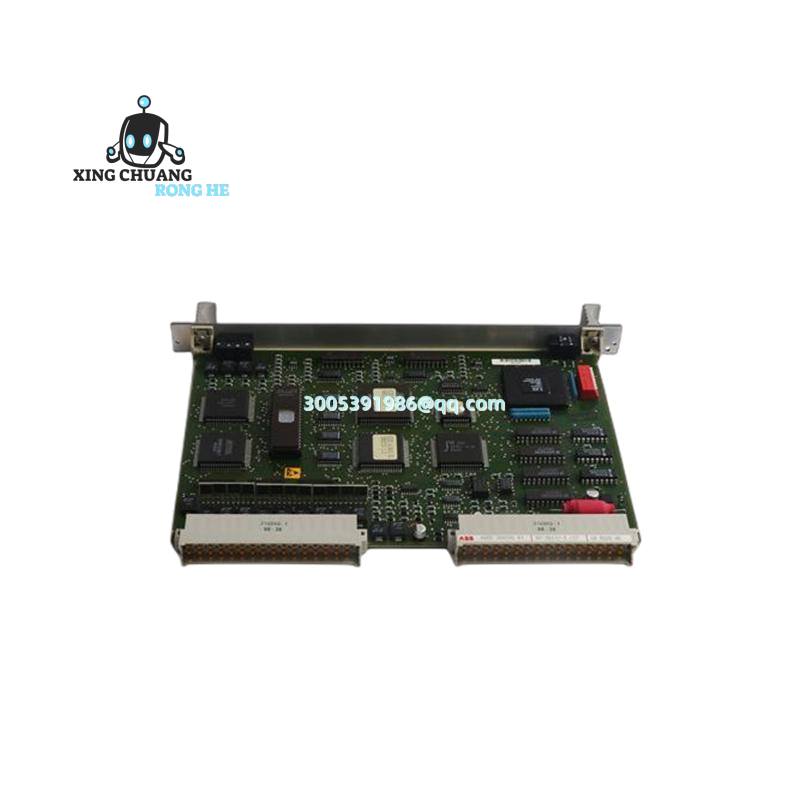
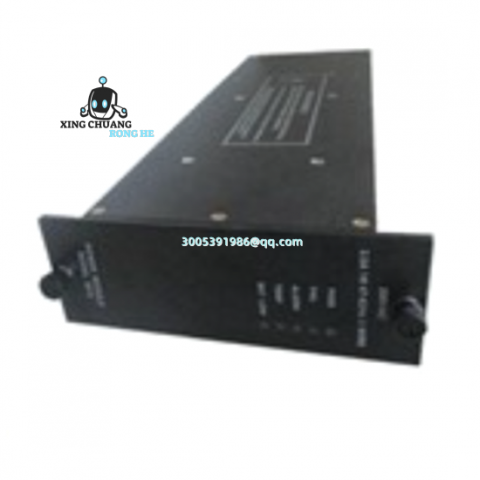
TRICONEX 3005 I/O Module: The Workhorse for Critical Process Control
If you’re running safety systems in oil refineries or power plants, this module keeps things humming when failure isn’t an option. It handles digital signals for emergency shutdowns and turbine controls—think of it as the nervous system for processes where a millisecond delay could mean big trouble. Honestly, most engineers don’t realize how much they rely on these until a backup system kicks in during a storm surge or pipeline pressure spike.
| Attribute | Specification |
|---|---|
| Brand | TRICONEX (Honeywell) |
| Model | 3005 |
| I/O Configuration | 16 digital inputs / 8 digital outputs |
| Voltage Range | 20–30 VDC (nominal 24V) |
| Environmental Tolerance | -40°C to +85°C operating / -55°C storage |
| Physical Dimensions | 145 x 100 x 85 mm (W x H x D) |
| Weight | 0.78 kg |
| Certifications | SIL 3, ATEX Zone 2, IECEx, UL 61010-1 |
You’ll spot these in LNG terminals handling flare stack controls or offshore platforms monitoring compressor vibrations. Last month, a chemical plant in Louisiana called us after their old 3005s survived a Category 3 hurricane—saltwater soaked the cabinet, but the IP65-rated modules kept the emergency valves functioning. We commonly pair these with TRICONEX 3624 communication modules or 3511 analog input cards for full turbine control setups. Funny enough, some refineries still run 20-year-old 3005s alongside newer 4355X processors because, well, if it ain’t broke…
Why This Module Stays Relevant After Two Decades
The real magic’s in the triple-redundant architecture—each channel processes signals through three separate CPUs voting on outputs. Saw a refinery in Texas where two processors failed during a lightning strike, but the third kept the hydrocracker running. Personally, I found the diagnostic LEDs saved our bacon last winter; that amber blink pattern caught a failing power supply before it took down a whole distillation column. Compatibility’s no headache either: plugs straight into legacy TRICON racks or modern Honeywell Experion systems. Oh, and don’t underestimate the vibration resistance—tested these on offshore rigs where everything shakes like a washing machine on spin cycle. They just keep ticking while cheaper modules throw false alarms.
There are no reviews yet.