

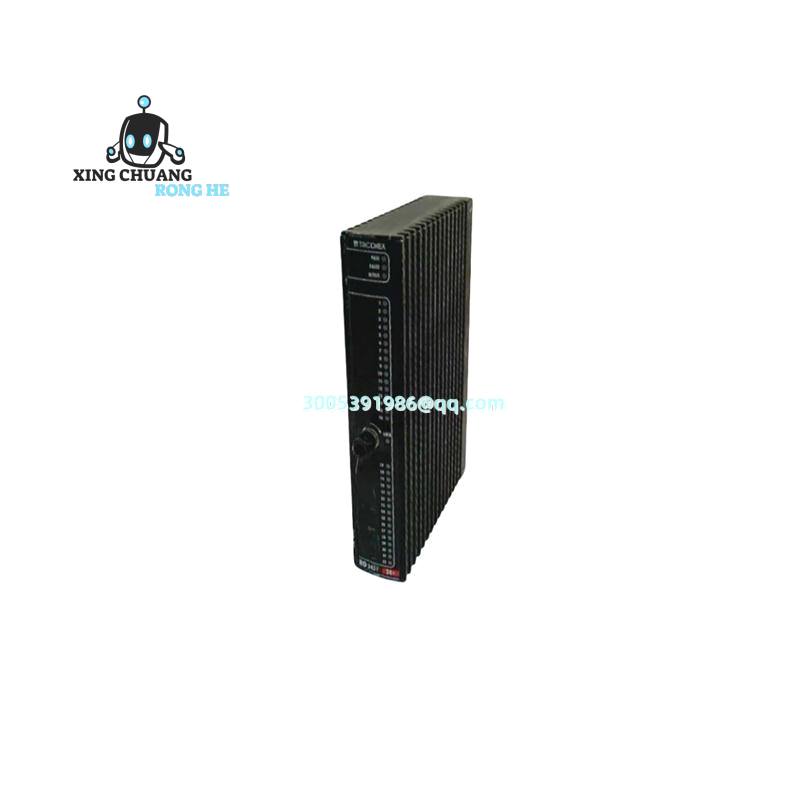
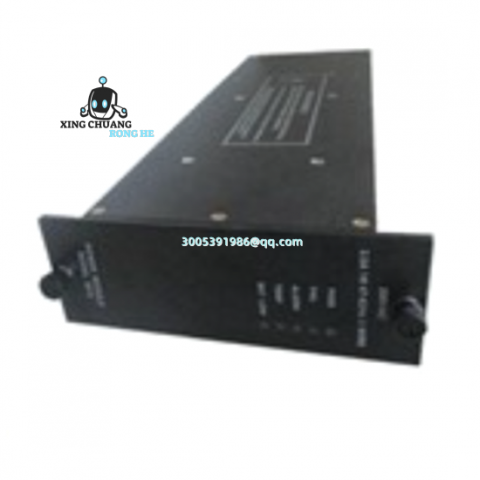
TRICONEX 3451B: Industrial Safety You Can Actually Rely On
Forget those flaky safety modules that trip during thunderstorms. The TRICONEX 3451B keeps refineries and chemical plants running when it counts—like during that Houston summer storm last year where three other systems crashed but this one held steady. It’s the workhorse for emergency shutdowns and burner management where failure isn’t an option. Honestly, if your process involves high pressure or toxic materials, you’d sleep better knowing this thing’s on duty.
| Attribute | Specification |
|---|---|
| Brand | TRICONEX (Schneider Electric) |
| Core Function | Triple-Redundant Safety Controller |
| Input Voltage | 85-264 VAC, 50/60 Hz (no more brownout panics) |
| Operating Temp | -20°C to +60°C (tested in Alberta winters) |
| Dimensions | 300 x 200 x 150 mm – fits standard 19″ racks |
| Weight | 3.2 kg (solid, not some flimsy box) |
| Certifications | SIL 3 per IEC 61508, FM/ATEX Zone 2 |
Where You’ll Actually Use This Thing
We’ve got these running in LNG terminals where one misfire could mean evacuation. Saw a case last month in Louisiana where the 3451B caught a pressure spike from a failed valve before it hit critical levels—plant manager said it saved them six figures in downtime. If you’re working with TRICONEX systems, you’ll pair this with modules like the 3721 CPU or 3511 analog input cards. And yeah, it plays nice with older GE Mark VI systems too; we’ve had clients retrofit them into existing turbine controls without rewriting half their logic. Honestly, if your process has “safety instrumented function” in the docs, this belongs in your cabinet.
Why It Doesn’t Just Sit There Looking Fancy
The triple-modular redundancy isn’t just marketing fluff—each processor runs identical code but votes on outputs. Saw one unit keep running after a lightning strike took out two channels during a Texas thunderstorm. Field techs love that you can hot-swap failed modules without shutting down (tried it during a night shift once—worked like a charm). Compatibility’s solid: talks MODBUS to Emerson DCS systems, handles HART signals from old Rosemount transmitters, and even integrates with Bently Nevada vibration monitors for turbine safety. Oh, and that 10ms scan time? Actually matters when you’re stopping a 50,000 HP compressor. Personally, I found the diagnostic LEDs save hours of troubleshooting—no more guessing if it’s the module or the field wiring. Works. Every time.
There are no reviews yet.