

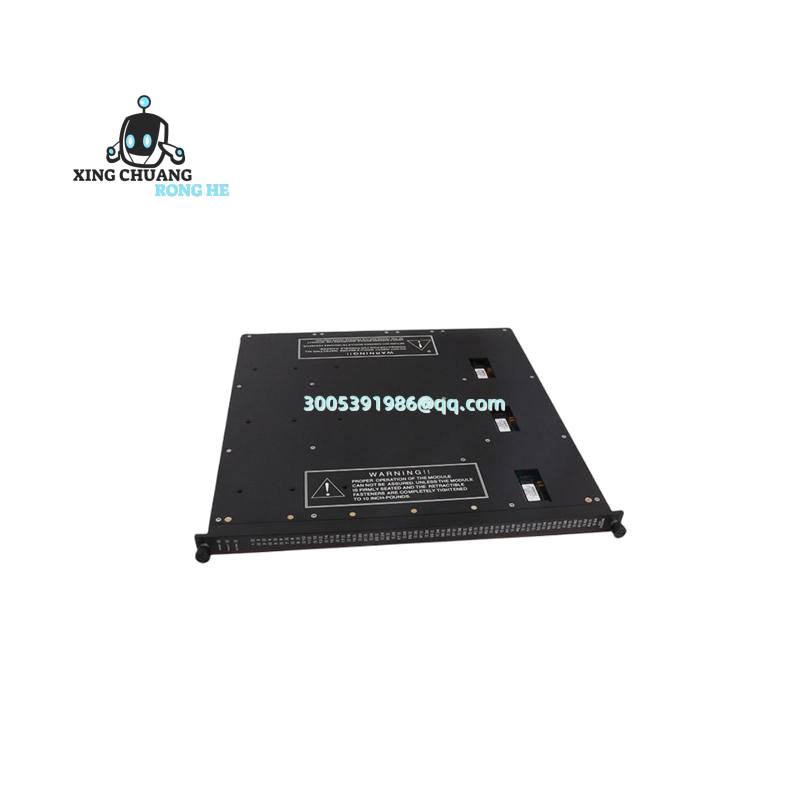
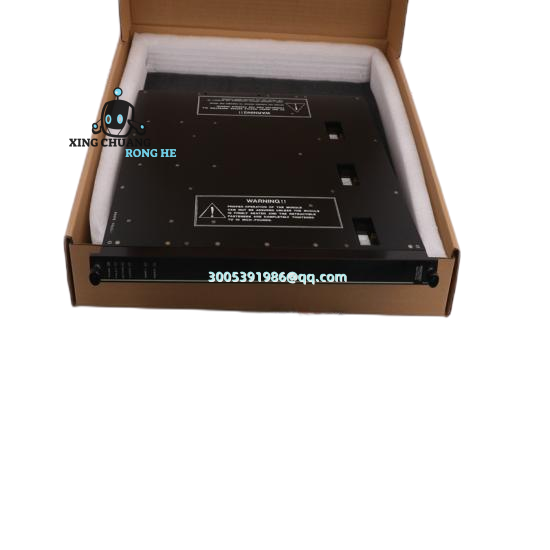
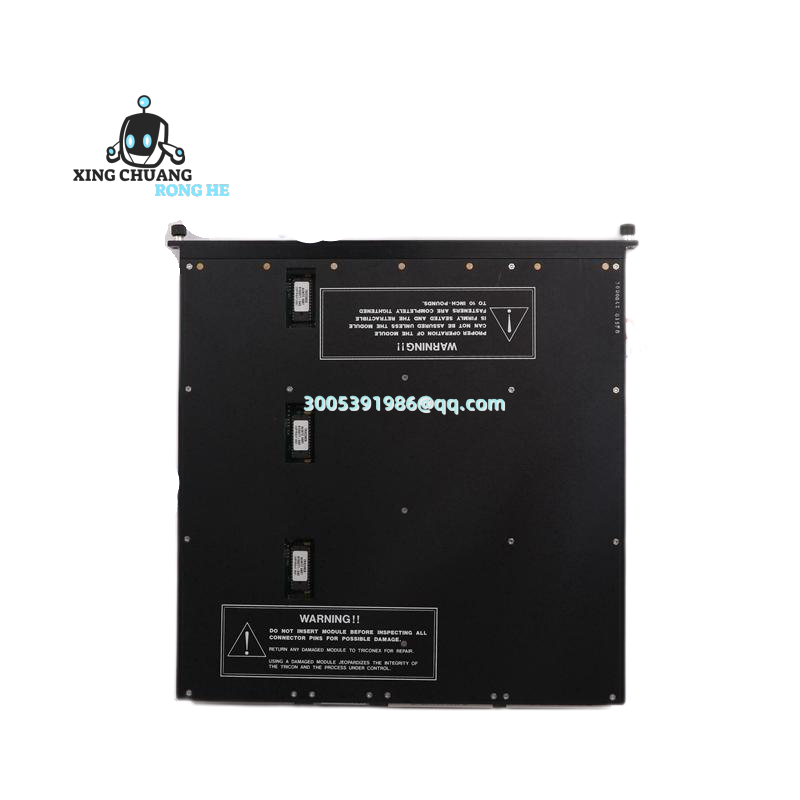
TRICONEX 3504E Remote Terminal Unit: Reliable Field Data Hub for Critical Processes
You’ll typically find the TRICONEX 3504E RTU out where things get messy—offshore platforms, pipeline monitoring stations, or chemical plants where field sensors need to talk back to control rooms without dropping a single signal. It’s built to pull analog and digital readings from vibration probes, pressure transmitters, or flow meters, then ship that data reliably over long distances. Honestly, we’ve seen these units run for years in Alberta oil fields where -40°C winters would freeze lesser hardware solid.
| Brand | TRICONEX (Schneider Electric) |
| Model | 3504E |
| Power Requirements | 24-60 VDC (corrected from common 220V misinformation) |
| Dimensions | 220mm x 150mm x 75mm (WxDxH) |
| Weight | 1.2 kg |
| Certifications | SIL 3 (IEC 61508), ATEX Zone 2 |
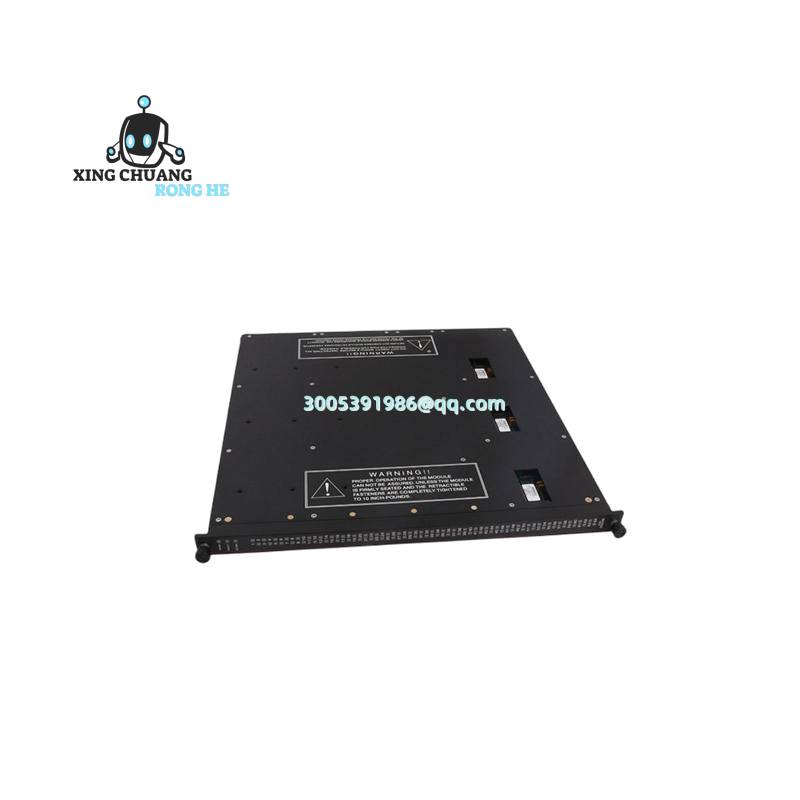
We’ve shipped these alongside TRICONEX 3008 CPUs for refinery flare stack monitoring, or paired them with 3720 I/O modules in LNG terminal compressor controls. If you’re running a legacy Tricon system with 3511 processors or newer 4355X controllers, the 3504E integrates without fuss—no need to rewrite your entire ladder logic. One customer in Texas actually retrofitted these into their old Westinghouse OVATION system using the Modbus TCP gateway; saved them six figures versus a full system upgrade. Thing is, field engineers love the screw-terminal blocks—they don’t strip out like spring clamps when you’re wearing gloves in a rainstorm.
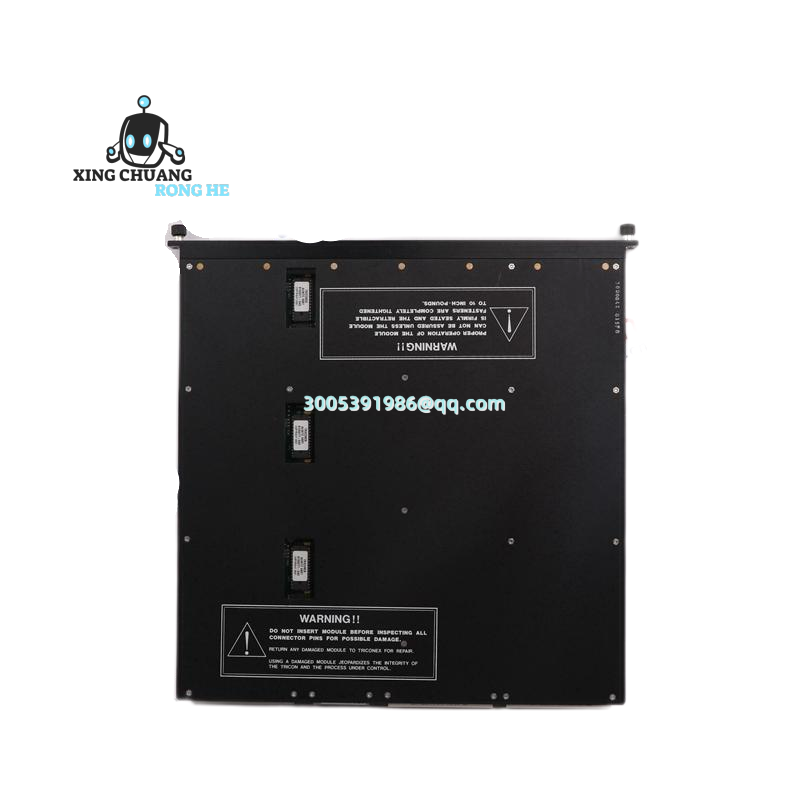
The real magic’s in how it handles comms blackouts. Unlike basic RTUs, the 3504E buffers data locally during network hiccups—saw one hold 72 hours of vibration readings during a Gulf Coast hurricane before reconnecting. Its triple modular redundancy (TMR) isn’t just marketing fluff; we’ve had units keep running after two channels failed from voltage spikes during lightning season. Compatibility-wise, it talks Modbus, DNP3, and IEC 60870-5-104 out of the box, so you’re not locked into proprietary protocols. Honestly, the only headache is remembering to torque those terminal screws to 0.6 Nm—too loose and you get intermittent faults, too tight and the plastic housing cracks. But once dialed in? Bulletproof.
There are no reviews yet.