

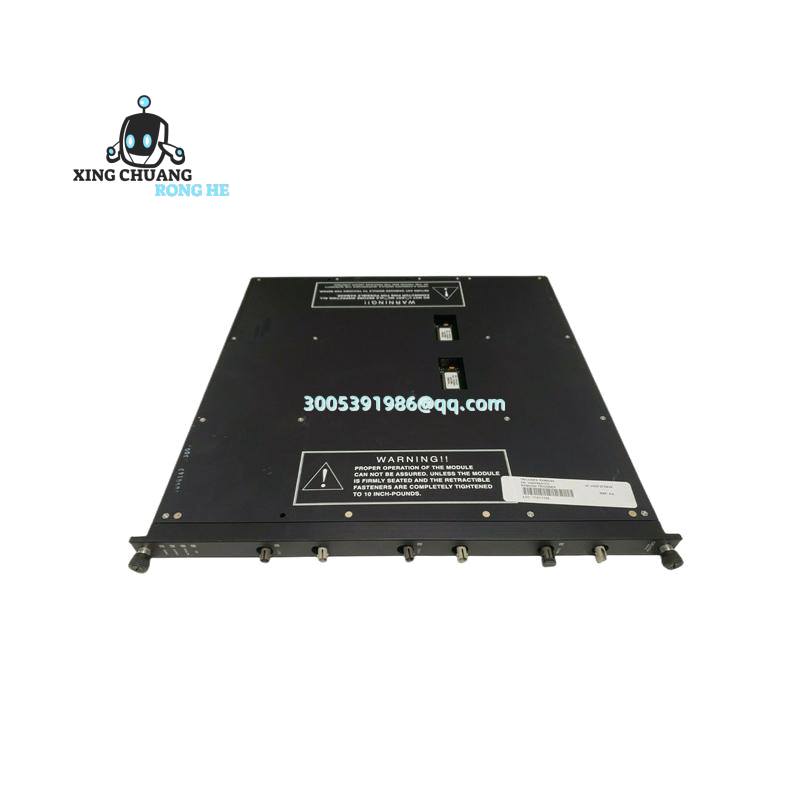
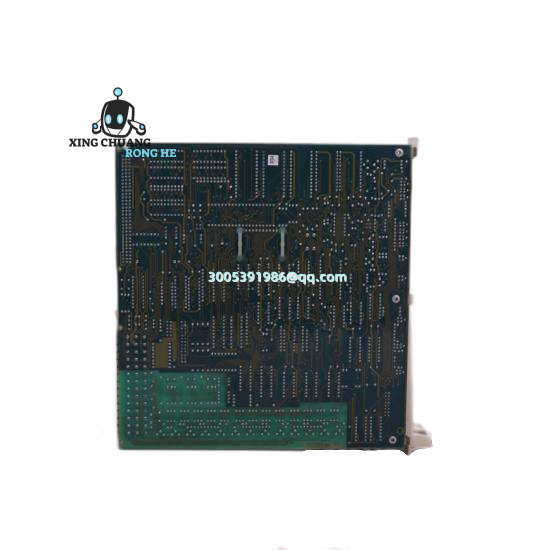
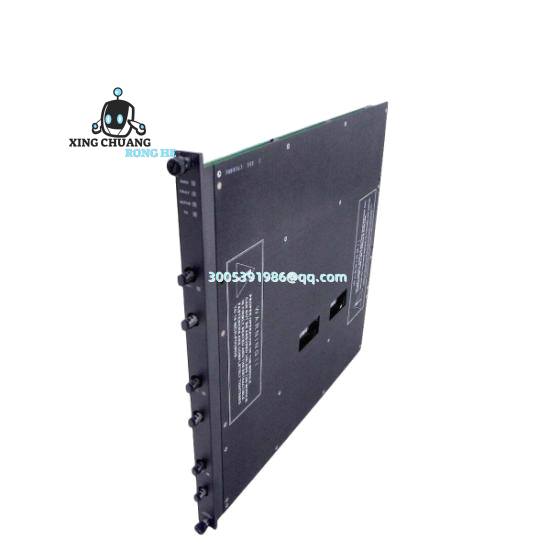
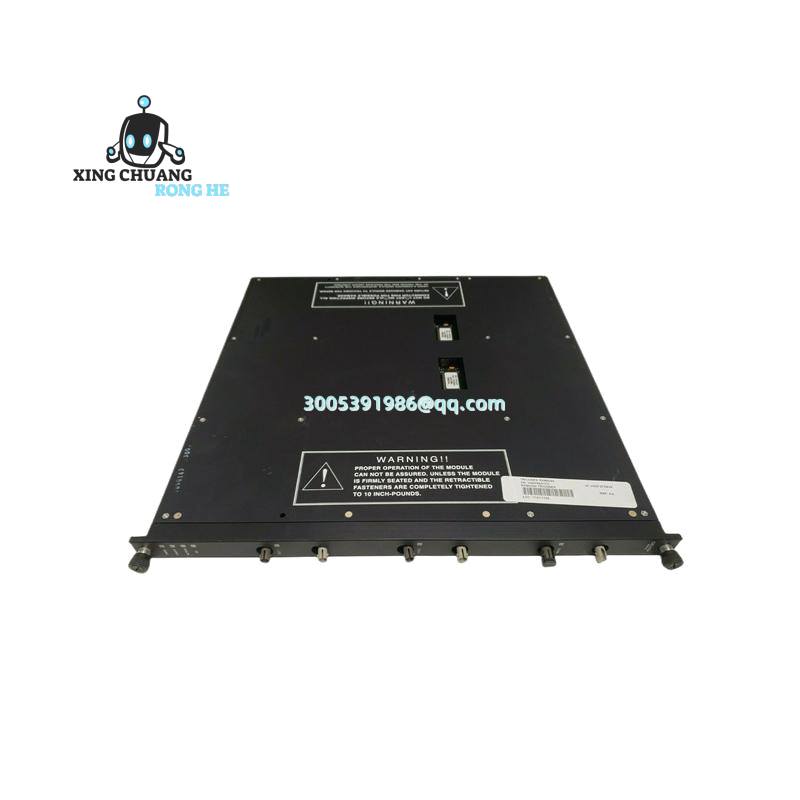
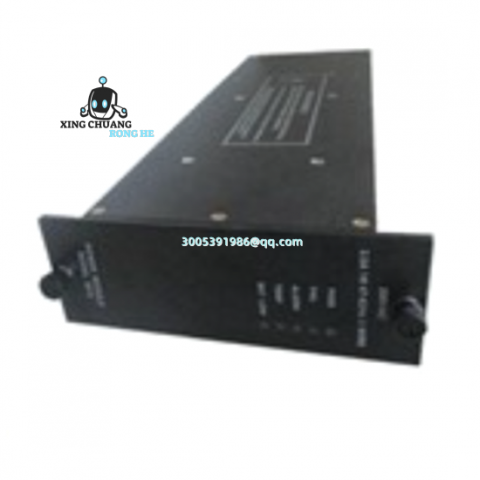
TRICONEX 4200 High-Performance Redundant Controller for Critical Safety Systems
When your refinery’s flare stack control or turbine trip system can’t afford a single point of failure, the TRICONEX 4200 becomes your last line of defense. We’ve seen this module keep chemical plants running through lightning strikes and control room blackouts – its triple-redundant brain handles emergency shutdowns while competitors’ systems blink out. Honestly, if your process could kill someone during a fault, you shouldn’t be looking at anything less than TMR architecture.
| Attribute | Specification |
| Manufacturer | Schneider Electric (TRICONEX) |
| Certification | SIL 3 (IEC 61508), FM/CSA Class I Div 2 |
| Cycle Time | 50 ms typical (with 100 I/O points) |
| Power Requirements | 24 VDC ±15%, 5A max per rack |
| Physical Dimensions | 290mm H × 483mm W × 350mm D (standard 19″ rack) |
| Weight | 12.7 kg (fully loaded) |
Where You’ll Actually Use This Beast
Last month a client in Alberta had their Woodward 5466 governor controller fail during a turbine startup – the TRICONEX 4200 caught it through its voting logic and initiated safe ramp-down before overspeed could happen. That’s the reality: this isn’t theoretical safety. We regularly pair these with Foxboro FBM237 analog input cards for burner management, or slot them alongside GE Mark VIe spares when upgrading legacy power plants. If you’re running 3500/44 vibration monitors on critical compressors or need SIL 3 for your Bently Nevada 3300 rack, the 4200 becomes your central nervous system. Common companions include the 3008 CPU modules for distributed control and 3721 communication interfaces when tying into Emerson DeltaV.
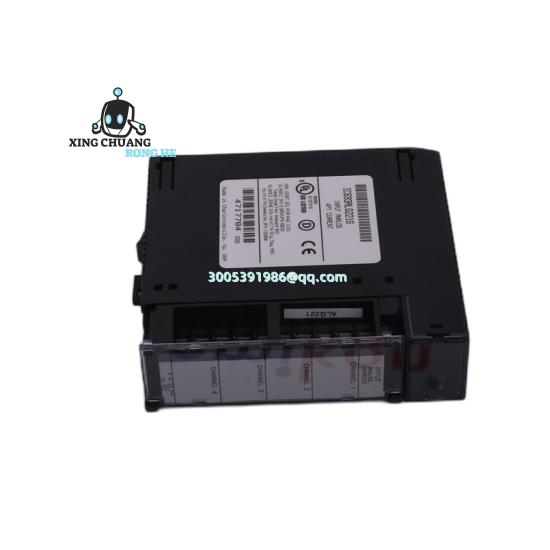
Why It Survives Where Others Fail
The real magic happens in those three independent processor modules constantly checking each other’s work – not just voting on outputs, but comparing every instruction cycle. Personally, I’ve seen plants run for years with one CPU showing “degraded” status because the other two compensated seamlessly. What surprises most engineers is how it handles partial failures: if a communication card dies during a storm, the system reroutes through backup paths without tripping the whole rack. Compatibility’s surprisingly flexible too – we’ve connected these to old Westinghouse OVATION I/O via Modbus TCP while feeding real-time data to a modern Yokogawa DCS. The diagnostic LEDs? Actually useful for once. No more guessing whether that fault is in the field device or controller – the 4200 tells you exactly which channel’s misbehaving. Kinda wish all safety systems worked this cleanly.
There are no reviews yet.