

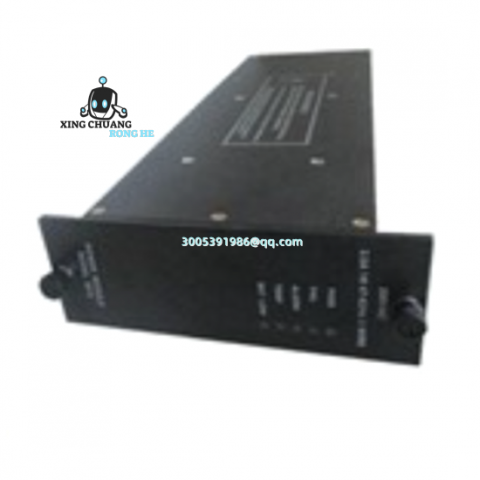
TRICONEX 7400212-100 Power Supply Module: Keeping Critical Systems Alive
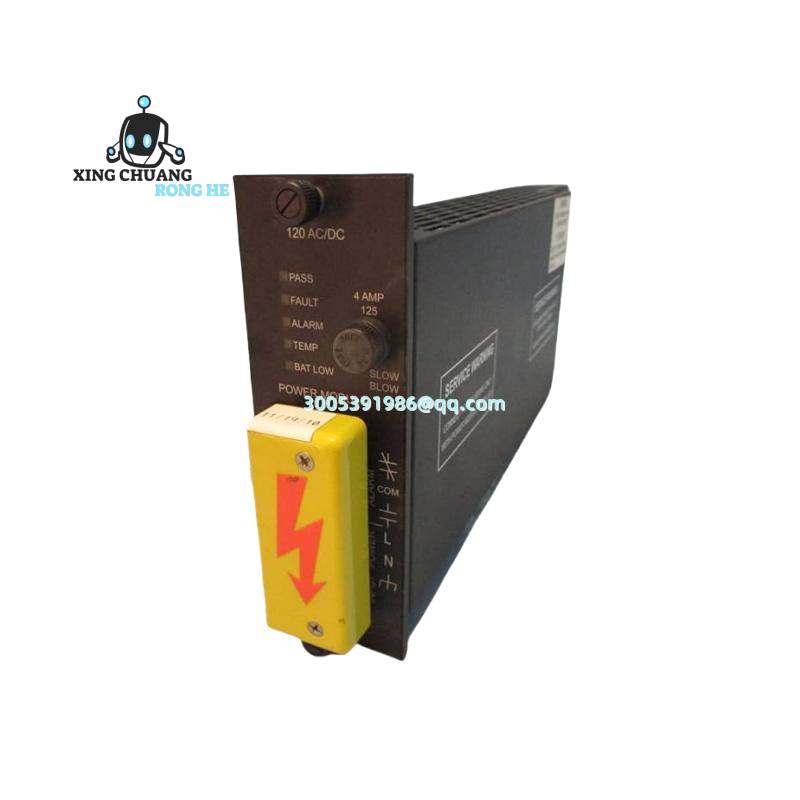
You’ll find this module humming away in the heart of safety-critical systems where power glitches mean million-dollar shutdowns. The TRICONEX 7400212-100 isn’t just another power supply—it’s the silent guardian for triple-redundant safety controllers in refineries, chemical plants, and offshore rigs. When process upsets happen (and they will), this thing keeps your emergency shutdown systems breathing while everything else goes haywire.
| Brand | TRICONEX (Schneider Electric) |
| Model | 7400212-100 |
| Input Voltage | 85-264 VAC / 100-300 VDC |
| Output Rating | 24 VDC @ 5A (120W) |
| Dimensions (W×H×D) | 110 × 160 × 125 mm |
| Weight | 1.8 kg |
| Certifications | SIL 3 (IEC 61508), ATEX Zone 2 |
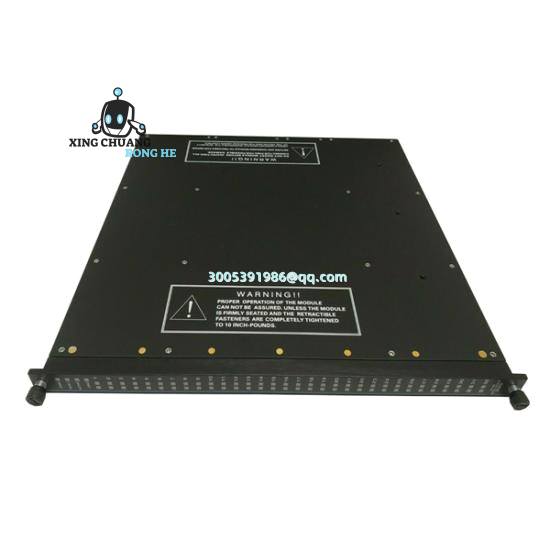
Where You’ll Actually See This Thing Working
Last month a petrochemical client in Texas called me frantic—their old power supplies were tripping during compressor surges. Swapped in these 7400212-100s alongside TRICONEX 3008 CPUs and 3721 I/O modules, and suddenly their emergency shutdown system stopped throwing tantrums during voltage dips. You’ll spot these in MAX1000 retrofits too, or paired with 3501E controllers in LNG facilities where brownouts happen. Honestly, if you’re running TRICON systems in hazardous areas, this module’s probably already in your spares inventory.
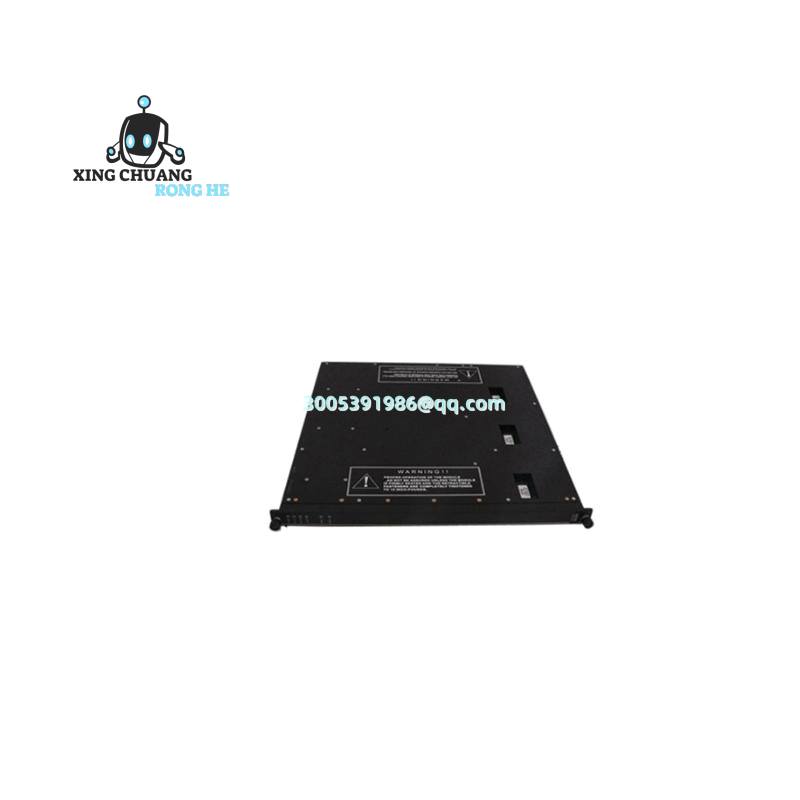
Why It Doesn’t Just Sit There Looking Pretty
Personally, I’ve seen guys overlook how the hot-swap capability saves real headaches—no need to bleed down pressure vessels just to replace a failed unit. The dual redundant power inputs? Absolute lifesaver when your facility’s main busbar decides to act up. What really matters though is how it talks to the rest of the TRICON ecosystem: feeds clean 24V to those finicky 3511 analog input cards without noise messing up vibration readings from Bently Nevada probes. And the thermal management—watch the LED indicators during summer heatwaves in Saudi plants, they’ll run cooler than cheaper knockoffs that cook themselves after six months. One refinery maintenance lead told me they’ve got these running since 2015 with zero failures. Not bad for something handling 120W in a shoebox-sized chassis.
Oh, and don’t skip the built-in diagnostics—when that amber “Power Fault” LED glows, it’s usually the upstream breaker acting up, not the module itself. Saved a client two days of downtime last quarter by spotting that quick.
There are no reviews yet.